
Last updated September 21, 2026
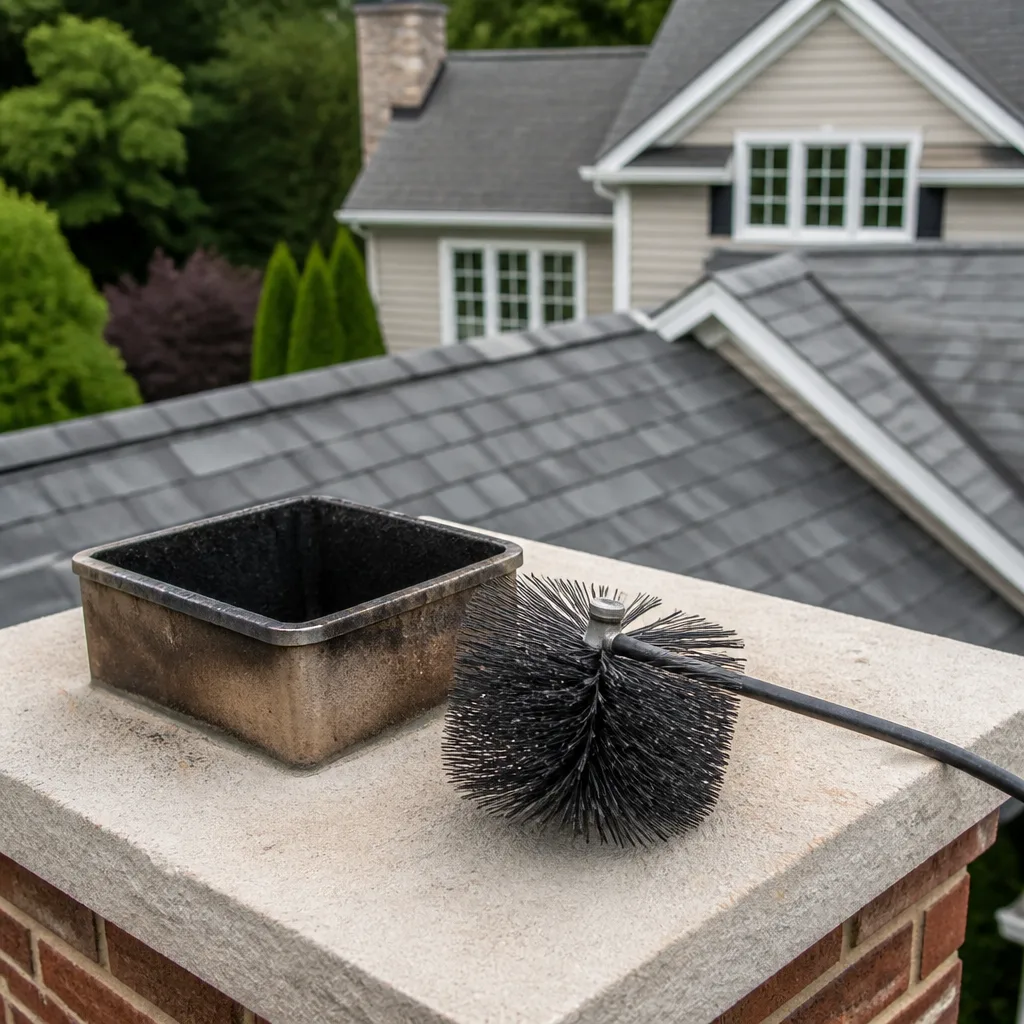
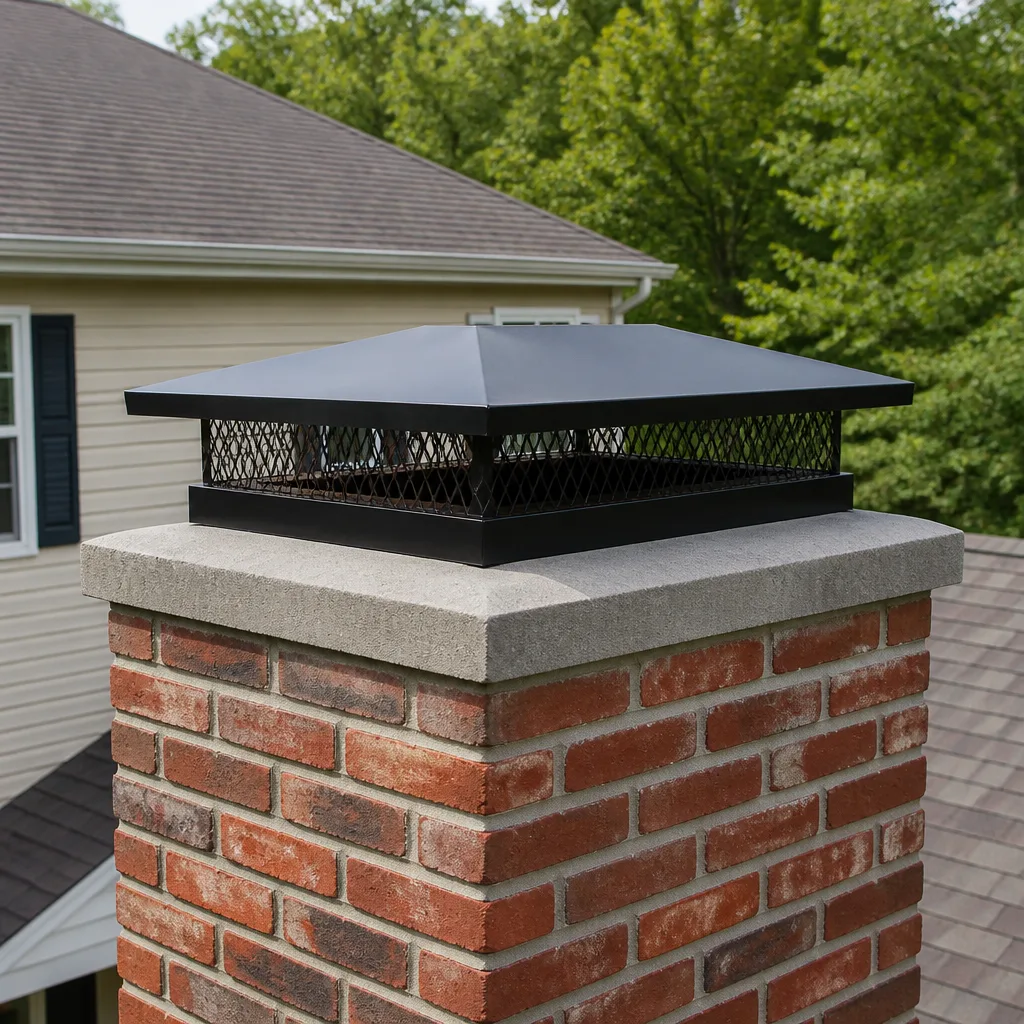
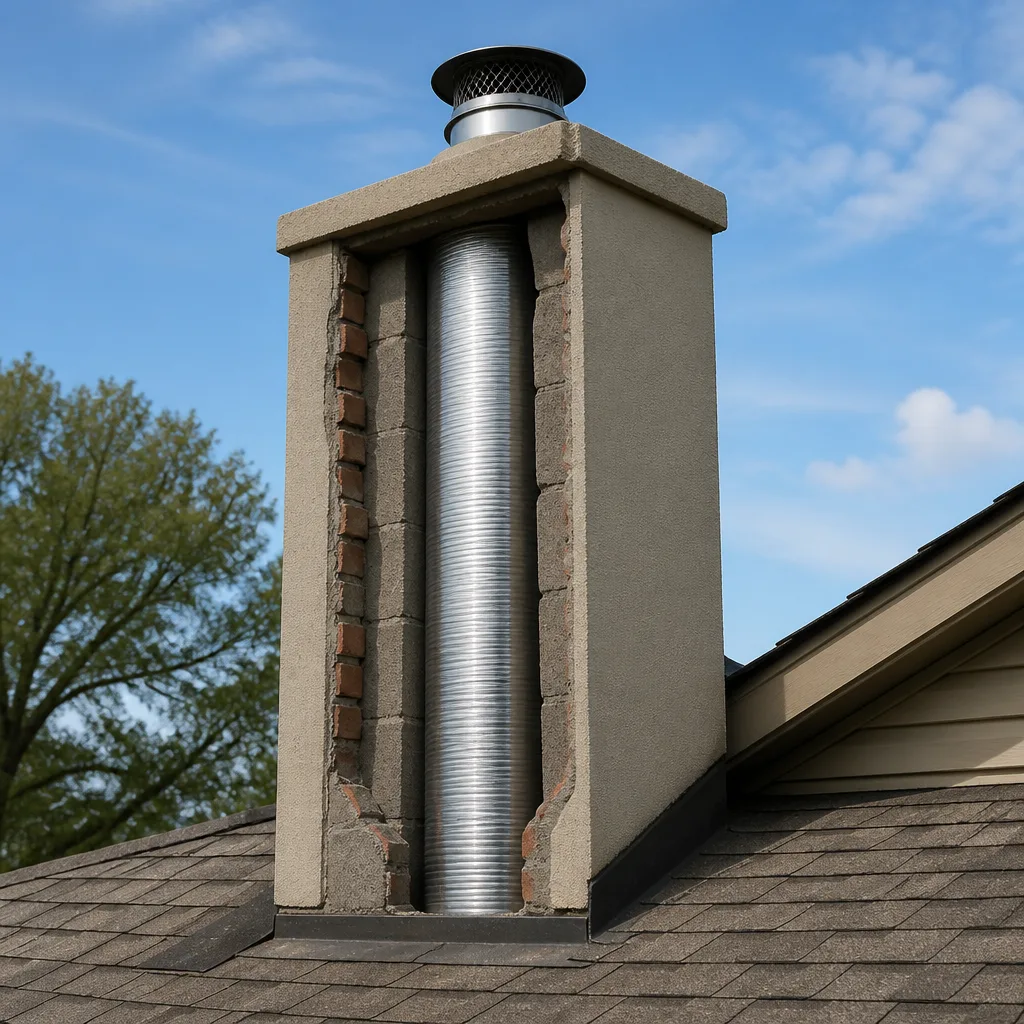
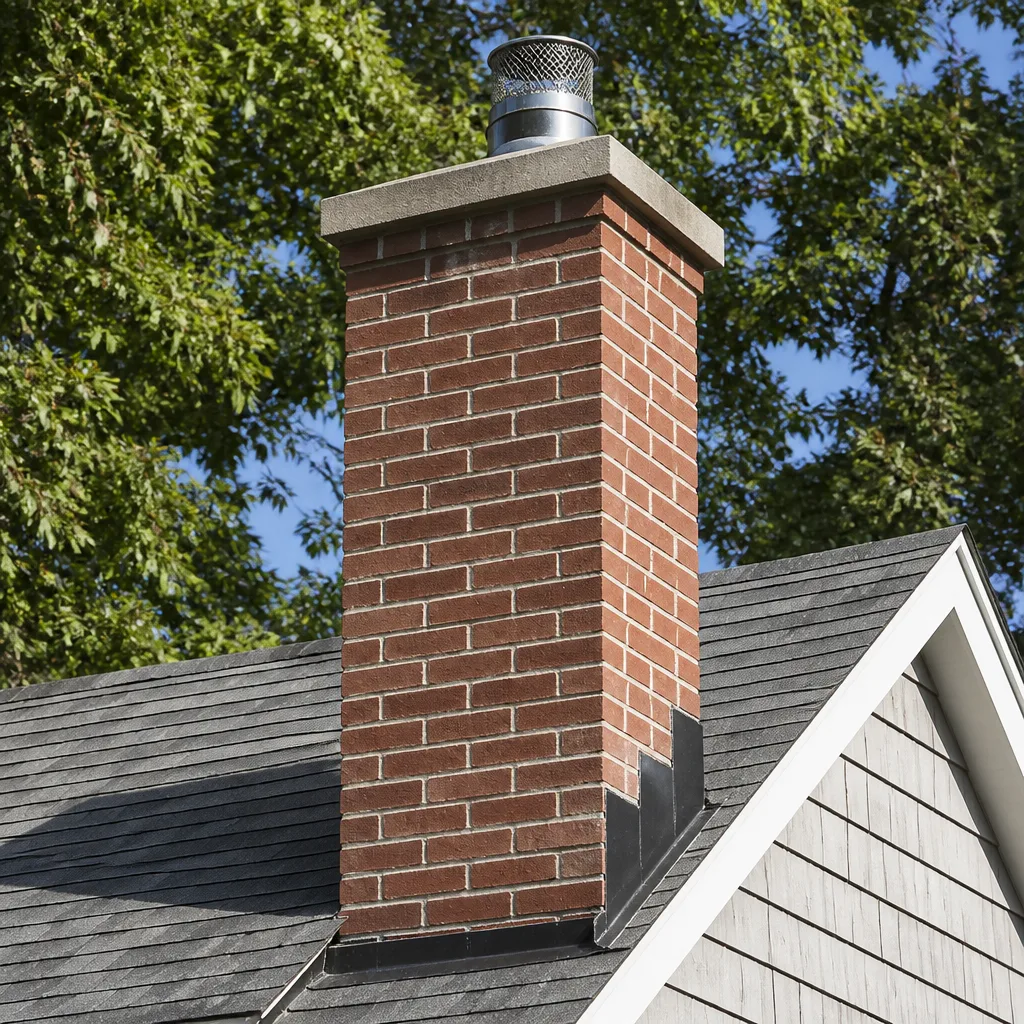
Level 1 sweep and inspection to the NFPA 211 annual standard - flue, crown, cap, and flashing checked and photographed
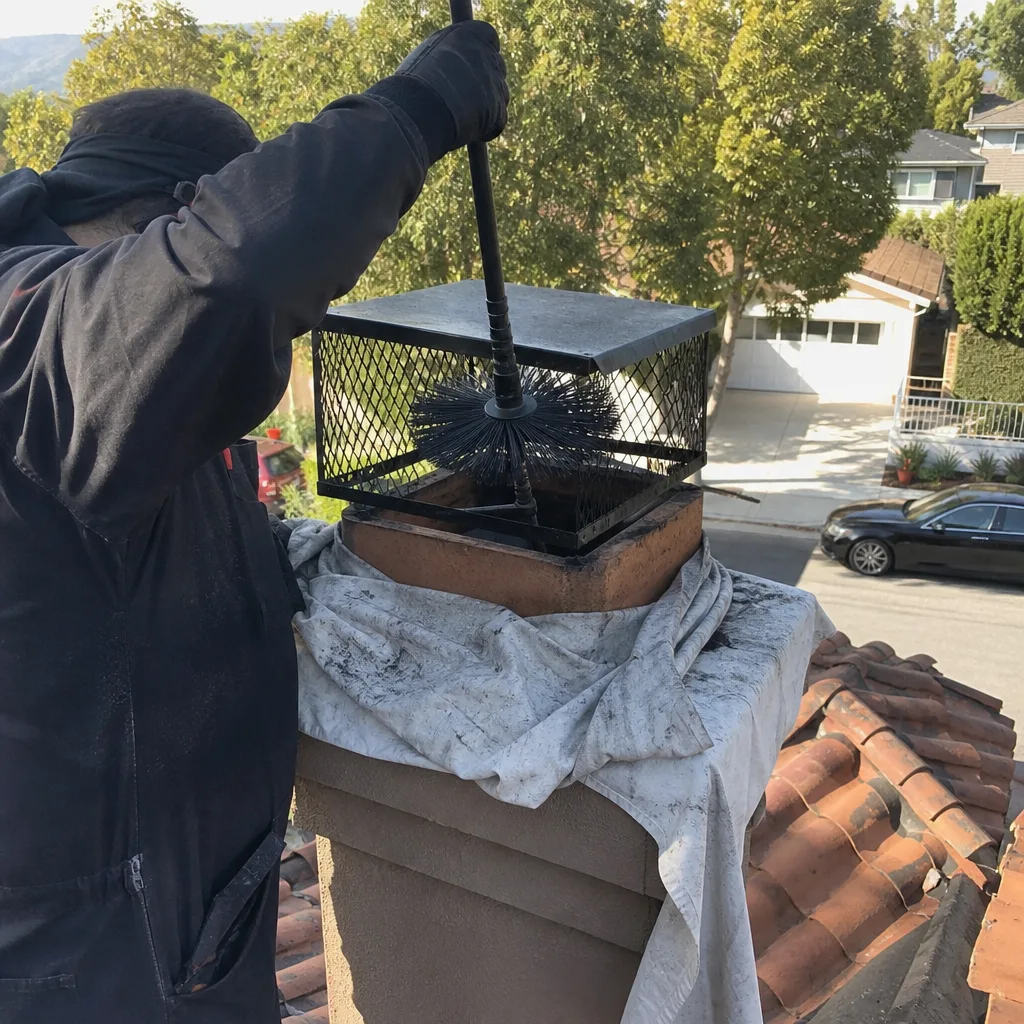
Chimney sweep logs do not sweep chimneys. They loosen some creosote - which then falls where a brush and vacuum still have to collect it.
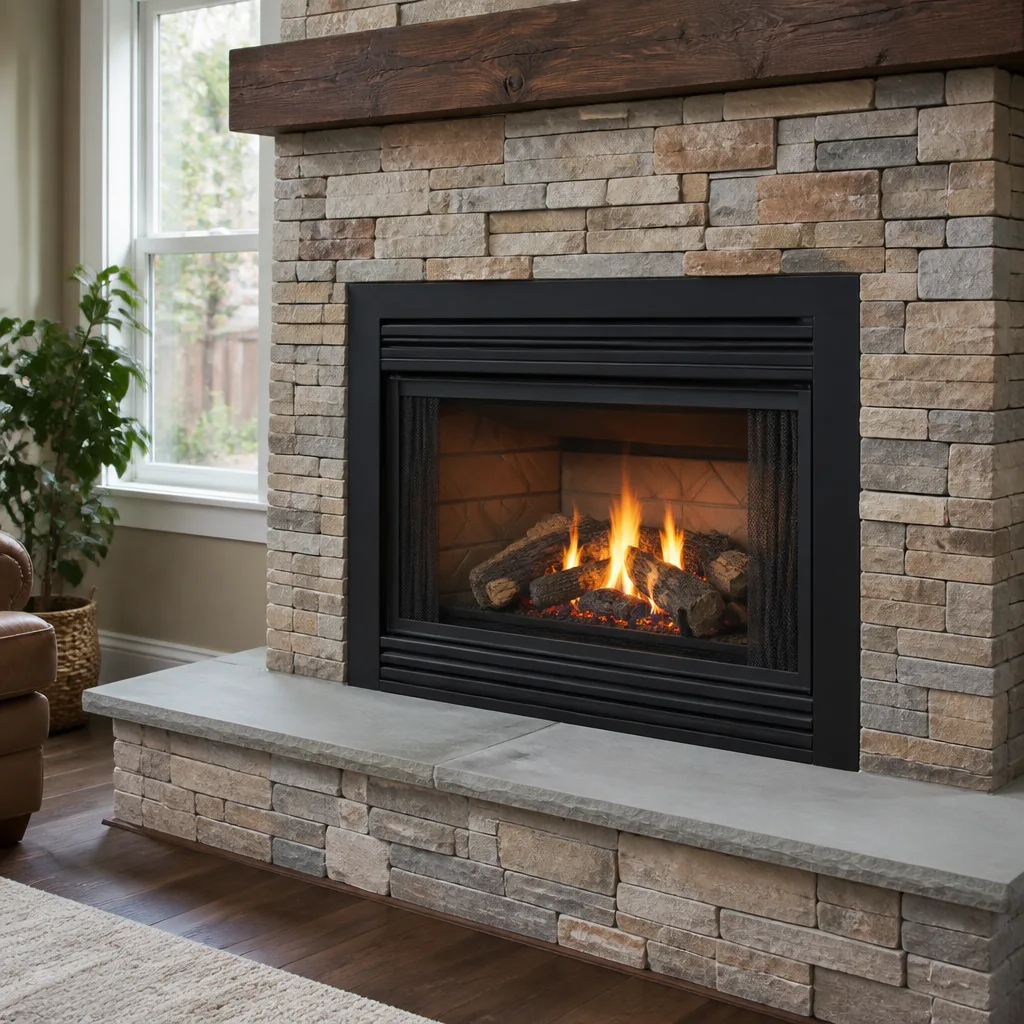
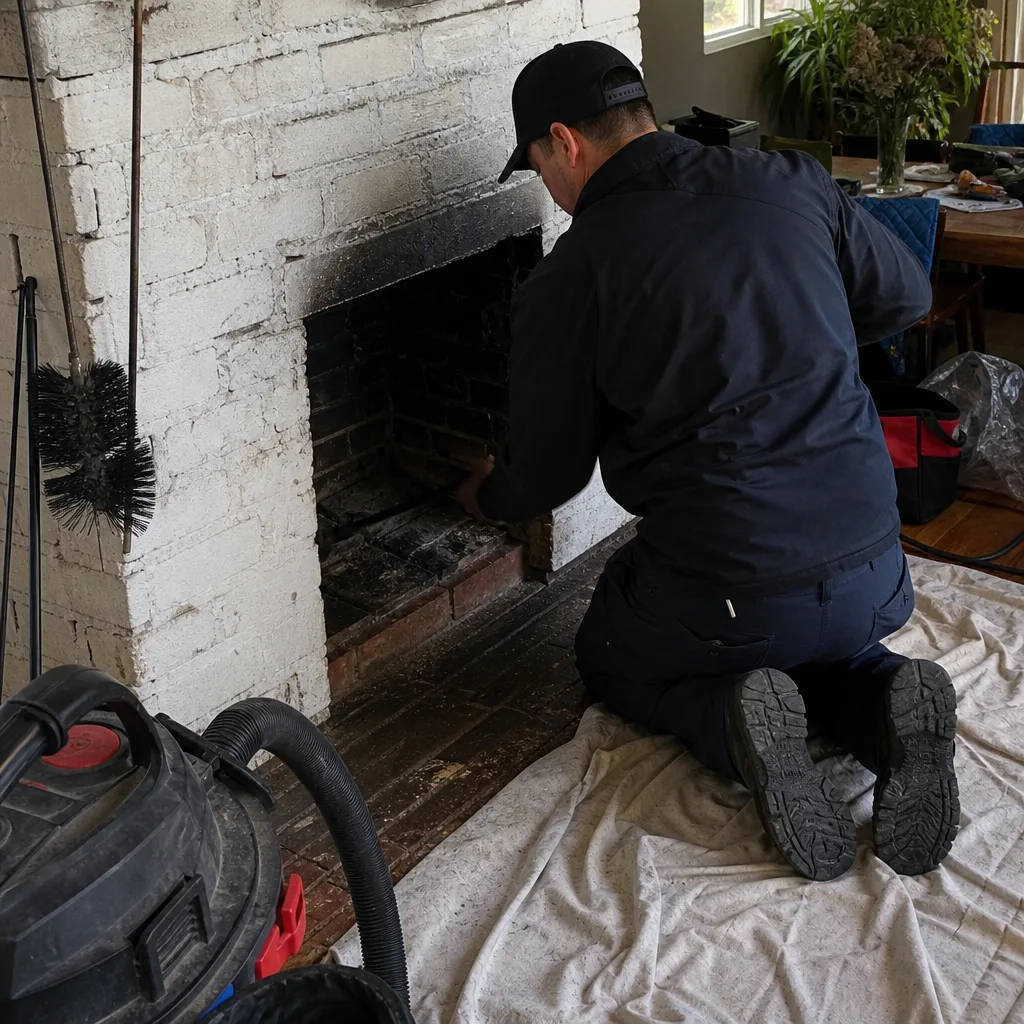 Before
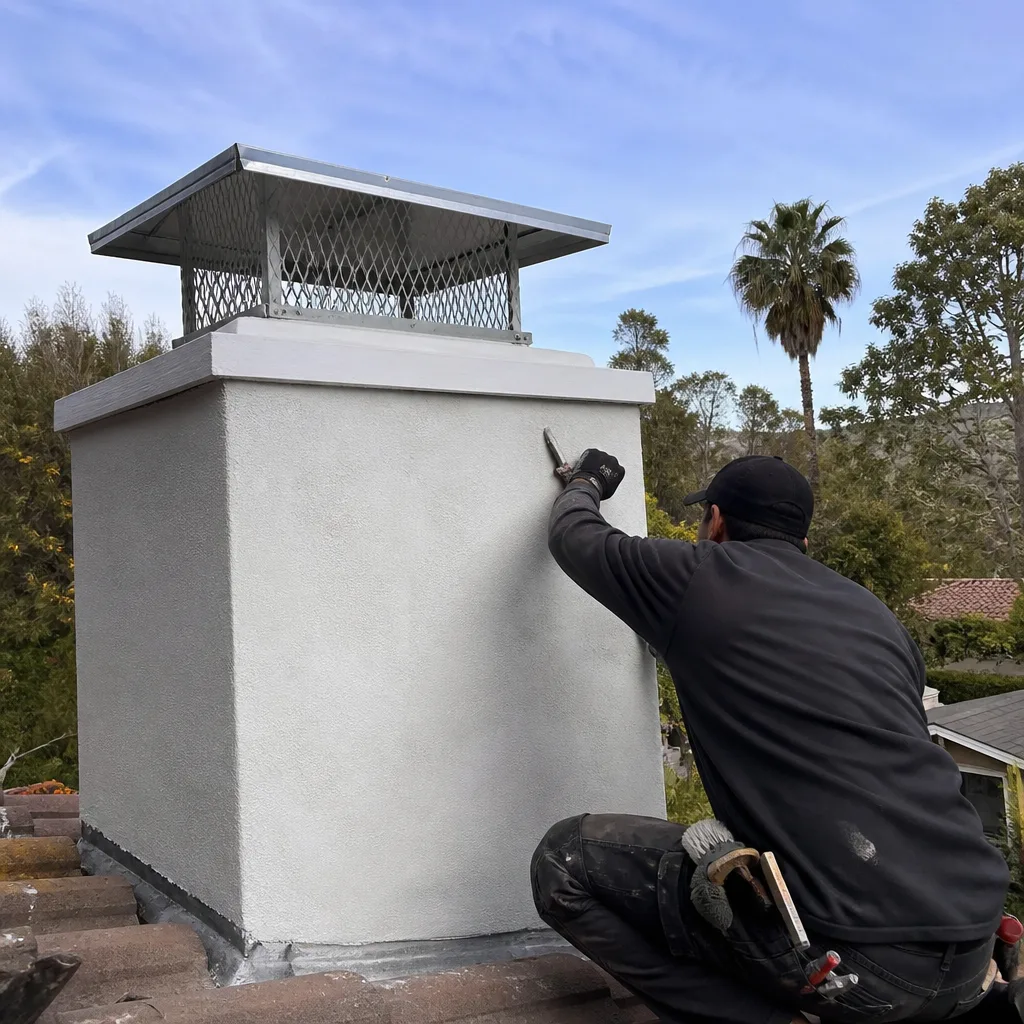 After
After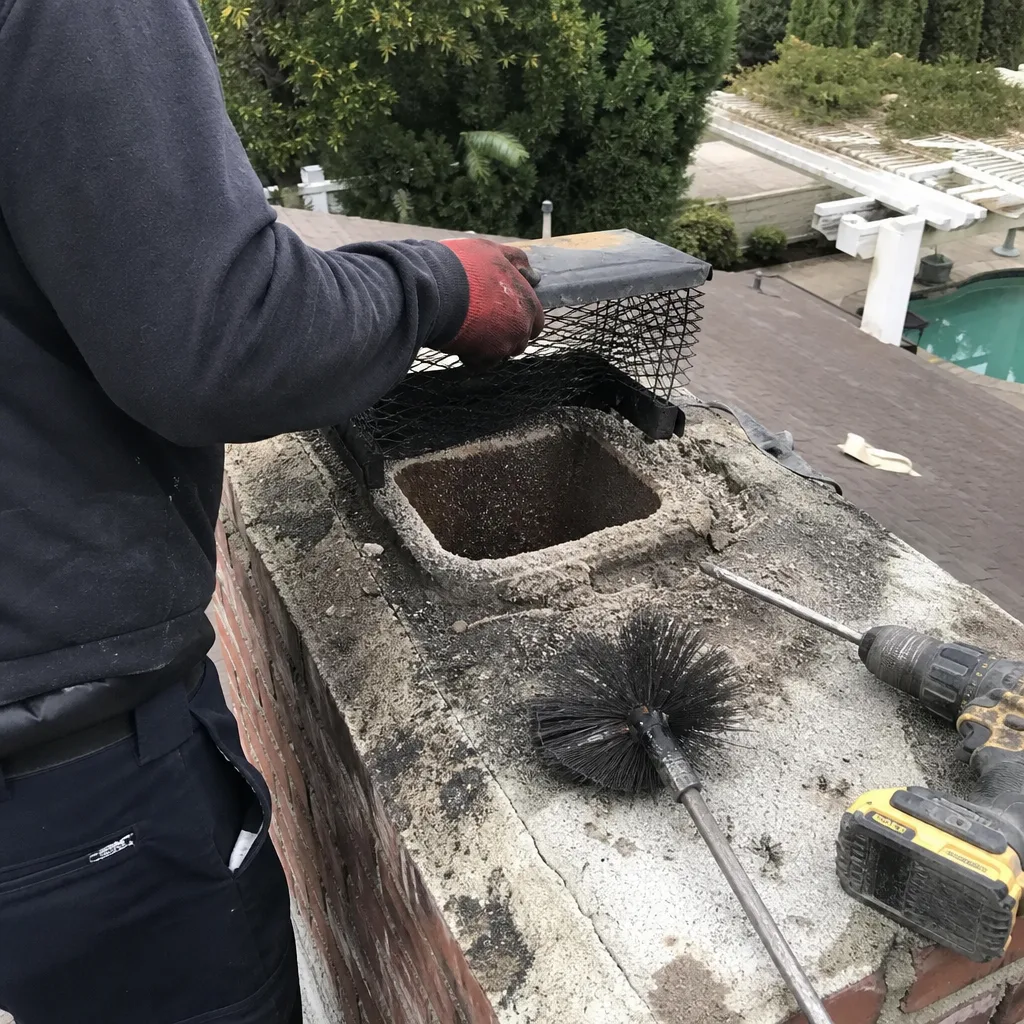 Before
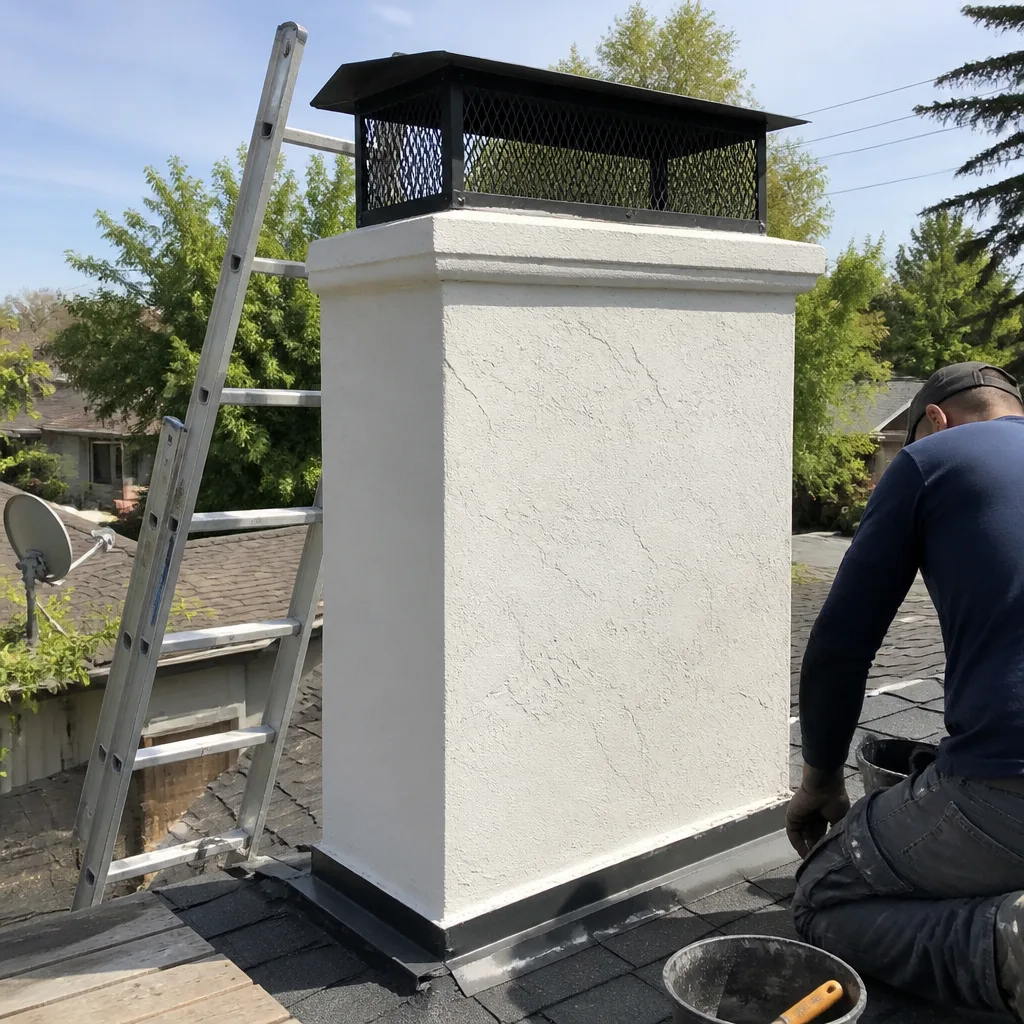 After
After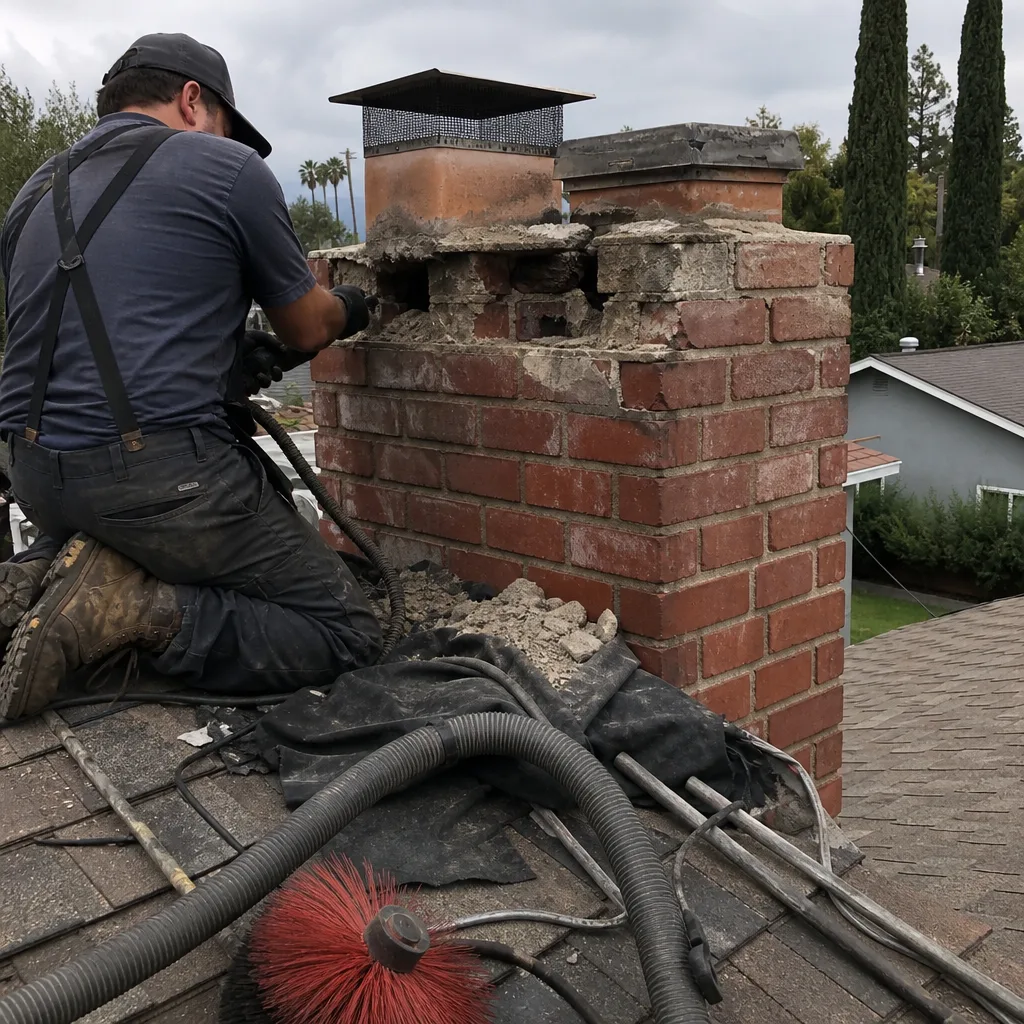 Before
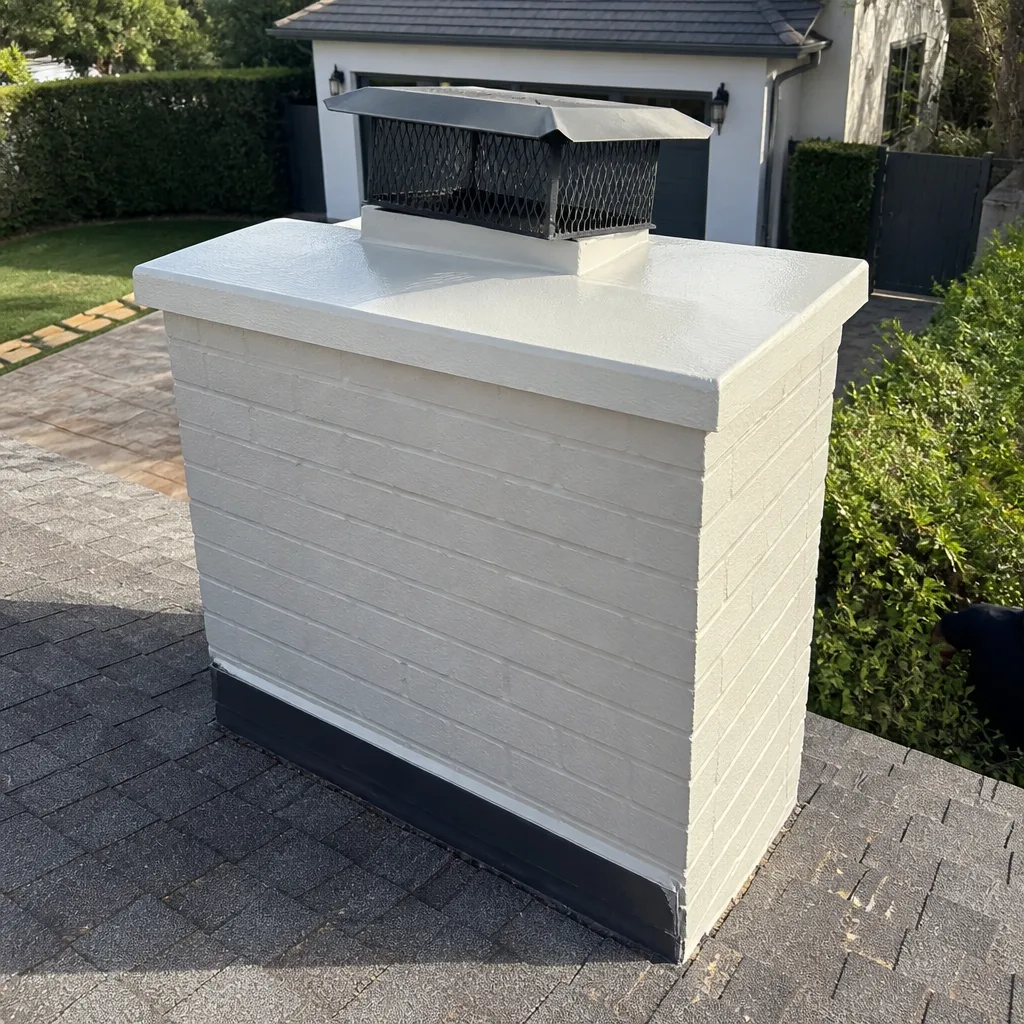 After
AfterChimney Cleaning Permits, Codes & Inspections in CA: What You Need to Know
Here’s something most Sherman Oaks homeowners discover too late: California does not require a permit to clean your chimney, but it absolutely regulates when you may legally burn in it. The gap between those two facts costs sellers their escrow, voids insurance claims, and turns “routine maintenance” into a four-figure surprise. NFPA 211, the national standard most homeowners have never read, is written directly into California’s Title 24 energy code and the Los Angeles County fire code by reference. That means a flue that fails an NFPA 211 Level 2 inspection is a compromised appliance under state law, even if you paid someone to sweep it last fall. In The Complete Guide to Chimney Cleaning in Sherman Oaks, we’ll map exactly where chimney cleaning ends and where California code-triggered obligations begin, so you’re not caught explaining to a buyer, adjuster, or fire marshal why your “clean” chimney doesn’t meet the standard your jurisdiction actually enforces.
Quick Answer
Chimney cleaning itself requires no permit in California. However, any repair, liner replacement, or structural modification to the chimney system typically does require a permit under Los Angeles County and most California municipal codes. More importantly, California’s Title 24 and local fire codes reference NFPA 211 inspection standards to determine whether a flue is legally serviceable, meaning a chimney can be spotlessly clean yet still fail code if it hasn’t passed the right inspection protocol.
Table of Contents
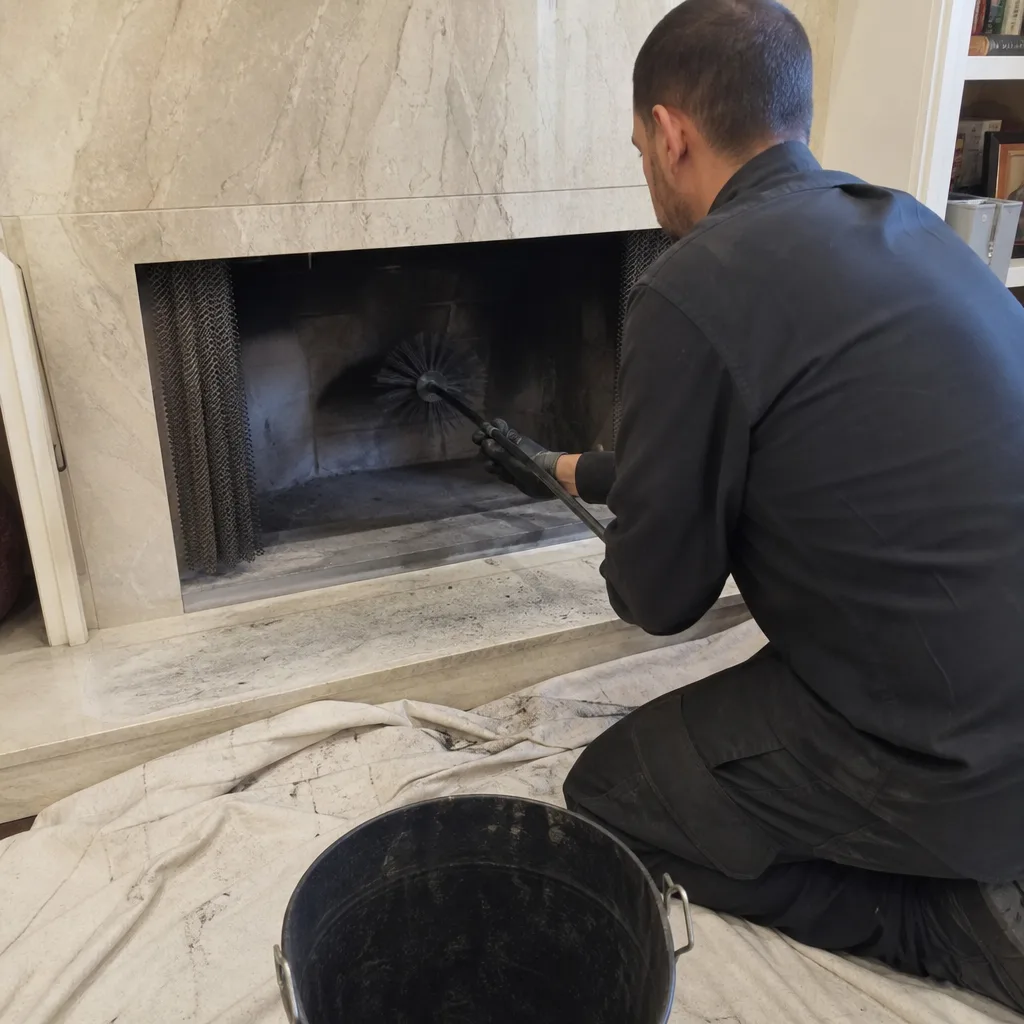
- Cleaning vs. Repair: Where the Permit Line Actually Falls
- How NFPA 211 Became California Law (Even Though It Isn’t)
- Level 1 vs. Level 2 Inspections: What California Code Actually Requires
- Real Estate Disclosure: What California Sellers Must Reveal
- South Coast AQMD Burn Rules and Your Chimney Liability
- What Triggers a Mandatory Inspection Under California Code
- Permit Requirements by Jurisdiction: LA County Specifics
- The Documentation That Satisfies Code, Insurers, and Buyers
BeforeAfterCleaning vs. Repair: Where the Permit Line Actually Falls
The distinction sounds simple until you’re standing in your driveway with a contractor who just found spalling brick and a cracked flue liner. Here’s the actual regulatory boundary in Los Angeles County and nearly every California jurisdiction we work in:
Chimney cleaning and sweeping - the mechanical removal of soot, creosote, and obstructions from a flue that is otherwise intact - does not require a building permit. This is considered maintenance, not construction. A Chimney Sweep in Sherman Oaks falls into this category when the flue liner, smoke chamber, and masonry are in serviceable condition and no components are being replaced or altered.
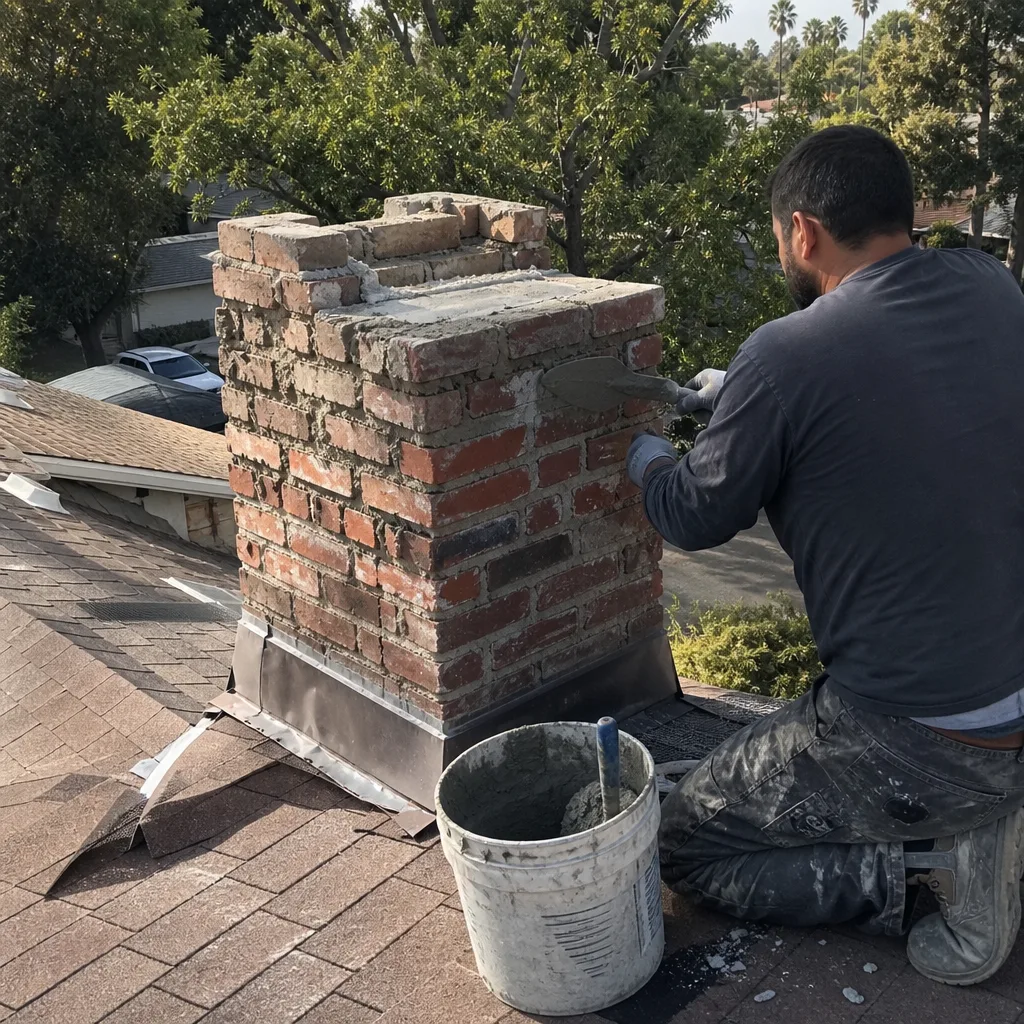
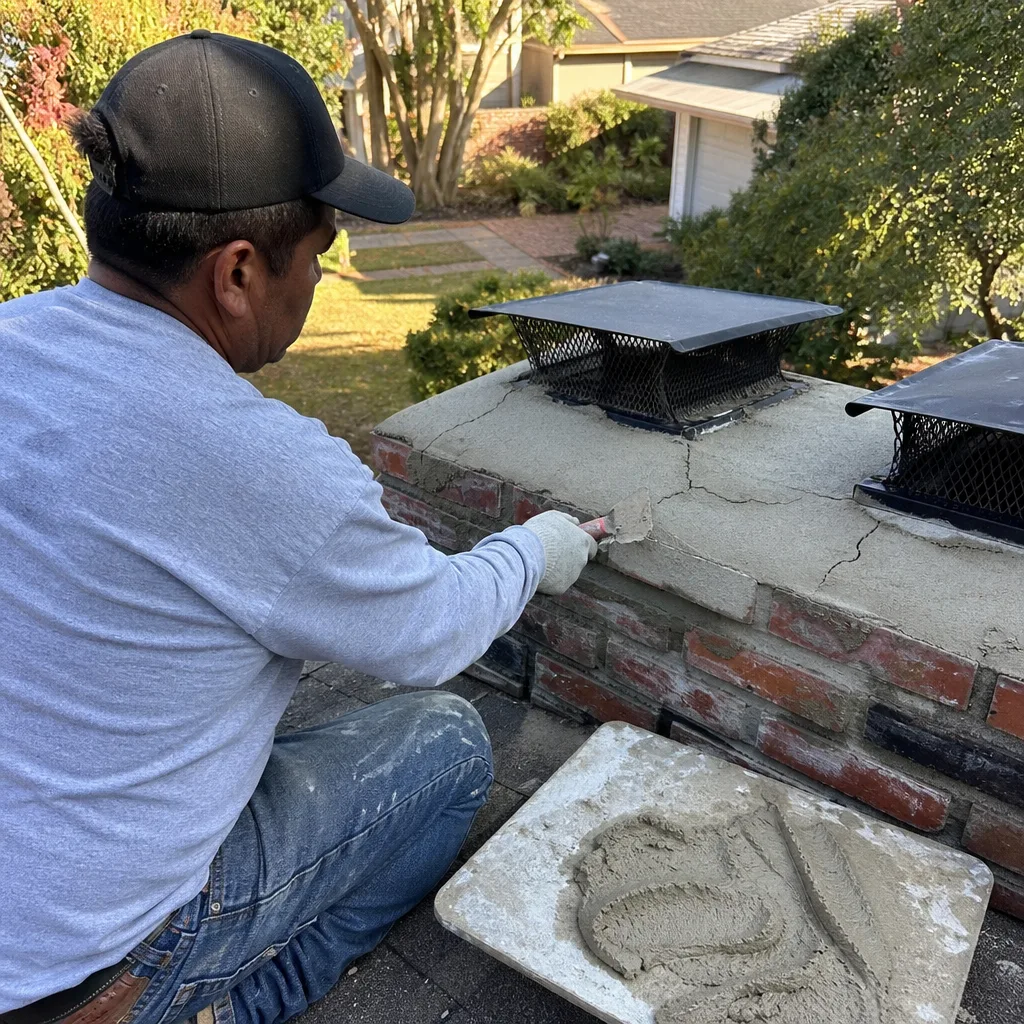
Chimney repair, liner replacement, crown rebuilding, or structural modification - these trigger permit requirements in LA County, the City of Los Angeles, and virtually every incorporated city in the region. The permit ensures the work meets the California Building Code, California Residential Code, and local amendments. We’ve pulled permits in Sherman Oaks, Studio City, Encino, and Van Nuys, and the process is consistent: plans, inspection by the city, and a final sign-off before the system is legally returned to service.
Where homeowners get blindsided is the gray zone. A “sweep” company finds Class III glazed creosote, recommends a chemical treatment or mechanical removal that requires accessing the smoke chamber, and suddenly you’re looking at a repair scope that needs permitting. Or a flue liner is found to be deteriorated, and the “cleaning” visit turns into a liner replacement that can’t proceed without city approval.
Our practice at Emberly Chimney Cleaners Sherman Oaks home is to run a camera scan before quoting any cleaning. If the flue liner shows cracks, gaps, or deterioration that would make cleaning alone inadequate, we tell you before we start, show you the footage, and deliver a written scope that separates maintenance from repair. Clause 1 of the Haven Standard requires that written price and scope before any work begins, so you’re never halfway through a “routine” sweep and suddenly facing an unpermitted modification.
Specific Sherman Oaks context: many homes in the hills south of Ventura Boulevard, particularly those built between 1950 and 1980, have unlined terra cotta flues or early stainless steel liners that have reached end of service life. The combination of clay soil movement, thermal cycling from our warm days and cool evenings, and original construction that predates modern liner standards means we frequently find that a requested “cleaning” is actually a code-triggered repair situation. We’ve documented this pattern across more than 38,000 inspections since 2009.
How NFPA 211 Became California Law (Even Though It Isn’t)
NFPA 211, the Standard for Chimneys, Fireplaces, Vents, and Solid Fuel-Burning Appliances, is published by the National Fire Protection Association. It is not a California statute. You cannot be ticketed for “violating NFPA 211” the way you can for violating the California Vehicle Code.
But California’s Title 24, Part 6 (the Energy Code), and the California Building Code both incorporate NFPA 211 by reference when defining acceptable chimney construction and maintenance. The Los Angeles County Fire Code, Chapter 10, explicitly adopts NFPA 211 for chimney and venting system standards. When a local fire marshal or building inspector evaluates whether a chimney is safe to operate, they are not checking some obscure federal guideline. They are enforcing California law that points directly to NFPA 211.
This matters because NFPA 211 defines three levels of inspection:
- Level 1: Visual examination of readily accessible portions of the chimney exterior, interior, and appliance connection. No tools, no camera, no roof access required. This is what most “chimney sweeps” perform when they shine a flashlight up the flue from the firebox.
- Level 2: Visual examination plus accessible portions of the chimney exterior and interior, including attics, crawl spaces, and basements. Requires video scanning or other means of inspection of internal surfaces and joints. Required upon sale or transfer of property, after an operating malfunction or external event, or upon addition or removal of an appliance.
- Level 3: Examination of concealed portions of the chimney and flue, potentially including demolition of components. Triggered when Level 1 or 2 indicates a hazard that cannot be evaluated without access to hidden areas.
Here’s the critical point for California homeowners: because NFPA 211 is incorporated by reference into state and local code, a Level 1 inspection does not satisfy the code requirement in any situation where Level 2 is specified. Yet most chimney service companies in the Sherman Oaks market still perform Level 1 inspections as their default, charge for them, and present the result as documentation of “safety.”
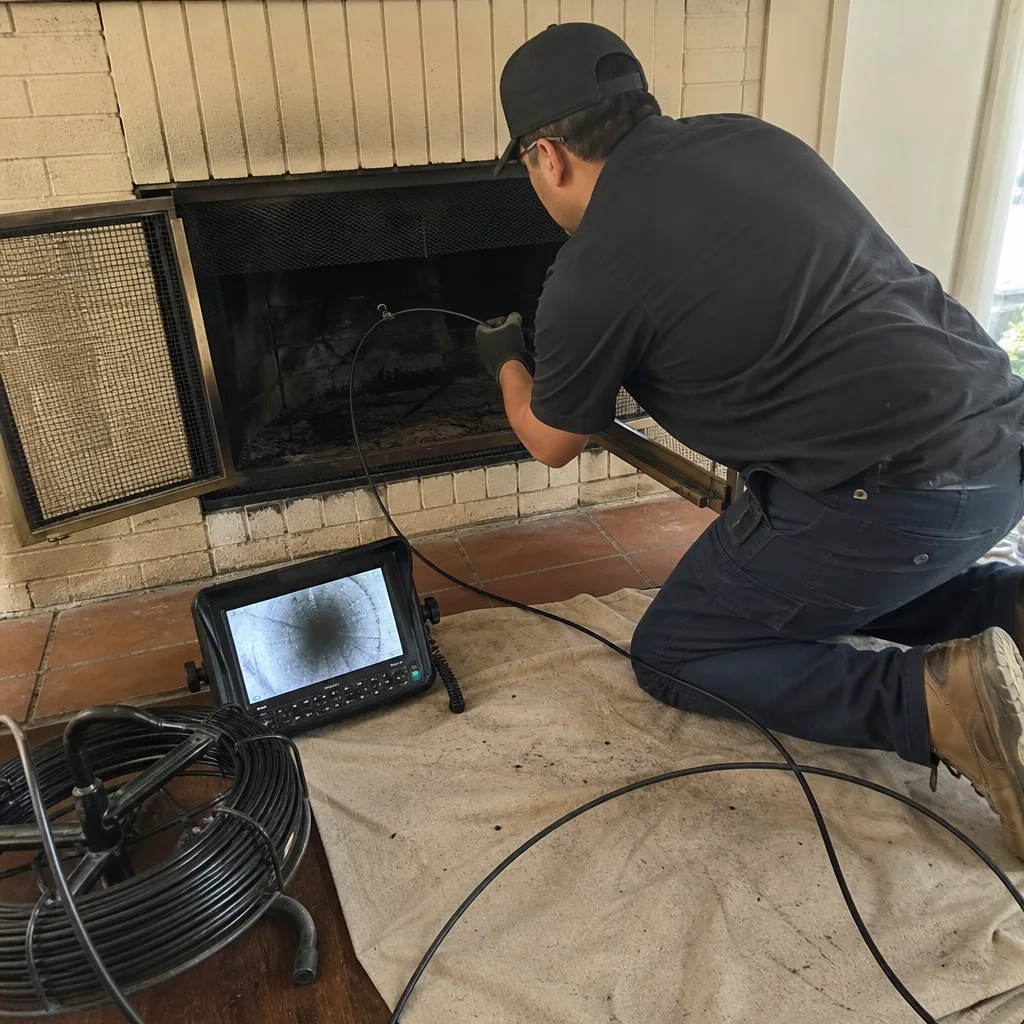
We changed this practice in 2009. Emberly Chimney Cleaners was built around making NFPA 211 Level 2 the default on every visit, with camera-scan documentation included as standard. That practice became Clause 4 of the Haven Standard. When we inspect a chimney in Sherman Oaks, you receive a photo record of the flue interior, the smoke chamber, the damper assembly, and the accessible exterior, with findings noted against NFPA 211 criteria. If you need this documentation for a sale, an insurance claim, or a code compliance matter, it exists.
Level 1 vs. Level 2 Inspections: What California Code Actually Requires
Let’s be specific about when California code requires each inspection level, because this is where homeowners and even some real estate professionals get it wrong.
Level 1 is sufficient only when:
- The appliance or venting system is not being changed.
- There has been no external event (earthquake, chimney fire, weather damage, significant seismic activity) that could have affected the system.
- The chimney is being evaluated for continued service under existing conditions, and the prior inspection was also Level 1 or 2 with no changes since.
Level 2 is required by NFPA 211, and therefore by California code reference, when:
- The property is being sold or transferred.
- An appliance is being added, removed, or replaced.
- There has been a chimney fire, earthquake, or other event that may have damaged the system.
- There has been an operating malfunction (smoke spillage, carbon monoxide alarm, performance change).
- The building has experienced a significant structural event, including seismic activity above magnitude 4.0 in the region.
In Sherman Oaks, situated in the Santa Monica fault zone and the broader Los Angeles basin seismic region, that last trigger is not theoretical. The 2019 Ridgecrest earthquakes, the 2020 sequence, and ongoing regional seismicity all create situations where a previously inspected chimney may require re-evaluation under Level 2 protocols. We’ve performed post-seismic Level 2 inspections in Sherman Oaks, Beverly Hills, and the Hollywood Hills where homeowners assumed their “annual sweep” from three months prior was sufficient documentation.
The practical difference between Level 1 and Level 2 is substantial. A Level 1 inspection in a typical Sherman Oaks ranch home might take 20 minutes and involve a flashlight examination from the firebox and a visual check of the exterior brickwork. A Level 2 inspection of the same system takes 60-90 minutes, includes video scanning of the entire flue liner with a camera head that documents every joint, every crack, every area of spalling or creosote buildup, and produces a written report with photo evidence.
When we perform Chimney Repair in Sherman Oaks, we begin with Level 2 documentation even if the homeowner initially requested only cleaning. This isn’t upselling. It’s ensuring that any repair recommendation is grounded in code-compliant evidence, not speculation. Clause 4 of the Haven Standard requires this documentation on every job, and we’ve maintained that practice across more than 38,000 visits since 2009.
Real Estate Disclosure: What California Sellers Must Reveal
California’s real estate disclosure obligations are among the strictest in the nation, and chimney condition sits in a particularly uncomfortable regulatory intersection. The Transfer Disclosure Statement (TDS), required under California Civil Code Section 1102, asks sellers to disclose known defects in “heating” and “fireplace” systems. The Natural Hazard Disclosure Statement addresses seismic and fire hazards. Neither form provides a checkbox labeled “chimney flue liner condition.”
What sellers must actually disclose depends on what they know or should have known. A seller who has never had a chimney inspection can truthfully state they are unaware of defects. But “I didn’t know” is a poor defense when a buyer’s inspector finds a cracked flue liner, and the seller’s disclosure faces scrutiny in escrow or litigation.
Here’s where documentation becomes protective, and where the inspection level matters critically:
A Level 1 inspection report stating “chimney appears serviceable” based on flashlight examination does not satisfy the standard of care that California courts have applied to home sellers. The report doesn’t examine the flue interior joints, doesn’t document liner condition with photographic evidence, and cannot support a claim that the seller exercised due diligence.
A Level 2 inspection report with video documentation, by contrast, provides a dated, verifiable record of chimney condition at a specific point in time. If the report finds the system serviceable per NFPA 211, the seller has defensible documentation. If it finds defects, the seller can disclose them specifically, obtain repair estimates, and either remediate or adjust price transparently.
We’ve provided this documentation for Sherman Oaks home sales in neighborhoods including Royal Oaks, Longridge Estates, and the hillside areas south of Mulholland. In several cases, our Level 2 inspection found deteriorated flue liners in homes where the seller had received a “clean” Level 1 report from another company six months prior. The difference wasn’t that one inspector was negligent and the other thorough. The difference was that Level 1 cannot see what Level 2 documents.
For buyers, we offer a Free Second Opinion on any written estimate, including inspection reports from other companies. Bring us a competitor’s Level 1 report that declared your prospective home’s chimney “safe,” and we’ll run a Level 2 camera inspection to verify whether that conclusion was supported by actual evidence. Clause 1 of the Haven Standard, “Have it in writing,” applies to the documentation you receive before purchase, not just before repair.
South Coast AQMD Burn Rules and Your Chimney Liability
The South Coast Air Quality Management District (AQMD) regulates wood burning in Los Angeles County, Orange County, Riverside County, and San Bernardino County under Rule 445. Most Sherman Oaks homeowners know the basic framework: on No-Burn Days, residential wood burning is prohibited except for homes where wood is the sole source of heat. On Permitted Burn Days, burning is allowed in EPA-certified devices or properly functioning conventional fireplaces.
What fewer homeowners understand is how AQMD enforcement interacts with chimney maintenance obligations and liability exposure.
On a No-Burn Day, using a non-compliant fireplace carries a fine from AQMD, currently starting at several hundred dollars for first violations. But the enforcement mechanism is complaint-driven; AQMD does not patrol neighborhoods. The practical risk is neighbor complaint, which in Sherman Oaks’s dense hillside neighborhoods with shared airsheds is not uncommon.
On a Permitted Burn Day, the liability framework changes. If your chimney has a deteriorated flue liner, obstructed flue, or damaged smoke chamber, and a fire or carbon monoxide event occurs, your insurance coverage may be contested on the basis that you operated a known-compromised system. The fact that burning was “permitted” by AQMD does not override your obligation to maintain the system in safe operating condition under California building and fire codes.
We’ve documented cases in Sherman Oaks and adjacent areas where insurance adjusters denied claims after chimney fires, citing lack of documented maintenance. In one instance, a homeowner had receipts for three years of “chimney sweeps” from a company that performed only Level 1 visual inspections. The flue liner was cracked at a joint, visible only on camera, and the creosote buildup that ignited had accumulated in that crack. The insurer argued, successfully, that the homeowner had not exercised reasonable care because no documented inspection of the flue interior existed.
The Haven Standard’s Clause 4 documentation practice exists precisely for this scenario. Every Emberly Chimney Cleaners inspection produces a photo record that can be presented to insurers, code officials, or legal counsel. We don’t predict when you’ll need it. We ensure you have it.
Seasonal note for Sherman Oaks: AQMD typically declares No-Burn Days on the coldest, stillest winter days when atmospheric inversion traps particulates. These are precisely the days when homeowners most want a fire. Maintaining your system so it’s ready to operate safely on permitted days, and knowing when those days occur, is part of responsible chimney ownership in this air district.
What Triggers a Mandatory Inspection Under California Code
Beyond the NFPA 211 triggers discussed above, several California-specific circumstances create inspection obligations that homeowners often miss.
Real estate transfer. While California does not statutorily require a chimney inspection at sale, the TDS disclosure obligation effectively mandates one for any seller who wants defensible documentation. More importantly, FHA, VA, and many conventional lenders now require Level 2 inspection documentation for homes with wood-burning fireplaces, particularly in high-fire-risk zones. Sherman Oaks falls within the Los Angeles County Very High Fire Severity Zone in its hillside areas, making this requirement common in transactions above Ventura Boulevard.
Insurance underwriting. Homeowners insurance renewals in California have become increasingly stringent following wildfire losses. Several insurers serving the Sherman Oaks market now require documented chimney inspection as a condition of coverage or renewal, particularly for homes with wood-burning appliances. The documentation must be dated within 12-24 months and must specify inspection level. A receipt for “chimney sweep, $149” does not satisfy this requirement.
Post-seismic protocols. The California Building Code and Los Angeles County amendments require evaluation of chimney systems after significant seismic events. While enforcement is not automatic, we’ve performed mandatory inspections for homeowners whose insurers or lenders required documentation following regional earthquakes. The 2019 Ridgecrest sequence triggered dozens of such requests in our service area.
Fire department response. If the Los Angeles County Fire Department responds to a chimney fire, smoke incident, or carbon monoxide alarm at your property, they may issue a notice requiring inspection before the system is returned to service. This notice typically specifies Level 2 inspection with written documentation. Operating the system without compliance can result in code enforcement action.
New appliance installation. Installing a wood stove, insert, or gas log set in an existing fireplace requires permit and inspection in LA County. The inspection includes verification that the chimney system meets NFPA 211 standards for the new appliance. We’ve performed these verifications for Fireplace Services in Sherman Oaks installations, frequently finding that the existing flue liner is incompatible with the new appliance’s venting requirements.
Permit Requirements by Jurisdiction: LA County Specifics
Permit requirements for chimney work vary by jurisdiction, and the Los Angeles area’s patchwork of incorporated cities and county territory creates genuine confusion. Here’s the practical breakdown for Sherman Oaks and adjacent areas:
City of Los Angeles (including Sherman Oaks, Studio City, Encino, Van Nuys):
- Chimney cleaning and sweeping: no permit required.
- Flue liner replacement: building permit required, mechanical permit may be required depending on appliance connection.
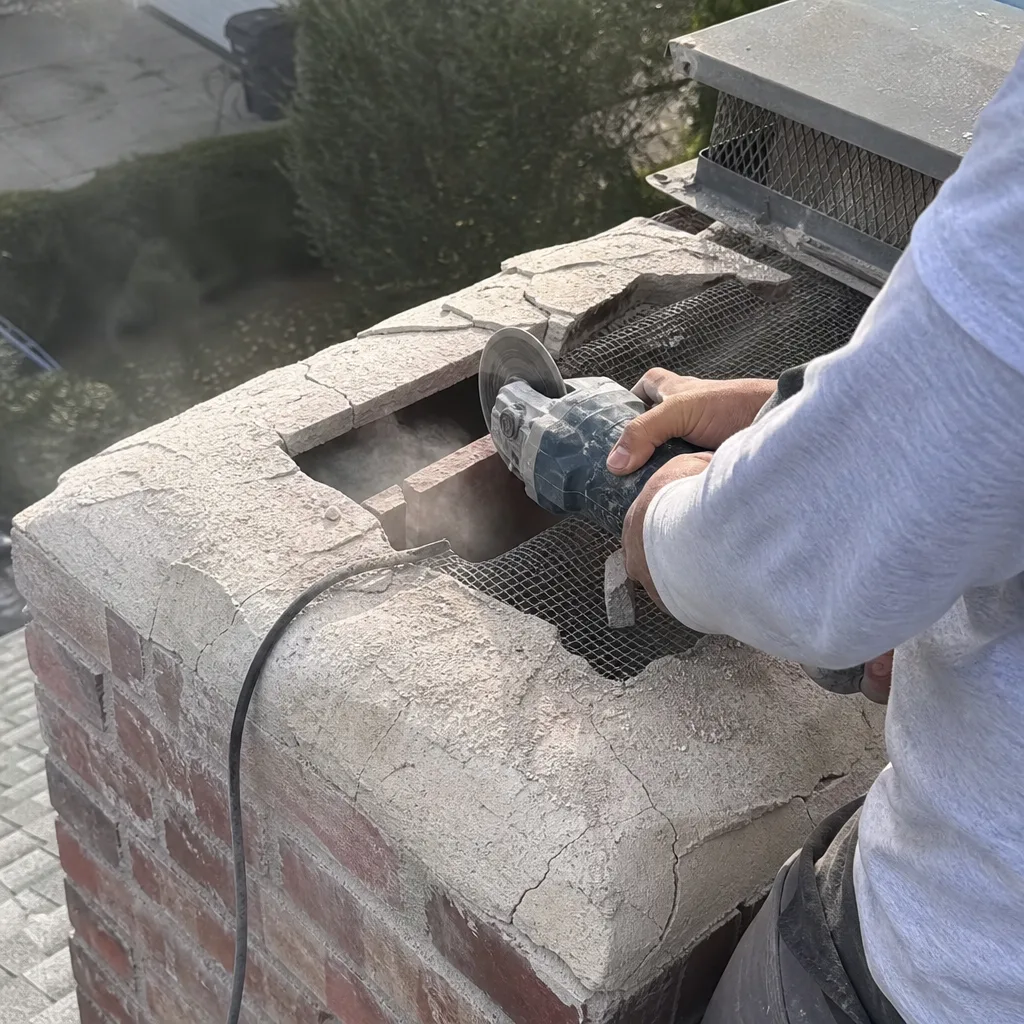
- Crown repair or replacement: building permit required if structural modification involved; minor crown sealing (HeatShield, CrownCoat) typically does not require permit if no structural change.
- Smoke chamber parging: building permit required.
- Chimney cap installation: no permit required for standard caps; custom fabrication may require permit.
- Full or partial rebuild: building permit required, with structural engineering review for seismic compliance.
Unincorporated Los Angeles County:
Permit requirements are similar but processed through LA County Building and Safety rather than the City of Los Angeles Department of Building and Safety. Inspection scheduling and plan review timelines differ, typically running 2-3 weeks longer than city permits.
Adjacent cities (Beverly Hills, West Hollywood, Burbank, Glendale):
Each maintains its own building department with local amendments. Beverly Hills requires structural engineering sign-off for chimney rebuilds above roofline. Burbank has additional seismic bracing requirements for masonry chimneys. We maintain permit relationships with each jurisdiction and handle submittal as part of our repair scope.
Our materials sourcing through Haven’s buying network, including DuraFlex liner systems, HeatShield refractory products, and Gelco chimney caps, ensures that components specified in permitted work carry the manufacturer documentation that building departments require. We don’t substitute unspecified materials mid-project, because that voids permit compliance and warranty coverage.
For Sherman Oaks homeowners, the practical implication is that any repair recommendation should include permit status in the written scope. If a contractor proposes liner replacement without mentioning permit requirements, that’s a red flag. The work cannot be legally signed off, and your documentation will not satisfy insurance or sale requirements. Clause 1 of the Haven Standard requires that our written scope include permit status, timeline, and cost for any work that triggers jurisdictional requirements.
The Documentation That Satisfies Code, Insurers, and Buyers
The gap between “we cleaned your chimney” and “your chimney meets code” is documentation, and not all documentation is equal. Here’s what actually satisfies the parties who matter:
For code officials: A dated inspection report referencing NFPA 211 by edition year, specifying inspection level, listing findings against specific code sections, and including photographic or video evidence of internal flue condition. The report should identify the inspector, their credentials, and any limitations of the inspection.
For insurance underwriters: Same as above, plus confirmation that any recommended repairs were completed and re-inspected, with permit final inspection sign-off if applicable. Underwriters increasingly reject “sweep receipts” in favor of structured inspection reports.
For real estate transactions: Level 2 inspection report with video documentation, plus repair invoices with permit numbers if work was performed. In competitive Sherman Oaks markets, buyers’ agents are specifically requesting Level 2 documentation; we’ve seen transactions where Level 1 reports were rejected during contingency review.
For your own records: A chronological file of inspection reports, repair documentation, and permit final cards. This file demonstrates due diligence over time and supports warranty claims for materials like DuraFlex liners (lifetime warranty) or HeatShield smoke chamber coatings (20-year warranty).
What we deliver on every Emberly Chimney Cleaners visit, per Haven Standard Clause 4:
- Pre-inspection photo of the firebox and damper assembly condition.
- Video scan of the entire flue liner, with narration noting joints, cracks, creosote classification, and obstruction.
- Photo documentation of the smoke chamber, lintel, and accessible exterior.
- Written findings against NFPA 211 criteria, with specific recommendations.
- Written price and scope for any recommended work, delivered before departure.
- Post-service photo record if cleaning or repair is performed.
- Digital archive accessible to the homeowner for future reference, sale, or insurance purposes.
This documentation practice, initiated in 2009 and maintained across 38,000+ visits, became the model for Haven Standard Clause 4. We didn’t adopt it because regulators required it. We adopted it because it’s the only way to prove what was found, what was done, and what remains to be monitored.
Common Mistakes to Avoid
- Assuming a “clean” chimney is a “safe” chimney. Cleaning removes combustible deposits. It does not evaluate liner integrity, joint condition, or structural soundness. We’ve found cracked flue liners in chimneys that were “swept” annually for a decade with no camera inspection.
- Accepting Level 1 inspection documentation for a real estate sale. In Sherman Oaks’s competitive market, buyers and their insurers increasingly reject Level 1 reports. The cost difference between Level 1 and Level 2 is typically $100-$200; the cost of a delayed escrow is far greater.
- Performing liner replacement without permit. Unpermitted liner work cannot be legally signed off, voids manufacturer warranty in many cases, and creates disclosure liability at sale. We handle permit submittal as standard on all liner replacements.
- Ignoring AQMD No-Burn Days because “everyone burns anyway.” In Sherman Oaks’s hillside neighborhoods with shared airsheds, neighbor complaint to AQMD is common. Fines escalate, and repeat violations can affect homeowner insurance.
- Skipping post-seismic inspection after regional earthquakes. California code references NFPA 211’s requirement for Level 2 inspection after events that may have damaged the system. The 2019-2020 seismic sequence produced chimney damage that was invisible without camera inspection.
- Using “chimney sweep” receipts as maintenance documentation for insurance. A receipt without inspection level, findings, and photo evidence does not demonstrate due diligence. We’ve seen insurers deny claims based on this documentation gap.
When to Call a Professional
Call a certified chimney professional when you’re buying or selling a home with a fireplace, when your insurance requires documented inspection, after any seismic event in the region, or when you’ve never had a camera inspection of your flue interior. If you’re operating a wood-burning system on AQMD Permitted Burn Days, annual Level 2 inspection is the only documentation that demonstrates responsible maintenance.
Emberly Chimney Cleaners Sherman Oaks offers free estimates in Sherman Oaks and throughout the San Fernando Valley. Every estimate includes a preliminary assessment of whether your situation involves maintenance, repair, or code-triggered obligations, with no pressure to schedule work. Call (424) 414-6048 to speak with a live person, 24 hours a day, or to request that Corrine Halstead review your specific documentation needs.
Frequently Asked Questions
No. Chimney cleaning and sweeping are considered maintenance and do not require a building permit in any California jurisdiction, including Los Angeles County and the City of Los Angeles. However, if cleaning reveals damage requiring repair, liner replacement, or structural modification, those subsequent activities typically do require permits. Call (424) 414-6048 for a free estimate that distinguishes maintenance from repair scope.
Level 2 camera inspections in the Sherman Oaks market typically range from $250-$400, depending on system accessibility and number of flues. Level 1 visual inspections cost less but do not satisfy California code requirements for real estate transactions, insurance documentation, or post-event evaluation. Emberly Chimney Cleaners delivers a written price before any work begins, with no hidden charges for documentation or photo records, which are included under Haven Standard Clause 4.
NFPA 211 is a national standard, not a California statute. However, California’s Title 24 energy code, the California Building Code, and the Los Angeles County Fire Code all incorporate NFPA 211 by reference when defining acceptable chimney construction, maintenance, and inspection protocols. This means a chimney that fails NFPA 211 criteria is legally non-compliant under California code, even though the standard itself is not state law.
If your flue liner is cracked, separated at joints, or deteriorated to the point where combustion gases can escape into wall cavities, cleaning alone is inadequate and potentially dangerous. We show you the camera footage and explain the specific defect before recommending replacement. Our materials, including DuraFlex stainless steel liners and HeatShield refractory systems, are specified to match your appliance and chimney configuration, with written warranty and permit compliance included.
NFPA 211 recommends annual inspection for all chimney systems, and Level 2 inspection specifically upon property transfer, appliance change, or external event. In Sherman Oaks, with our seismic activity, seasonal temperature swings that stress masonry, and AQMD burn restrictions that concentrate use into specific periods, annual Level 2 inspection provides the documentation that insurance and code requirements increasingly demand.
Uncreosote accumulation creates fire hazard; deteriorated liners create carbon monoxide and structural fire risks; and lack of documented maintenance creates insurance and liability exposure. In Sherman Oaks’s hillside fire severity zones, these risks carry additional regulatory weight. The cost of annual inspection and cleaning is typically $200-$400; the cost of chimney fire remediation, liner replacement, or insurance claim denial runs into thousands. Call (424) 414-6048 for an exact quote - estimates are free.
A Level 2 inspection with video documentation satisfies the standard of care for California real estate disclosure, because it provides dated, verifiable evidence of chimney condition. A Level 1 inspection or sweep receipt does not, because it does not examine the flue interior joints and liner where critical defects occur. We’ve provided Level 2 documentation for Sherman Oaks sales in Royal Oaks, Longridge Estates, and throughout the 91403 and 91423 zip codes.
The Bottom Line
California doesn’t require a permit to clean your chimney, but it absolutely regulates when and how you may use it. The bridge between those two facts is NFPA 211, incorporated into state and local code by reference, and the inspection level that proves compliance. Most homeowners discover this gap too late: during escrow, after a claim denial, or when a fire marshal issues a notice. The documentation that prevents these surprises is not a sweep receipt. It’s a Level 2 camera inspection with photo record, written findings, and written scope for any repair, delivered before work begins. That’s been our practice since 2009, codified as the Haven Standard, and applied to every one of the 38,000+ chimneys we’ve inspected.
Written by Corrine Halstead, Owner at Emberly Chimney Cleaners Sherman Oaks, serving Sherman Oaks since 2009.