
Last updated September 21, 2026
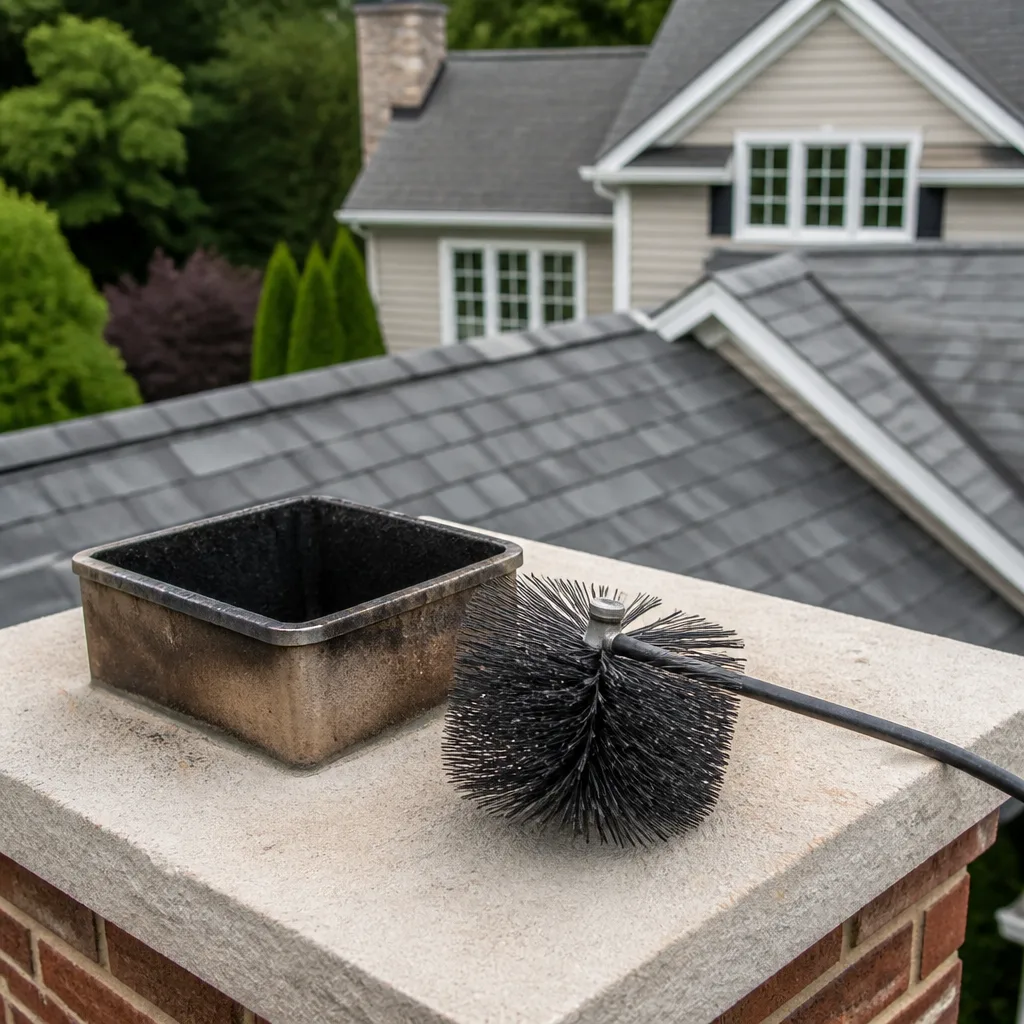
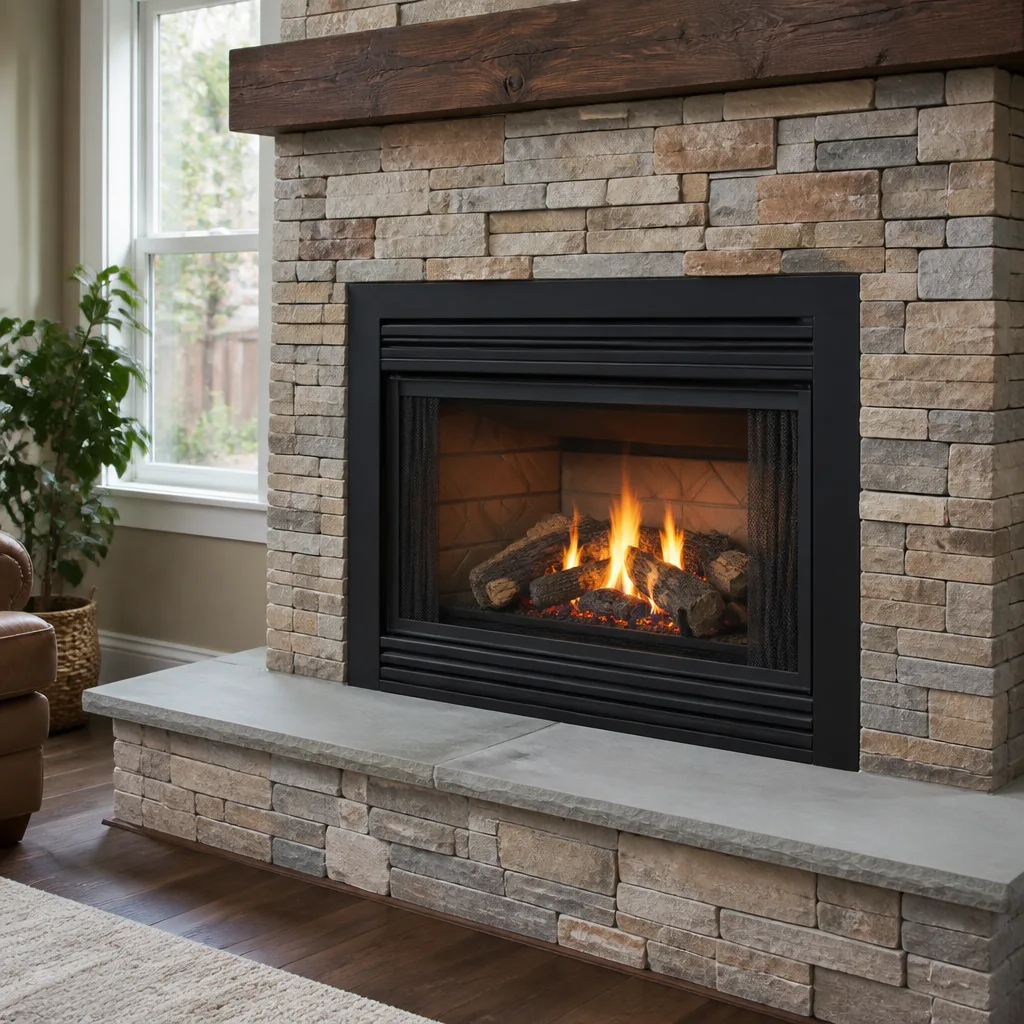
Level 1 sweep and inspection to the NFPA 211 annual standard - flue, crown, cap, and flashing checked and photographed
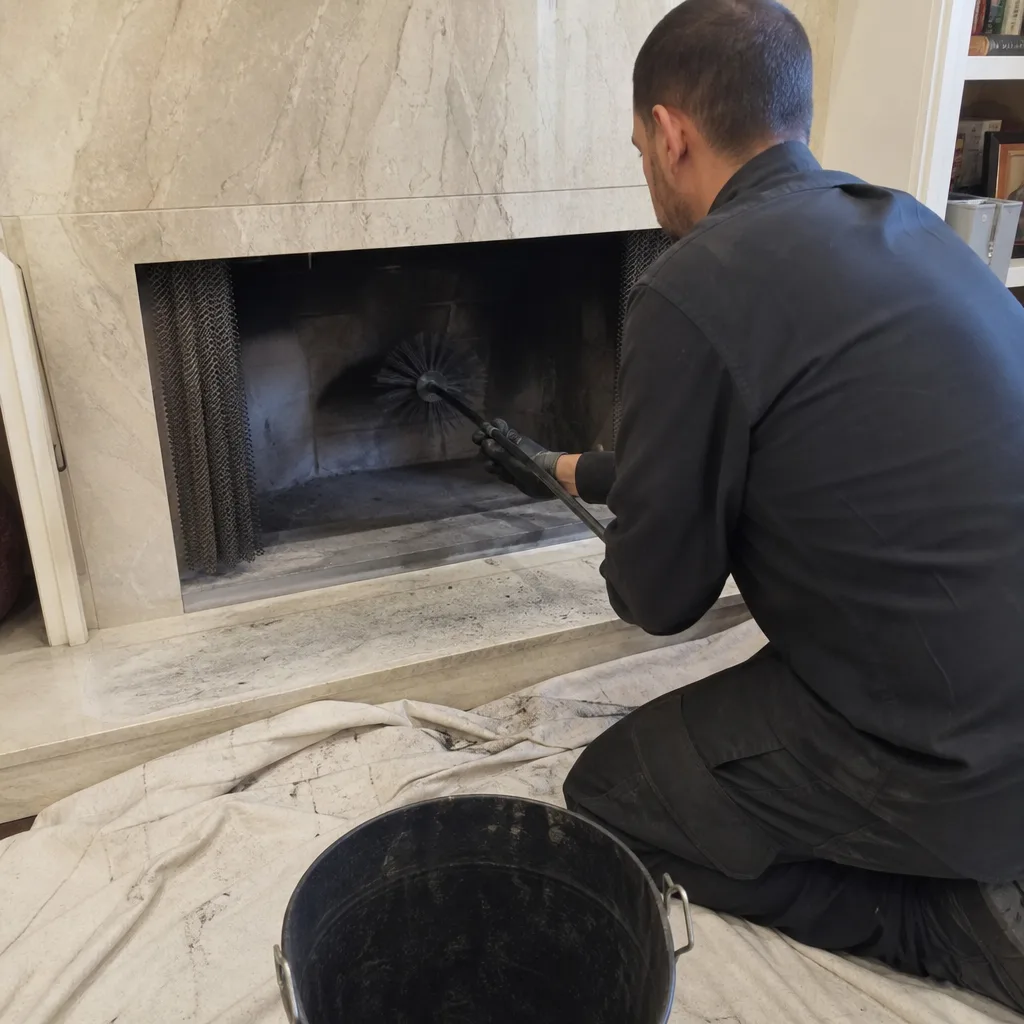
Chimney sweep logs do not sweep chimneys. They loosen some creosote - which then falls where a brush and vacuum still have to collect it.
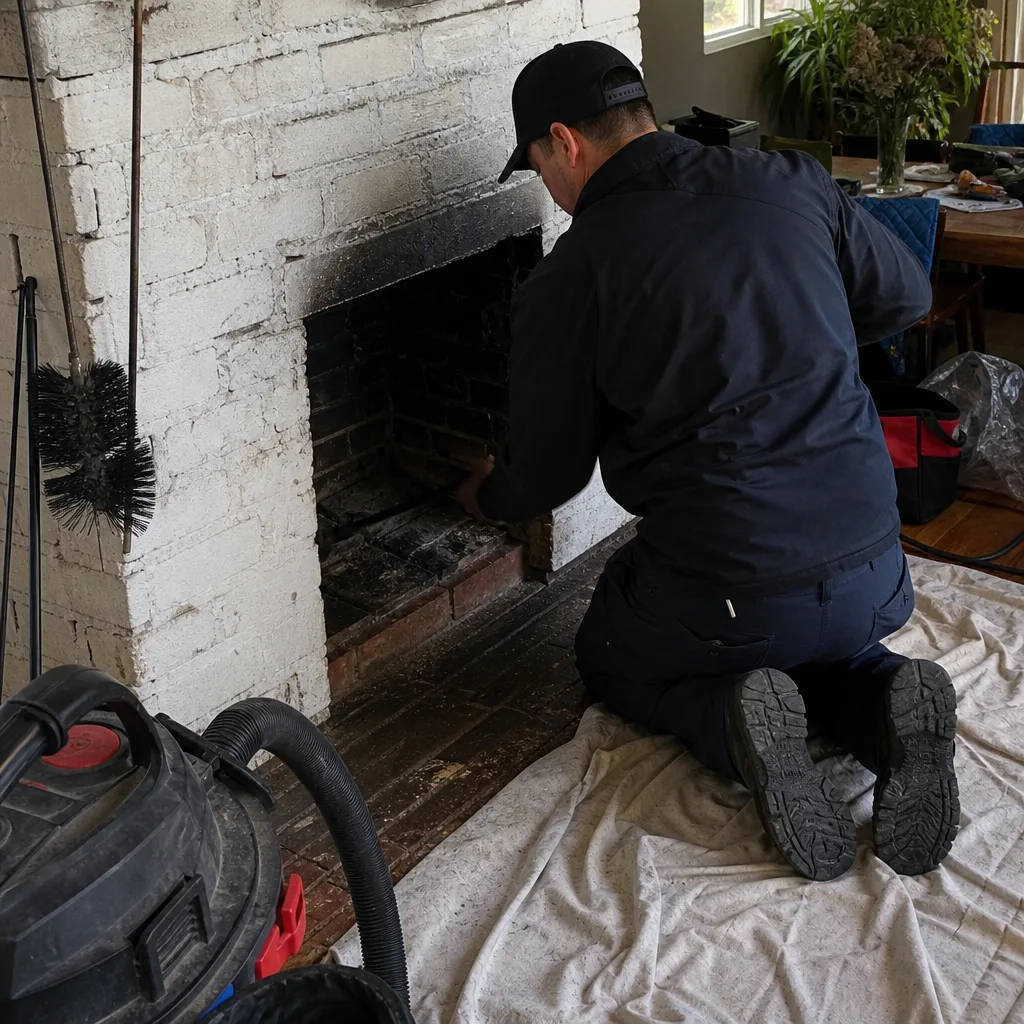 Before
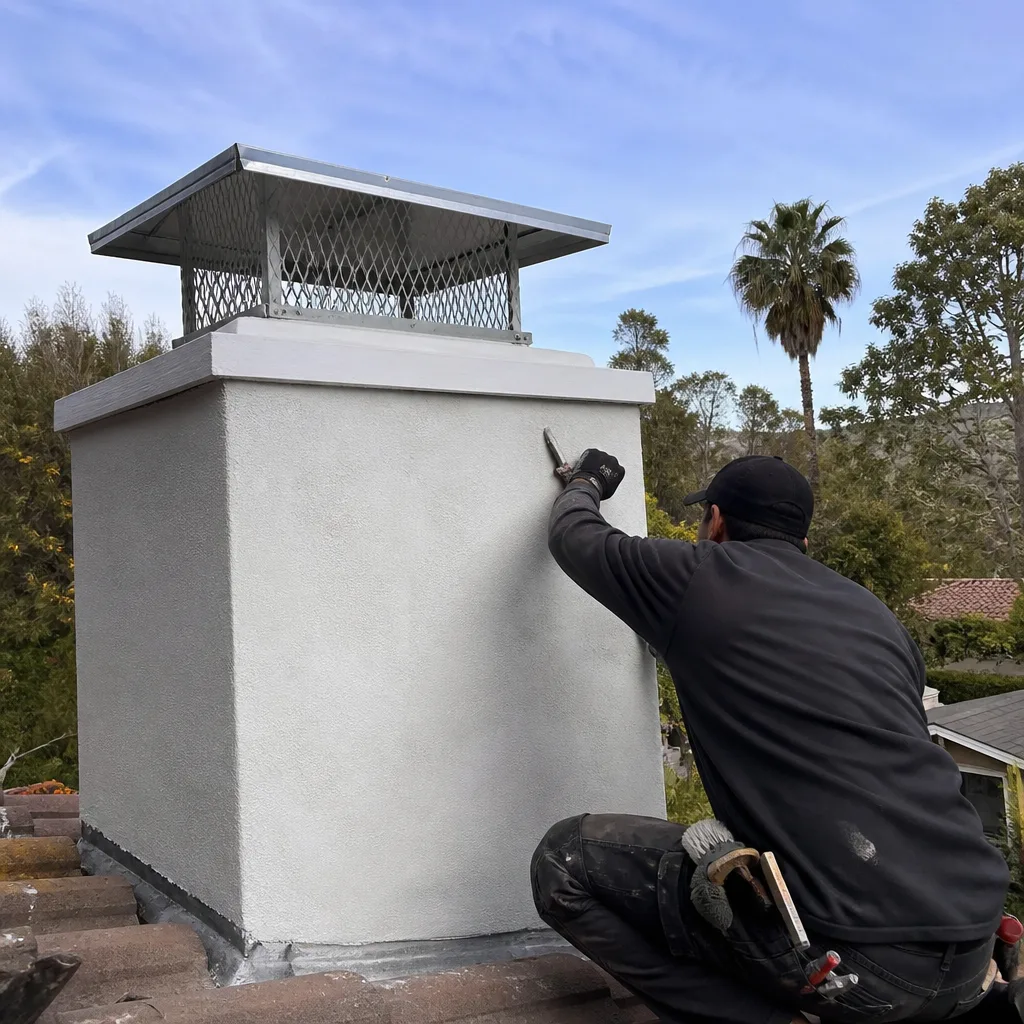 After
After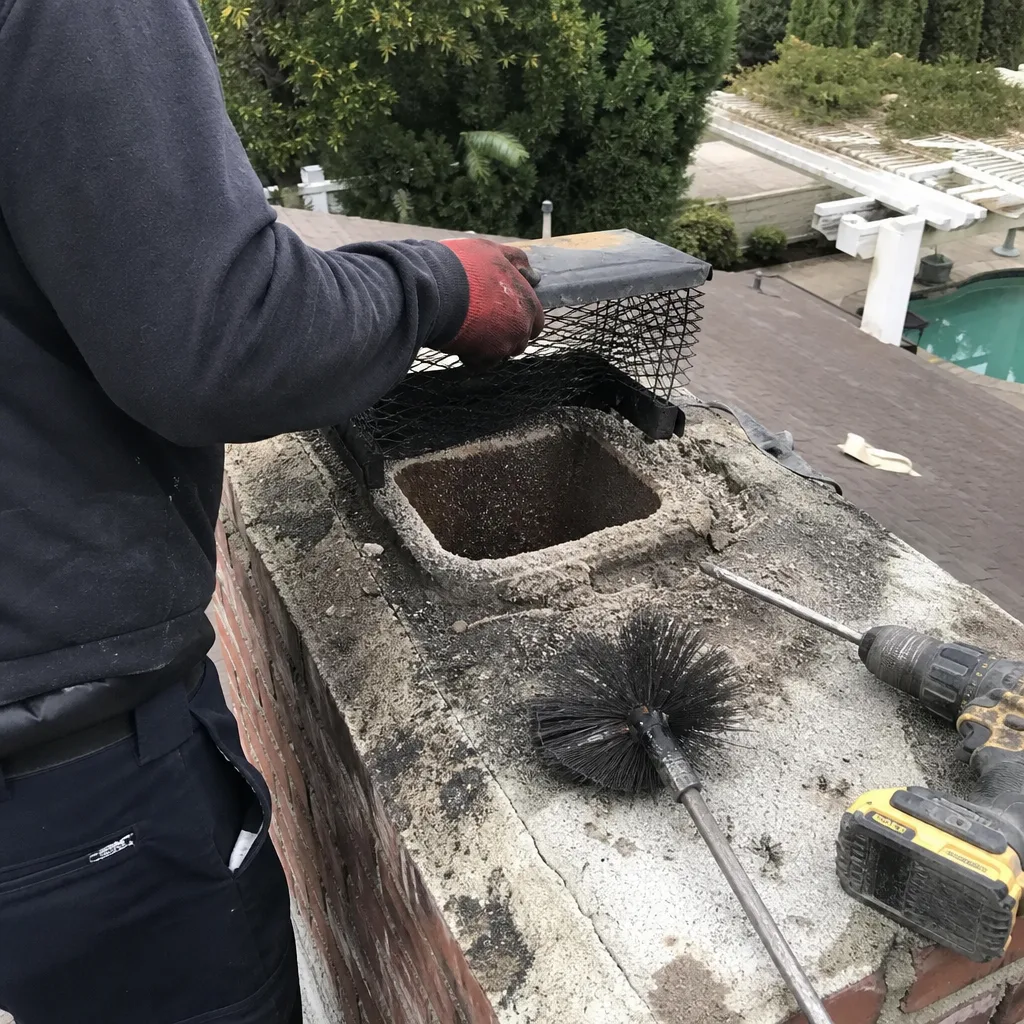 Before
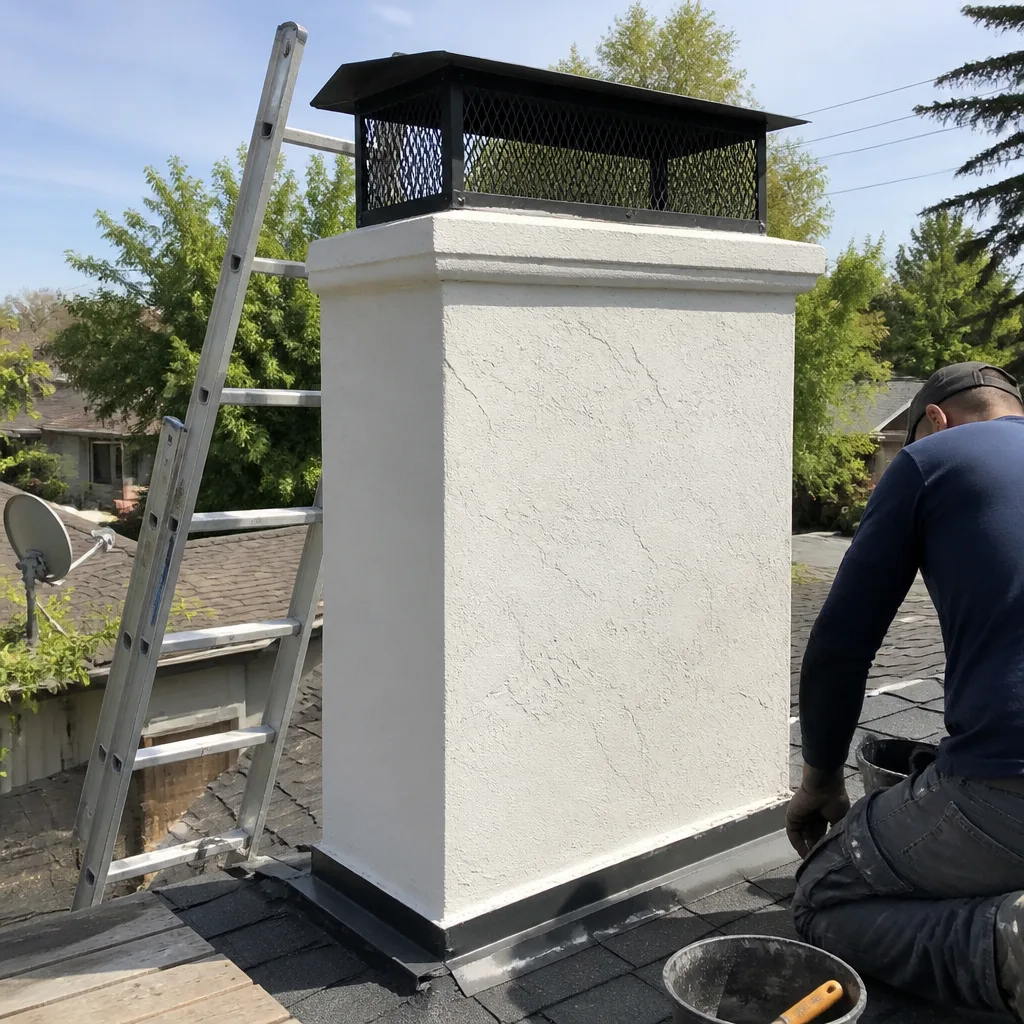 After
After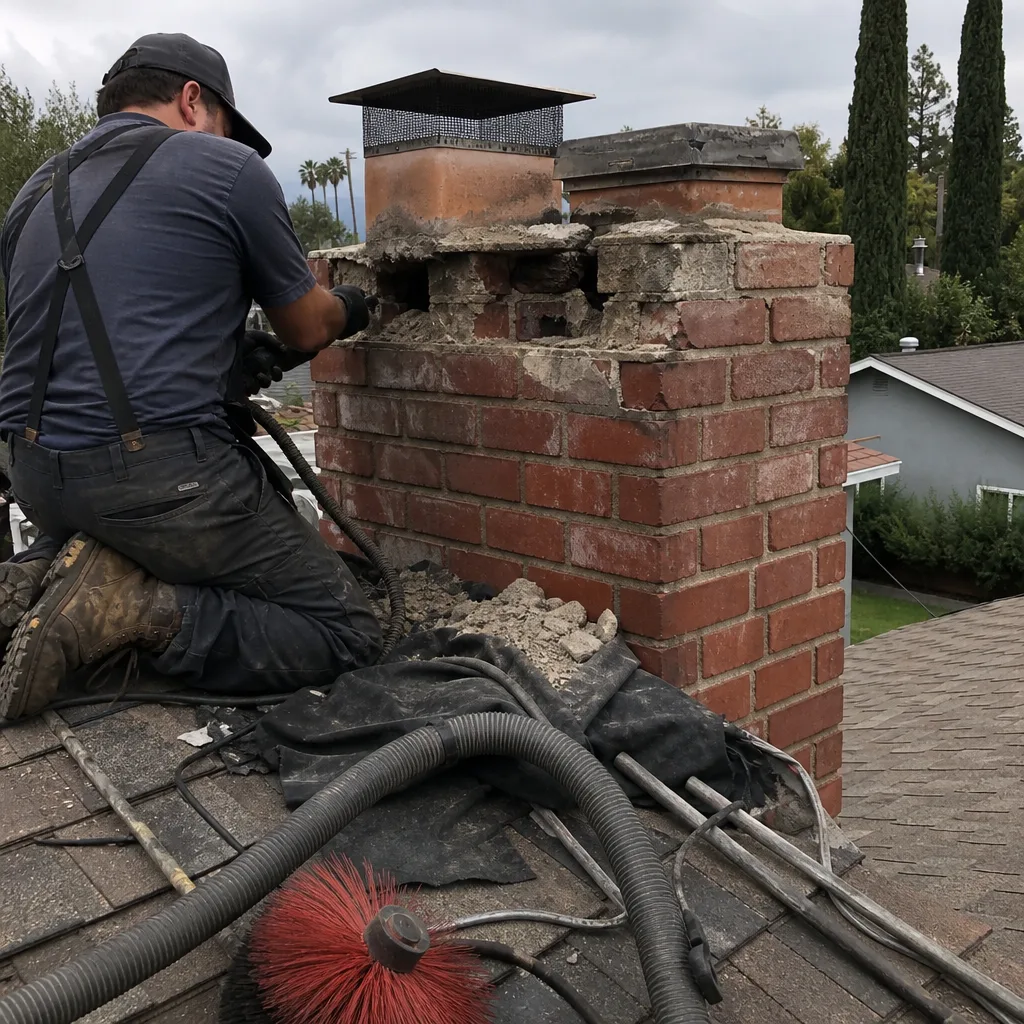 Before
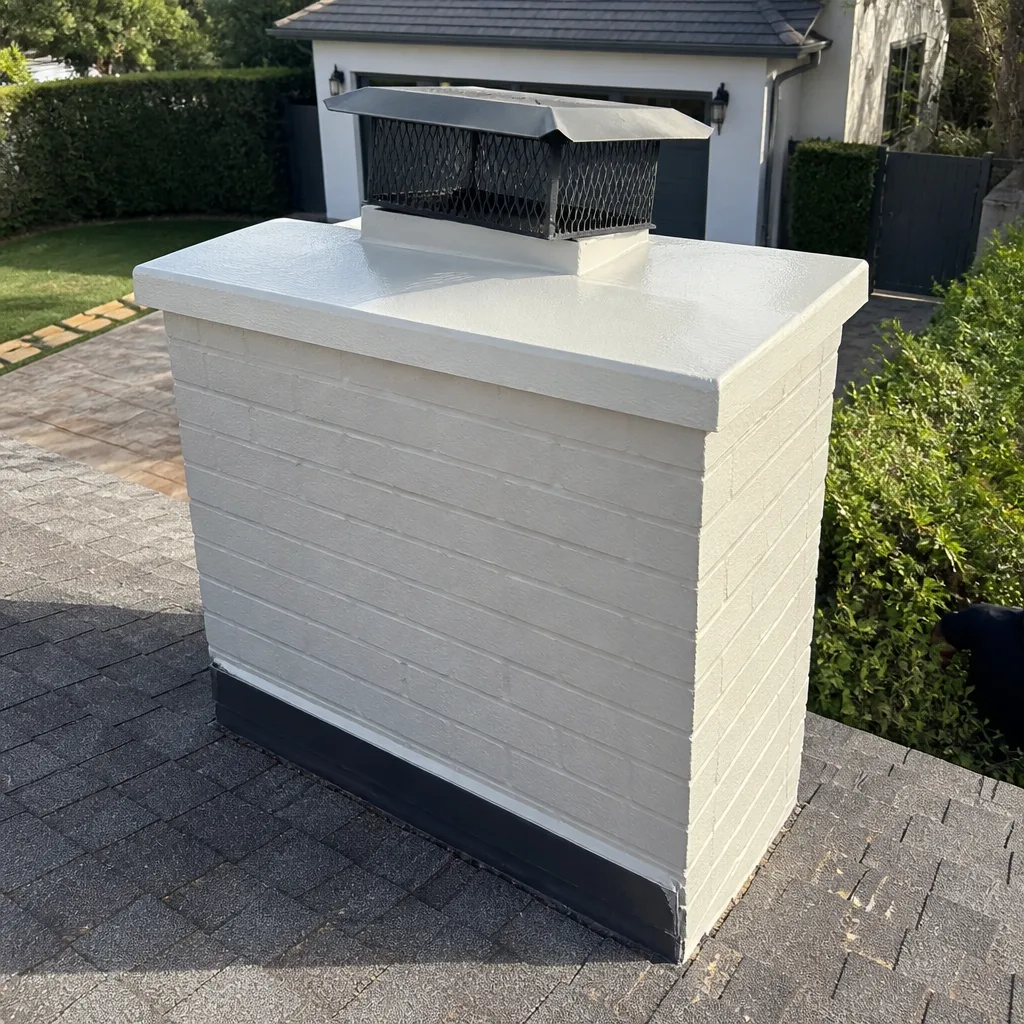 After
AfterChimney Sweep Maintenance Checklist for Sherman Oaks Homeowners
There are at least a dozen chimney checklists indexed for the Los Angeles area. Every one of them includes “check for creosote buildup” - and none of them tells you that creosote in the upper flue liner is invisible without a camera. A checklist that assumes you can see what you’re checking isn’t a safety tool; it’s a liability document. In Sherman Oaks, where the Sierra Madre fault zone produces regular microseismic activity and Santa Ana winds drive debris into uncapped flues, a surface-level checklist can leave critical gaps. This guide organizes maintenance by inspection method - what you can verify with your naked eye, what requires a flashlight and trained sweep, and what demands camera documentation - so you know exactly what each item requires to actually verify, not just approximate.
Quick Answer
A complete chimney maintenance checklist for Sherman Oaks homeowners has three tiers: items you can check yourself (cap position, visible crown cracks, fireplace debris), items requiring a professional sweep with flashlight and brushes (flue liner surface, smoke chamber, damper operation), and items that need a camera-scan inspection (upper flue liner condition, hidden creosote class, mortar joint integrity). Annual service should include all three tiers; after earthquakes, Santa Ana wind events, or wildlife nesting season in the Sepulveda Basin corridor, the camera tier becomes non-negotiable. Our Complete Guide to Chimney Cleaning in Sherman Oaks covers each tier in greater depth.
Table of Contents
- Tier One: Naked-Eye Checks for Sherman Oaks Homeowners
- Tier Two: Flashlight and Sweep - What a Professional Verifies
- Tier Three: Camera-Scan Documentation - The Hidden Inspection
- Sherman Oaks Triggers That Accelerate Your Schedule
- Cap and Crown: The Most Overlooked Items on Any Checklist
- What to Record and Store After Every Service Visit
- Using This Checklist to Vet Your Chimney Contractor
- What Chimney Maintenance Costs in Sherman Oaks
BeforeAfterTier One: Naked-Eye Checks for Sherman Oaks Homeowners
These are the items you can verify from the ground, from the firebox, or with a basic ladder. They don’t require tools, but they do require knowing what you’re looking at.
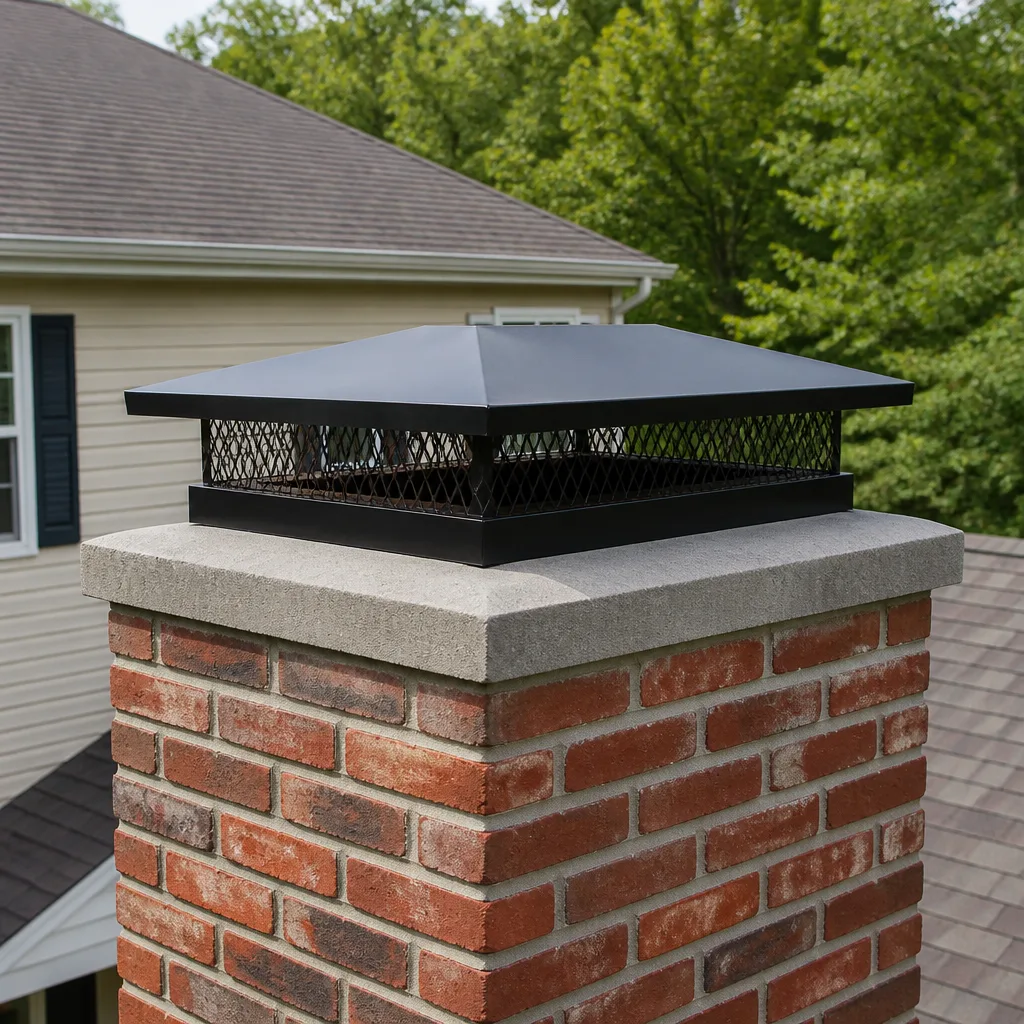
Cap Position and Mesh Condition
Walk to where you can see your chimney crown. The cap should sit squarely, not tilted. Mesh sides should be intact - no gaps larger than a quarter inch. In Sherman Oaks, where the Sepulveda Basin and nearby hillside corridors support active raccoon, squirrel, and bird populations, a missing or damaged mesh side is an invitation. We’ve found nests in flues within 48 hours of a cap failure after Santa Ana wind events in January 2024.
What you’re checking: the cap is seated, mesh is unbroken, spark arrestor screen is present. If any of these fail, the item moves immediately to Tier Three - because you cannot verify what’s inside without a camera.
Visible Crown Cracks and Spalling
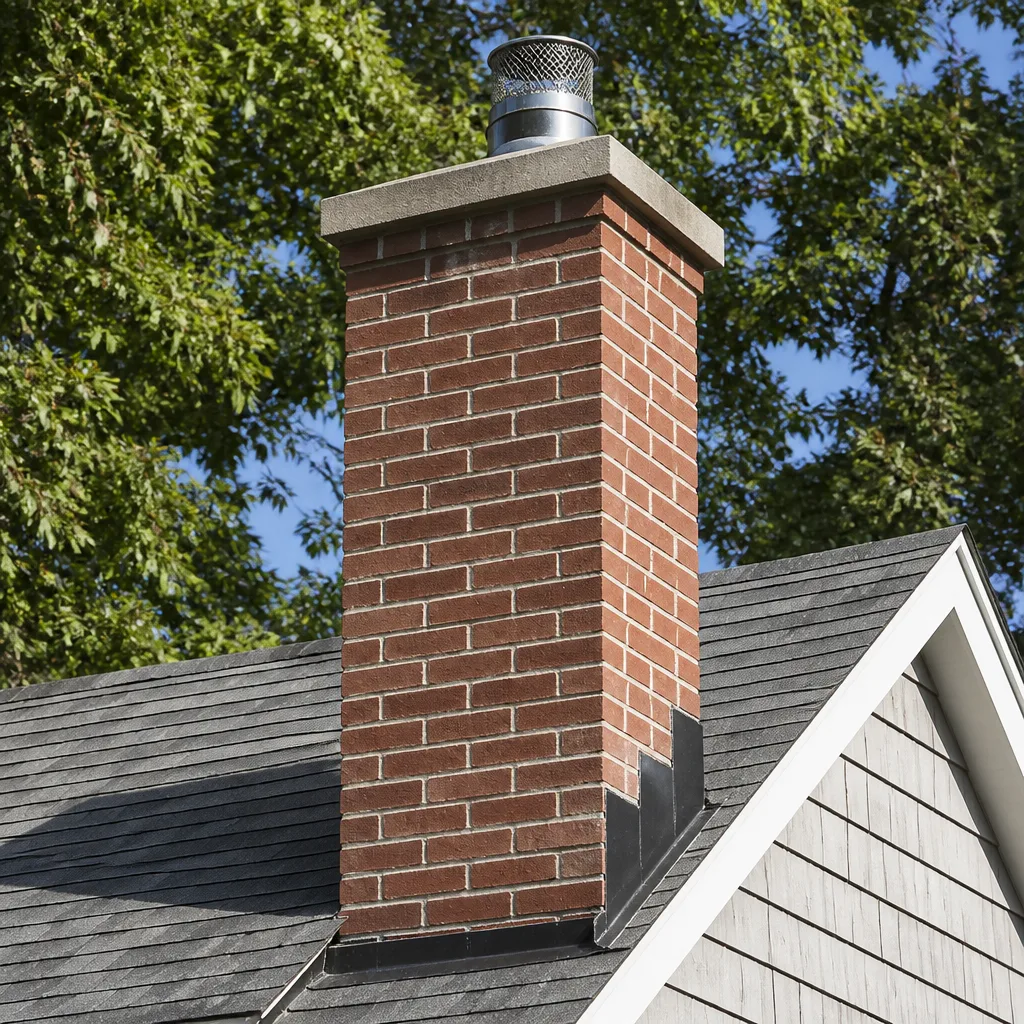
The crown is the concrete slab topping your chimney, not the cap that sits on it. From the ground with binoculars or from a ladder at roof edge, look for:
- Hairline cracks running from the flue tile outward
- Chipped or flaking concrete (spalling)
- Pooling water after rain
- Discoloration indicating previous leaks
The San Fernando Valley’s heat-cycle range - summer days above 95°F followed by 50°F nights - produces more crown shrinkage than coastal Los Angeles. Concrete expands and contracts; without proper overhang and drip edge, crown cracks in Sherman Oaks typically appear within 8-12 years of installation. A cracked crown is not automatically an emergency. Water intrusion through the crack is. If you see dark staining on the brick below the crown, that’s your signal.
Firebox and Hearth Debris
Open the damper fully. Shine a flashlight up from the firebox floor. You’re looking for:
- Fallen bricks or mortar chunks
- Animal droppings or nesting material
- Standing water
- Soot accumulation thicker than 1/8 inch on the firebox walls
Any of these findings move the item to Tier Two or Three. Soot on firebox walls indicates incomplete combustion - possibly damper malfunction, oversized firebox, or green wood use. The cause determines the fix, and you cannot determine the cause from this position.
Exterior Brick and Mortar
From the ground, scan for:
- Missing mortar joints (tuckpointing needed)
- Bricks with face surfaces flaking off (spalling)
- White powdery deposits (efflorescence, indicating moisture migration)
- Leaning or separated chimney structure
After any seismic event in the Sherman Oaks area - the 2019 Ridgecrest sequence produced perceptible shaking here - check for new or widening cracks. The Sierra Madre fault zone runs approximately 10 miles northeast, and microseismicity is routine. A chimney that has shifted even slightly relative to the roofline needs immediate professional evaluation.
Tier Two: Flashlight and Sweep - What a Professional Verifies
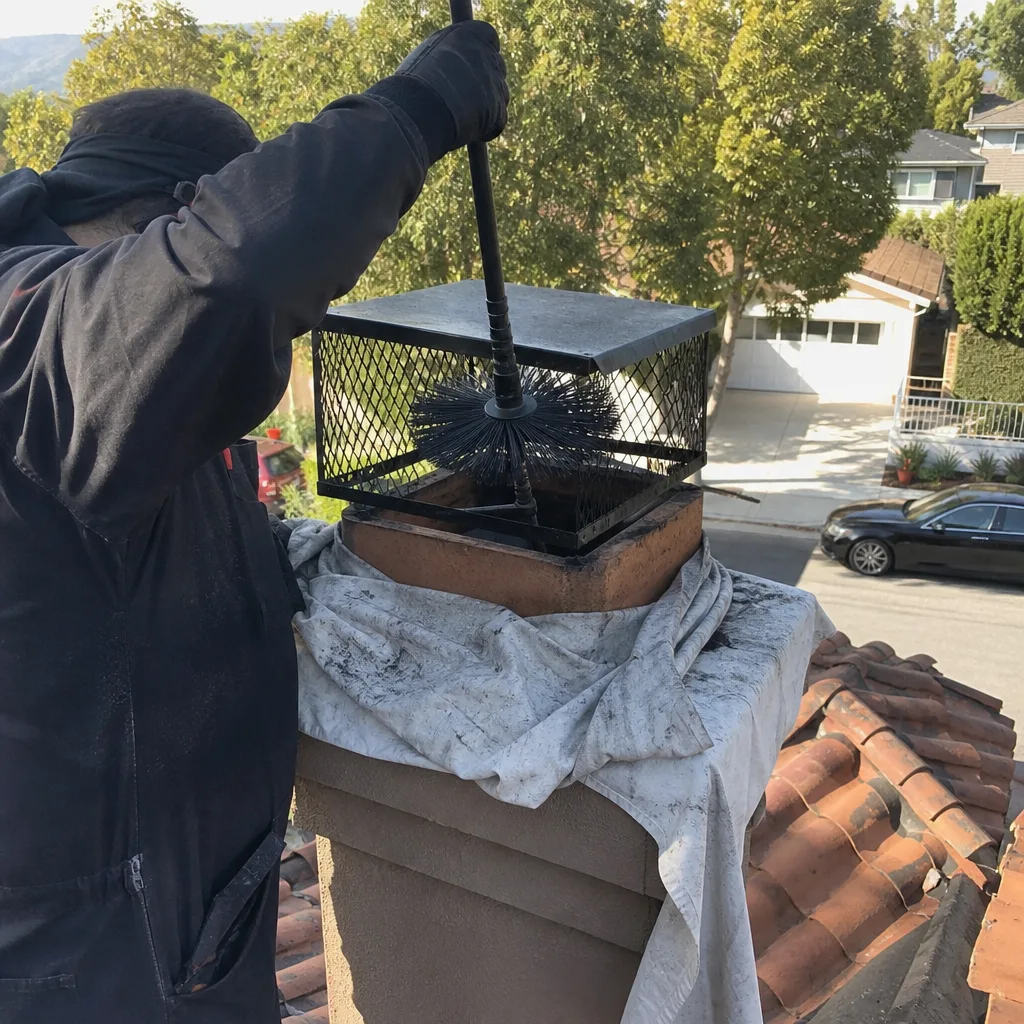
These items require physical access, proper lighting, and the tools of the trade: rotary brushes, rods, vacuums, and a trained eye. This is the scope of a standard chimney sweep in Sherman Oaks.
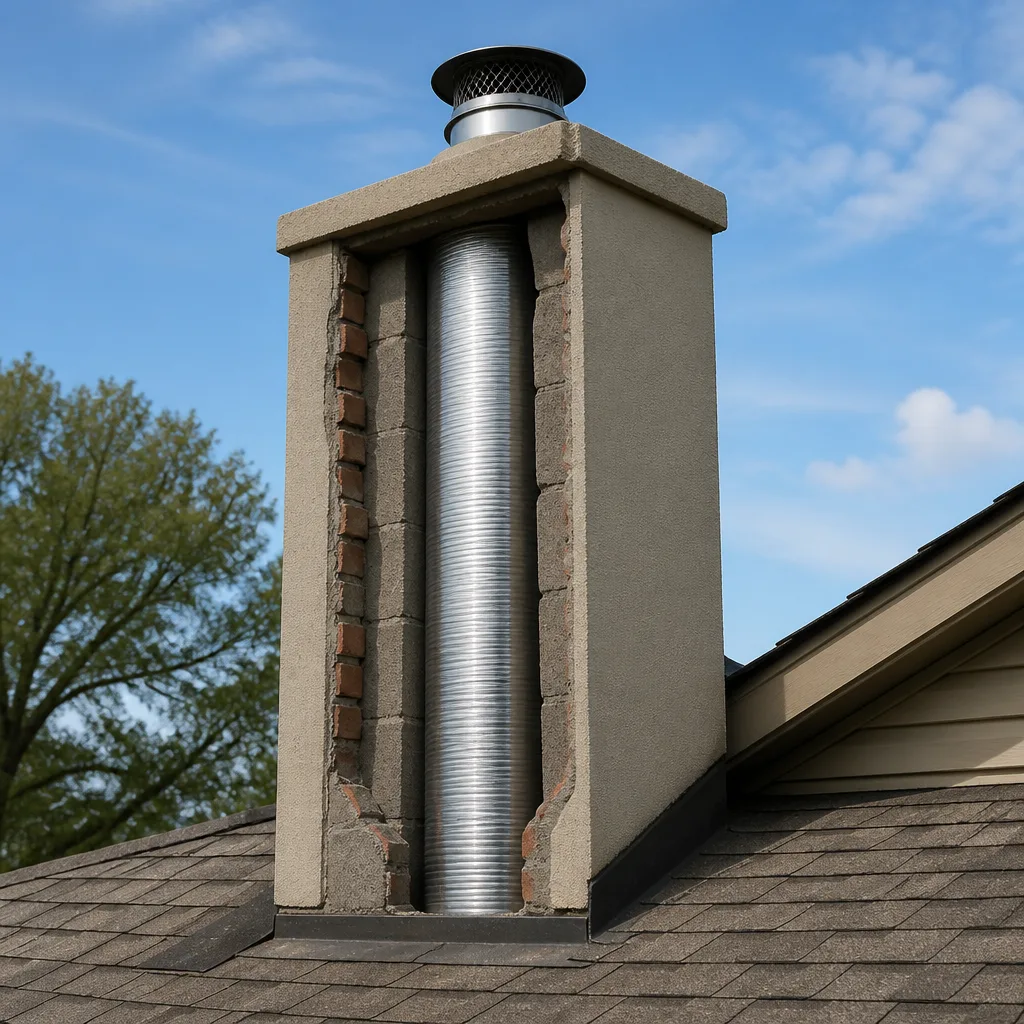
Flue Liner Surface Condition
The flue liner is the clay, metal, or refractory channel that carries combustion gases from firebox to cap. A sweep inspects it from the top down and bottom up with a high-output flashlight. What they’re looking for:
- Cracked or shifted clay tiles
- Corrosion or separation in stainless steel liners
- Gaps between liner sections
- Creosote buildup classification (Class I, II, or III)
Class I creosote is sooty, dry, and brushes off easily. Class II is crunchy, flaky, and requires more aggressive removal. Class III is glazed, tar-like, and often requires chemical treatment before mechanical removal. In Sherman Oaks, where many homeowners burn Duraflame logs or compressed firelogs for convenience, we’ve seen accelerated Class III formation - these products burn at lower temperatures and produce more condensable hydrocarbons than seasoned hardwood.
A flashlight inspection can identify Class I and most Class II buildup. Class III glaze in the upper third of the flue, where temperatures drop and condensation increases, often appears only as shadow or discoloration without camera magnification.
Smoke Chamber and Shelf
The smoke chamber is the area above the damper and below the flue liner - the inverted funnel that directs smoke into the flue. The smoke shelf is the horizontal ledge at the bottom of this chamber. These areas collect:
- Fallen debris from previous fires
- Creosote drips from the flue above
- Nesting material if the cap has failed
- Water damage from leaks
The smoke chamber is where many chimney fires begin. It’s also where a flashlight inspection reaches its limit. A sweep can see the chamber walls and shelf surface, but the back wall - the throat area where the chamber narrows into the flue - requires mirror work or camera access for full evaluation.
Damper Operation and Seal
The damper must open fully, close fully, and seal reasonably when closed. A flashlight and physical test verify:
- Does the damper plate move freely through its full range?
- Does it sit flat in the closed position, or does light show around the edges?
- Is the control mechanism (handle, chain, or rotary) intact and properly attached?
- Is there rust, warping, or cracking in the metal?
A damper that won’t fully close costs you conditioned air year-round. In Sherman Oaks, where summer cooling loads are significant, a leaking damper can add $150-300 annually to electricity bills. More critically, a damper that won’t fully open restricts draft and can push combustion gases into the living space.
Firebox Refractory Panel Condition
Prefabricated fireplaces have refractory panels that simulate firebrick. These panels crack, erode, and eventually require replacement. A sweep measures remaining thickness against manufacturer specifications. Factory-built fireplace panels below 1/4 inch thickness need replacement - not repair, replacement. We’ve seen homeowners in the Sherman Oaks area attempt patching with refractory cement; this voids manufacturer warranty and creates a liability if the panel fails during a fire.
Tier Three: Camera-Scan Documentation - The Hidden Inspection
This is where most checklists fail. They tell you to “check the flue liner” without acknowledging that 60% or more of the liner’s surface is invisible without a camera. The NFPA 211 Level 2 inspection - the standard we’ve operated under since 2009 - requires video scanning of the entire flue interior. This is not an upgrade. In our practice, it’s the baseline.
Upper Flue Liner: The Blind Zone
From the firebox, you can see perhaps the bottom third of the flue. From the roof, looking down, you can see the top third in daylight. The middle third - and the critical transition where the flue passes through the attic or ceiling framing - is accessible only by camera. What we document in this zone:
- Hidden cracks in clay tile liners, especially at mortar joints
- Corrosion pitting in stainless steel liners
- Displacement from seismic activity or improper support
- Creosote accumulation patterns that indicate drafting problems
In 2023, we camera-scanned a chimney in the Magnolia Woods area of Sherman Oaks where the homeowner had received a clean flashlight inspection six months prior. The camera revealed a 14-inch vertical crack in the upper flue liner, directly above a bedroom ceiling. No external indication. No draft problem reported. The crack was producing slow, chronic CO migration into the wall cavity. This is why Clause 4 of the Haven Standard requires a photo record on every job - not as documentation of what we did, but as evidence of what we found.
Mortar Joint Integrity Between Flue Tiles
Clay tile liners are stacked in sections with mortar joints. These joints erode from thermal cycling and acid condensation. A camera at close range reveals:
- Missing mortar allowing gas leakage between liner and chimney structure
- Shifting tiles creating step offsets that catch creosote
- Root intrusion in older chimneys with deteriorated outer mortar
Gas migration through failed mortar joints is the primary mechanism for structure fires originating in chimneys. The camera finds it. A flashlight cannot.
Smoke Chamber Thoroughfare and Parging
The smoke chamber’s corbelled brick or refractory shape creates shadowed recesses. A camera with articulating head examines:
- Integrity of parging (the smooth refractory coating that improves airflow)
- Exposed corbel steps that create turbulence and creosote deposition
- Cracks or gaps at the chamber-to-flue transition
We use the camera footage to show homeowners exactly what we’re describing. When we recommend smoke chamber parging with HeatShield refractory coating, the footage demonstrates the exposed corbels and turbulence patterns. The decision becomes informed, not pressured.
Documented Record: What You Receive
Every Emberly inspection produces:
- Complete camera-scan video file, stored in our archive and available to you
- Timestamped still images of every finding
- Written condition assessment with specific locations and measurements
- Written scope of recommended work with line-item pricing
- Written warranty for any work performed
This documentation set satisfies insurance inquiries, real estate disclosure requirements, and your own long-term maintenance tracking. We’ve retrieved records from 2012 for homeowners selling properties - the documentation outlasts memory and changes in property management.
Sherman Oaks Triggers That Accelerate Your Schedule
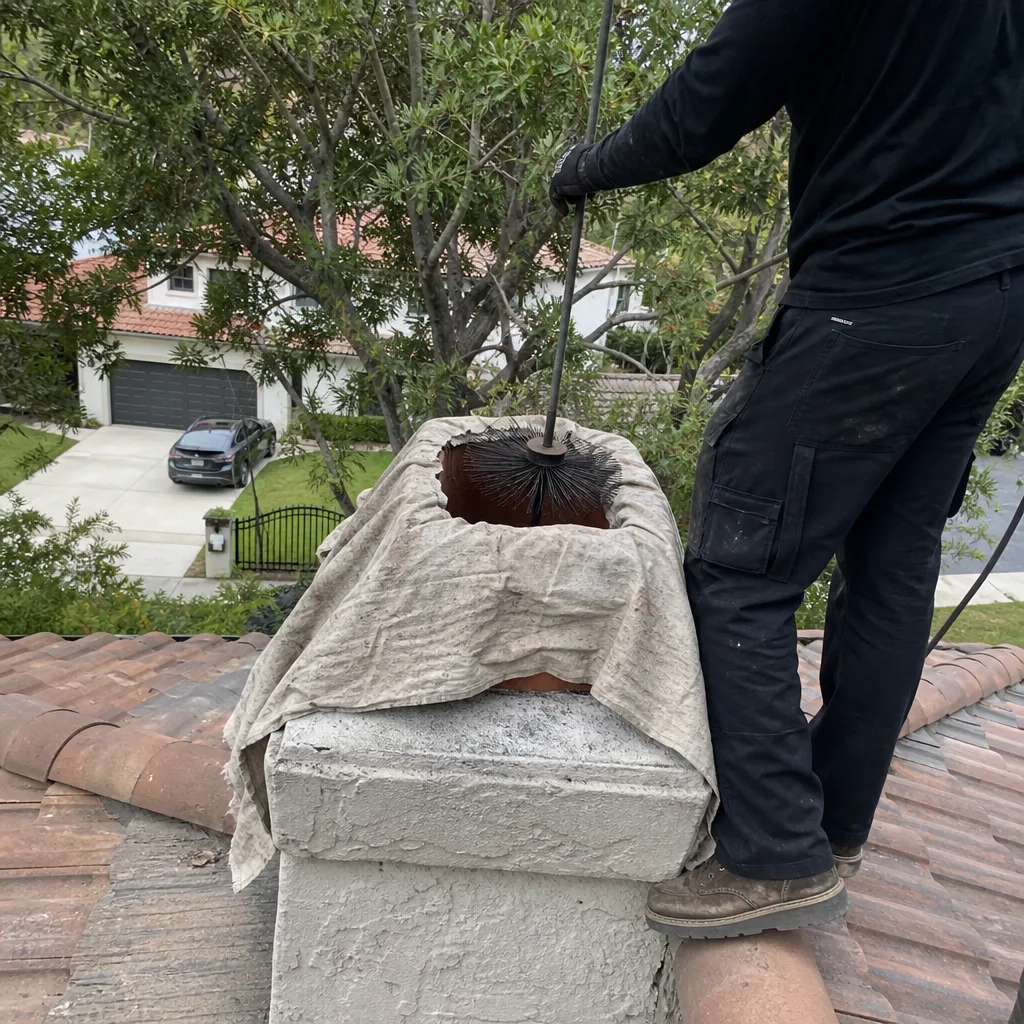
Annual inspection is the baseline. Certain conditions in Sherman Oaks move items from “check at next service” to “schedule immediately.”
Seismic Activity
The Sierra Madre fault zone and associated blind thrust faults produce perceptible shaking several times per year. After any event you feel, or any reported magnitude 3.0+ within 25 miles, perform Tier One checks and schedule Tier Two/Three service within 30 days. Chimneys are rigid structures on flexible structures (houses). Shear forces concentrate at the roofline and at flue liner joints. We’ve documented liner displacement after events the homeowner barely noticed.
Santa Ana Wind Events
The Santa Ana pattern - hot, dry, high-velocity easterly winds - occurs primarily October through March. Peak gusts in Sherman Oaks regularly exceed 50 mph. These winds:
- Dislodge or tilt chimney caps
- Drive fine debris (palm frond fibers, leaf litter) into mesh openings
- Deposit red-flag fire weather conditions that make any chimney hazard acute
After any Santa Ana event with gusts above 40 mph, verify cap position and mesh condition from the ground. If you used your fireplace during the event - common during cold Santa Ana conditions - schedule inspection within two weeks. The combination of high draft demand and potential cap damage creates risk concentration.
Wildlife Nesting Season
The Sepulveda Basin Wildlife Reserve and adjacent hillside corridors support active populations year-round, with peak nesting March through June. Raccoons can dislodge a poorly secured cap. Swifts and owls enter through mesh gaps. Bees and wasps establish hives in unused flues. A cap inspection in February, before peak season, prevents mid-season emergencies.
Post-Purchase Verification
If you bought your Sherman Oaks home between 2015 and 2025 and have no documentation of prior service, schedule a full Tier Three inspection before first use. Home inspection reports typically include a visual-only chimney assessment - flashlight from the bottom, possibly binoculars from the ground. They do not include camera documentation. We’ve found critical liner defects in homes that passed standard home inspection within the prior 12 months.
Cap and Crown: The Most Overlooked Items on Any Checklist
Most checklists mention “check cap” and “check crown” as single-line items. The actual inspection involves multiple sub-items, and the distinction between cap and crown matters for both diagnosis and cost.
Cap Inspection Items
- Material and manufacturer: stainless steel, galvanized steel, or copper? Gelco and Olympia Chimney caps carry lifetime warranties on material; galvanized caps in Sherman Oaks typically corrode within 7-10 years
- Mounting method: slip-in, screw-mounted to flue tile, or base-mounted to crown? Each has different failure modes
- Mesh specification: 3/4 inch for standard use, 5/8 inch where ember control is critical, 1/2 inch where wildlife intrusion is recurrent
- Damper integration: top-sealing dampers (like certain Gelco models) combine cap and damper functions; these require specific inspection protocols
Crown Inspection Items
The crown is concrete, not mortar. Mortar crowns - slathered-on mortar mix rather than poured concrete with proper reinforcement - fail predictably. In Sherman Oaks, where summer UV exposure accelerates surface degradation, we’ve replaced mortar crowns after 3-5 years while proper concrete crowns last 20+.
Specific crown checks:
- Overhang: does the crown extend beyond the chimney brick by at least 2 inches with a drip edge?
- Slope: does the crown shed water away from the flue, or does it pool?
- Expansion gap: is there a visible gap between flue tile and crown material, filled with flexible sealant?
- Thickness: is the crown at least 2 inches thick at its thinnest point?
Crown shrinkage specific to the San Fernando Valley’s heat-cycle range produces characteristic radial cracking from the flue tile outward. This pattern differs from structural settlement cracking, which typically follows mortar joints. The distinction determines repair method: shrinkage cracks receive flexible sealant and monitoring; settlement cracks indicate foundation evaluation.
When crown replacement is needed, we specify poured concrete with wire reinforcement and proper expansion gap detail, not mortar parge. The price difference is $200-400; the lifespan difference is 15-20 years.
What to Record and Store After Every Service Visit
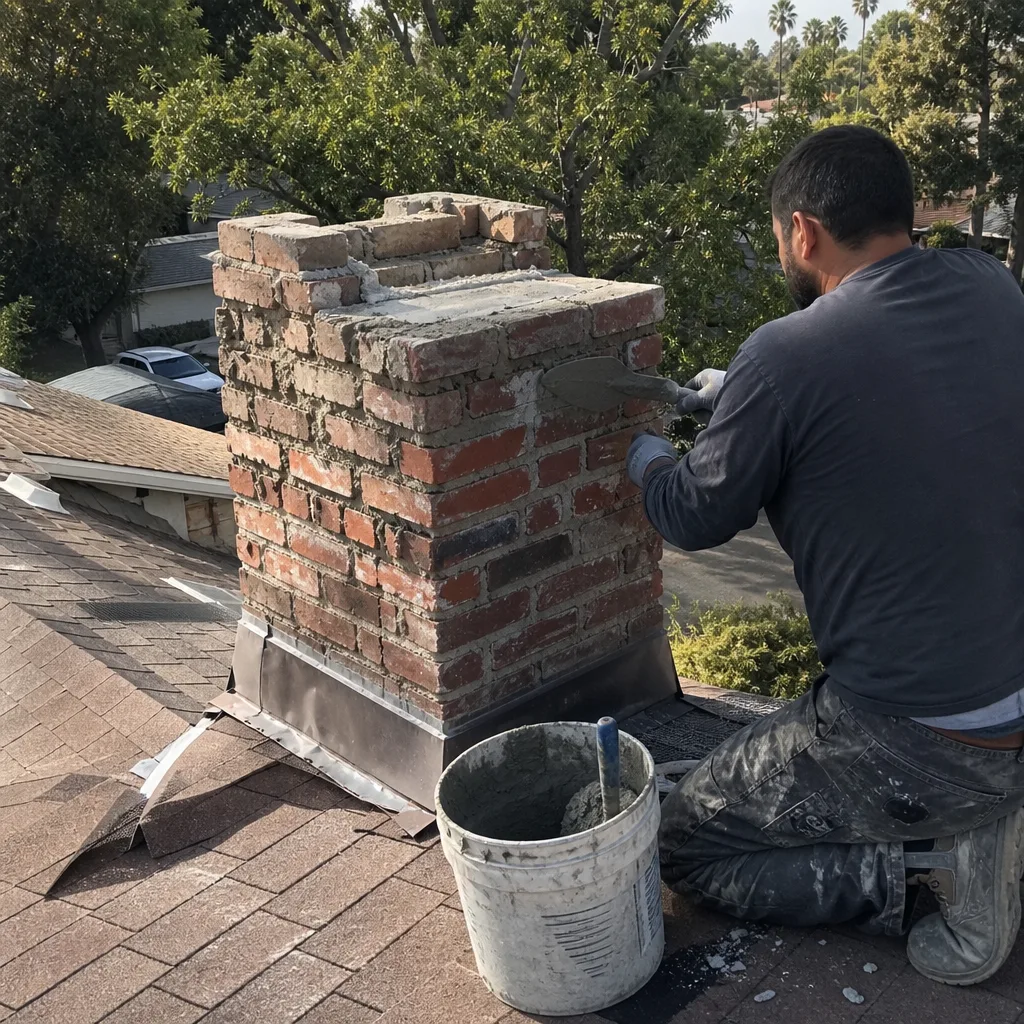
A checklist you can’t reference next year is a conversation you can’t remember; see our more guides & resources for additional reference materials. The document set from each service visit becomes your property’s maintenance record and your protection in disputes.
The Essential Documents
| Document | What It Contains | Why You Keep It |
|---|---|---|
| Written Price and Scope | Line-item costs, materials specified, work start and completion dates | Proof of agreement; warranty claim basis |
| Camera-Scan Video | Complete flue interior footage with audio narration | Baseline for future comparison; insurance evidence |
| Still Photo Record | Timestamped images of findings and completed work | Quick reference; real estate disclosure |
| Written Warranty | Coverage terms, duration, transferability | Protection; resale value documentation |
| NFPA 211 Inspection Report | Standardized condition coding, recommendations, hazard ratings | Insurance compliance; code authority response |
Store these digitally with cloud backup. Paper files degrade; digital files survive property management changes. We maintain our own archive of every inspection since 2009 - over 38,000 chimney records - and can reproduce documentation for any prior customer on request. But your own copy ensures access regardless of contractor continuity.
Insurance Inquiry Response
Homeowner’s insurance increasingly requests chimney documentation after claims or at renewal. The specific items that satisfy underwriters:
- Date of most recent NFPA 211 Level 2 inspection (not just “cleaned”)
- Camera documentation of flue liner condition
- Written clearance stating the chimney is “safe for intended use”
- Documentation of any repair work with installer warranty
Without these, we’ve seen insurers impose chimney exclusion riders or require inspection at homeowner expense before renewal. The documentation you collect today prevents the scramble tomorrow.
Using This Checklist to Vet Your Chimney Contractor
The checklist is also a screening tool. A legitimate sweep working to proper standards will verify certain items unprompted. Their willingness to document and explain these items indicates their operating standard.
Items a Professional Should Verify Without Being Asked
- Cap mounting security and mesh condition - noted before any interior work begins
- Crown condition with specific description of crack pattern, not just “cracked” or “OK”
- Flue liner identification - clay tile, stainless steel, or unlined? Specific dimensions?
- Creosote classification by type and location, not just “needs cleaning”
- Damper operation test with specific findings
- Smoke chamber access and condition, including parging status
If your sweep reports “everything looks fine” without specifying what they looked at, or describes findings without showing you evidence, this is a signal. The Haven Standard Clause 1 requires written price, scope, and warranty before work starts - not after the tech is in your home. Clause 4 requires photo documentation as standard, not an optional add-on. These aren’t marketing claims; they’re operational protocols we’ve followed since 2009.
Red Flags in Contractor Behavior
- Refusal to provide written estimate before starting work
- Recommendation of major repair (liner replacement, rebuild) without camera evidence
- Pressure to decide immediately - “I can do it today for less”
- No license number displayed on vehicle, invoice, or website
- Unable or unwilling to identify liner manufacturer or material
Our Emberly Chimney Cleaners Sherman Oaks home page displays our license information; our technicians arrive in marked vehicles with license number visible. Background checks and uniform standards are part of the H.A.V.E.N. protocol - Verified crews, Arrive on schedule. You receive a text when your technician is en route with name and photo.
What Chimney Maintenance Costs in Sherman Oaks
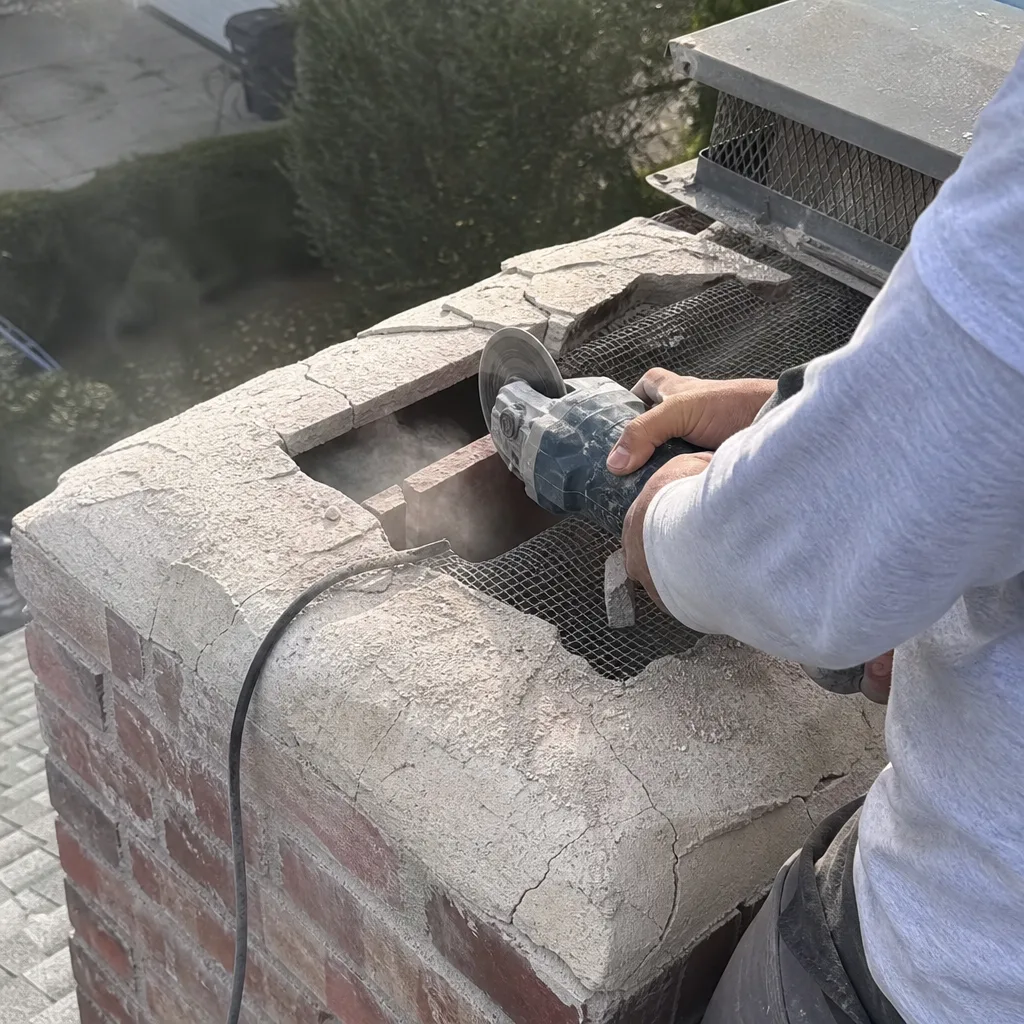
Pricing transparency is central to how we operate. The ranges below reflect Sherman Oaks market conditions as of 2024-2025, including labor rates and material costs specific to the Los Angeles metro area.
| Service | Typical Range | What Affects Price |
|---|---|---|
| Chimney cleaning and sweep (Tier Two) | $199 – $289 | Number of flues, creosote class, accessibility |
| NFPA 211 Level 2 inspection with camera scan (Tier Three) | $289 – $389 | Chimney height, flue configuration, documentation delivery |
| Combined sweep and Level 2 inspection | $349 – $449 | Package pricing when scheduled together |
| Crown repair (sealant and monitoring) | $299 – $549 | Crack extent, crown material, access difficulty |
| Crown replacement (poured concrete) | $1,200 – $2,400 | Chimney dimensions, reinforcement needs, finishing |
| Stainless steel cap (Gelco or Olympia Chimney) | $349 – $649 installed | Size, mesh specification, damper integration |
| Smoke chamber parging (HeatShield) | $1,800 – $2,800 | Chamber size, corbel exposure, access |
| Flue liner repair or replacement | $2,800 – $6,500 | Liner type, length, diameter, installation method |
These are ranges, not quotes. Every job receives a written, line-item price before work begins - Haven Standard Clause 1. No exceptions. If you have a competitor’s written estimate, we provide a Free Second Opinion with no obligation.
Materials matter for durability and warranty. We source through Haven’s buying network from DuraFlex, HeatShield, Gelco, Olympia Chimney, Famco, and Copperfield specifically to keep customer prices honest - not to cut corners with unbranded alternatives that fail in 3-5 years.
Common Mistakes to Avoid
- Assuming a clean firebox means a clean flue. The firebox is where you see; the flue is where the hazard forms. We’ve cleaned fireboxes that looked pristine while the upper flue carried Class III glazed creosote.
- Using the “chimney sweep log” as maintenance substitute. These products loosen light creosote but do not remove it. The loosened material falls to the smoke shelf, where it can ignite. They’re a supplement between professional sweeps, not a replacement.
- Ignoring the crown because the cap looks fine. The cap protects the flue opening; the crown protects the chimney structure. A failed crown destroys the chimney from the top down, cap or no cap.
- Scheduling inspection only when selling. Real estate inspections are rushed, often visual-only, and performed for transaction clearance rather than safety. The homeowner who used the chimney for five years without inspection bears the risk of those five years.
- Accepting verbal estimates for major work. Liner replacement, rebuild, or extensive repair without written scope and warranty is unenforceable. Haven Standard Clause 1 exists because we saw too many homeowners left without recourse.
- Neglecting post-earthquake checks. The 2019 Ridgecrest sequence produced chimney damage in Sherman Oaks homes 150 miles from the epicenter. Microseismicity is routine; cumulative damage is real.
- Burning unseasoned wood or firelogs exclusively. Moisture content above 20% or sustained low-temperature burning produces acidic condensation and accelerated creosote. Sherman Oaks has no shortage of delivered “seasoned” wood that isn’t.
When to Call a Professional
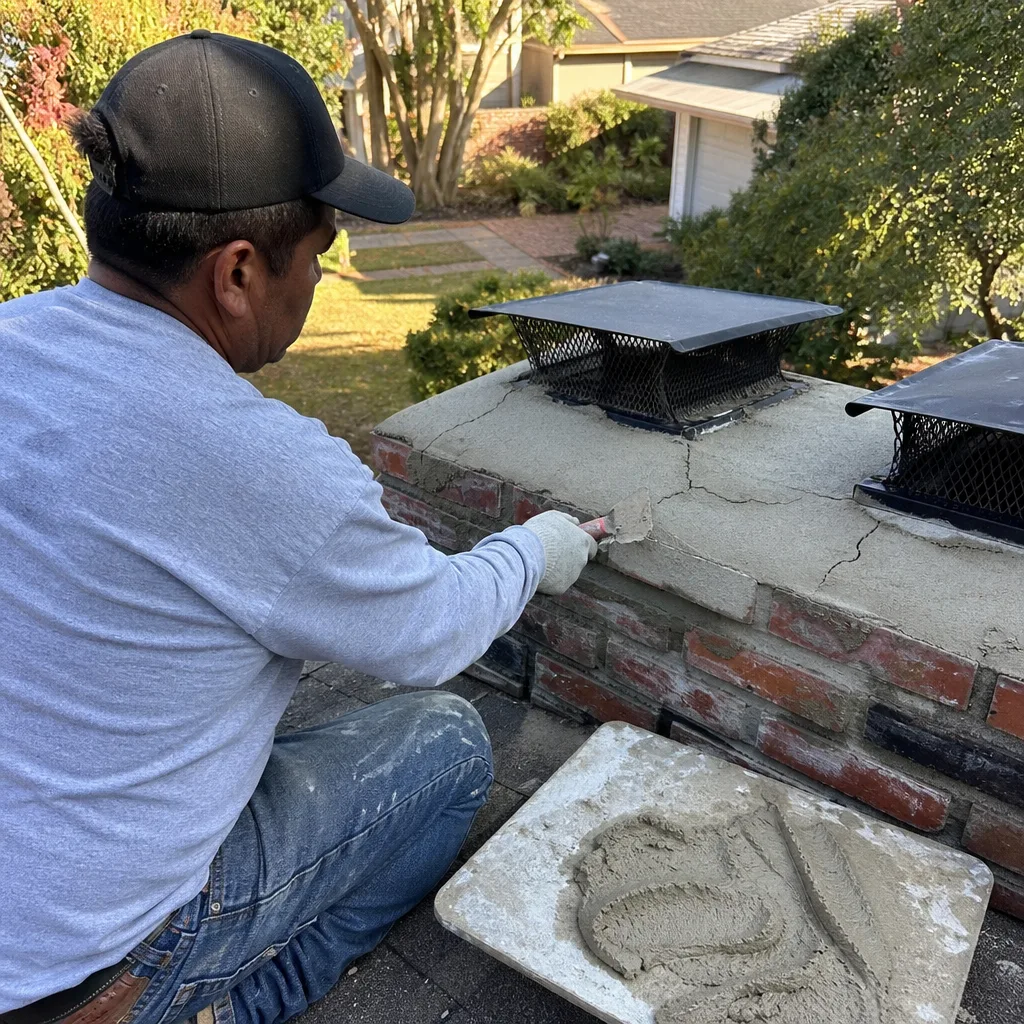
Schedule Tier Two/Three service immediately if you observe: smoke entering the room during fireplace use, visible cracks in the firebox or hearth, a tilting or separated chimney structure, animal sounds or odors from the flue, water staining on walls or ceiling near the chimney, or any of the Tier One findings described above after seismic activity or Santa Ana wind events.
Emberly Chimney Cleaners Sherman Oaks offers free estimates in Sherman Oaks - call (424) 414-6048. Calls are answered by a live person 24 hours a day, 7 days a week. We’ll schedule your inspection, assign a named technician, and send a text when they’re en route. Every visit includes camera-scan documentation and a written price before any work begins.
Frequently Asked Questions
A standard chimney sweep in Sherman Oaks typically runs $199 to $289 for a single flue, depending on creosote class and accessibility. When combined with an NFPA 211 Level 2 camera inspection, package pricing usually falls between $349 and $449. Call (424) 414-6048 for an exact quote - estimates are free.
The NFPA 211 standard calls for annual inspection, with cleaning frequency determined by use and fuel type. A gas fireplace used occasionally may need only inspection; a wood-burning fireplace used weekly during season typically needs annual sweeping. In Sherman Oaks, add an inspection after any seismic event, Santa Ana wind event with gusts above 40 mph, or wildlife nesting discovery.
You need a new liner only if the existing liner is damaged, deteriorated, or absent - and this determination requires camera documentation, not a flashlight guess. We’ve declined liner replacement where competitors recommended it, because the camera showed intact clay tile with minor, monitorable cracking. Nothing is recommended without camera evidence you can see for yourself, and we plainly state when work can safely wait. Call (424) 414-6048 for a second opinion on any written estimate.
Skipped maintenance produces three cumulative risks: chimney fire from ignited creosote (most common in January-February after heavy seasonal use), carbon monoxide intrusion through cracked liners or failed mortar joints, and structural damage from water intrusion through crown or cap failures. The first two can be fatal; the third can require $10,000+ rebuild. Annual inspection catches all three in preventable stages.
Consumer inspection cameras ($50-200) can reach the flue bottom but lack the lighting, articulation, and resolution to evaluate liner condition meaningfully. More critically, interpretation requires training: distinguishing crack types, creosote classes, and normal wear from hazardous deterioration. Use Tier One checks yourself; leave Tier Two and Three to equipped professionals. For genuinely dangerous work involving ladder access and roof proximity, the injury risk exceeds any savings.
A Level 1 inspection is visual and accessible-surface only - appropriate for annual maintenance of chimneys with no changes in use or condition. A Level 2 inspection adds camera scanning of the entire flue interior, accessible portions of the chimney exterior, and specific checks for clearances to combustibles. It’s required at property sale, after chimney fire or seismic event, or upon change in fuel type. In Sherman Oaks, we perform Level 2 as our default because the camera findings routinely change the assessment.
The Bottom Line
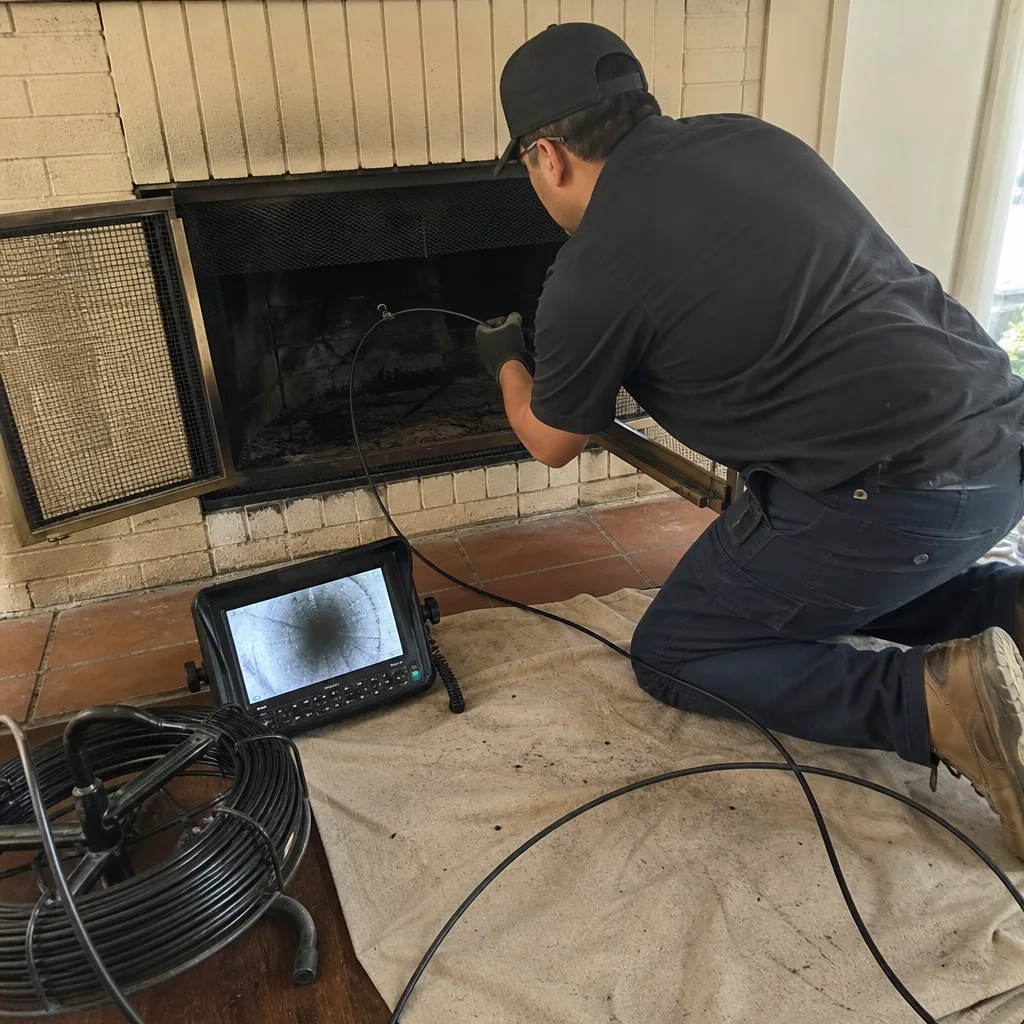
A chimney maintenance checklist organized by inspection method - naked eye, flashlight and sweep, camera documentation - gives Sherman Oaks homeowners a framework that matches effort to verifiability. The items you can check yourself prevent obvious hazards. The items requiring professional equipment and training find the hidden ones. The items demanding camera documentation protect against the failures that kill people: cracked liners, gas migration, structural compromise after seismic activity. Annual service should include all three tiers. After Santa Ana winds, earthquake activity, or wildlife nesting season, the camera tier becomes non-negotiable. Document everything. Verify everything. And never accept a recommendation for major work without evidence you can see for yourself.
Written by Corrine Halstead, Owner at Emberly Chimney Cleaners Sherman Oaks, serving Sherman Oaks since 2009.