
Last updated September 21, 2026
Level 1 sweep and inspection to the NFPA 211 annual standard - flue, crown, cap, and flashing checked and photographed
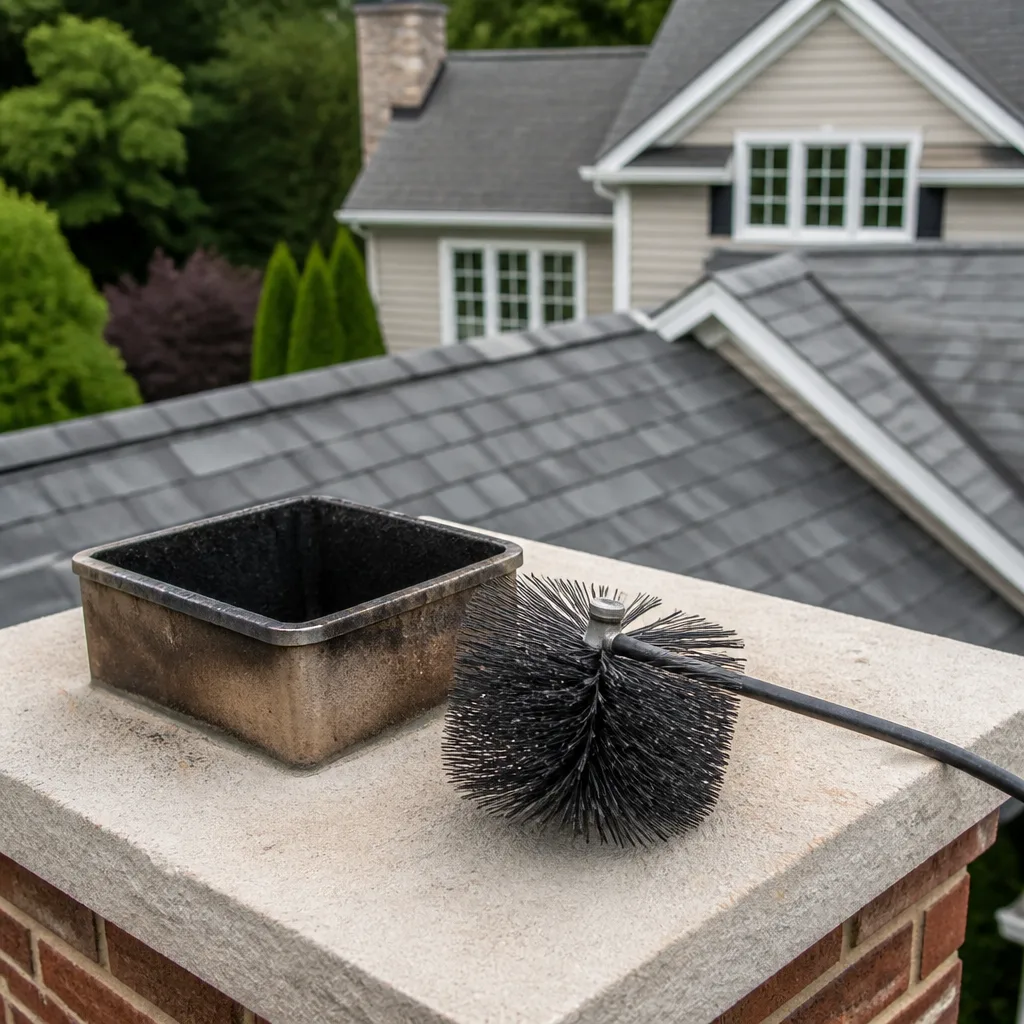
Chimney sweep logs do not sweep chimneys. They loosen some creosote - which then falls where a brush and vacuum still have to collect it.
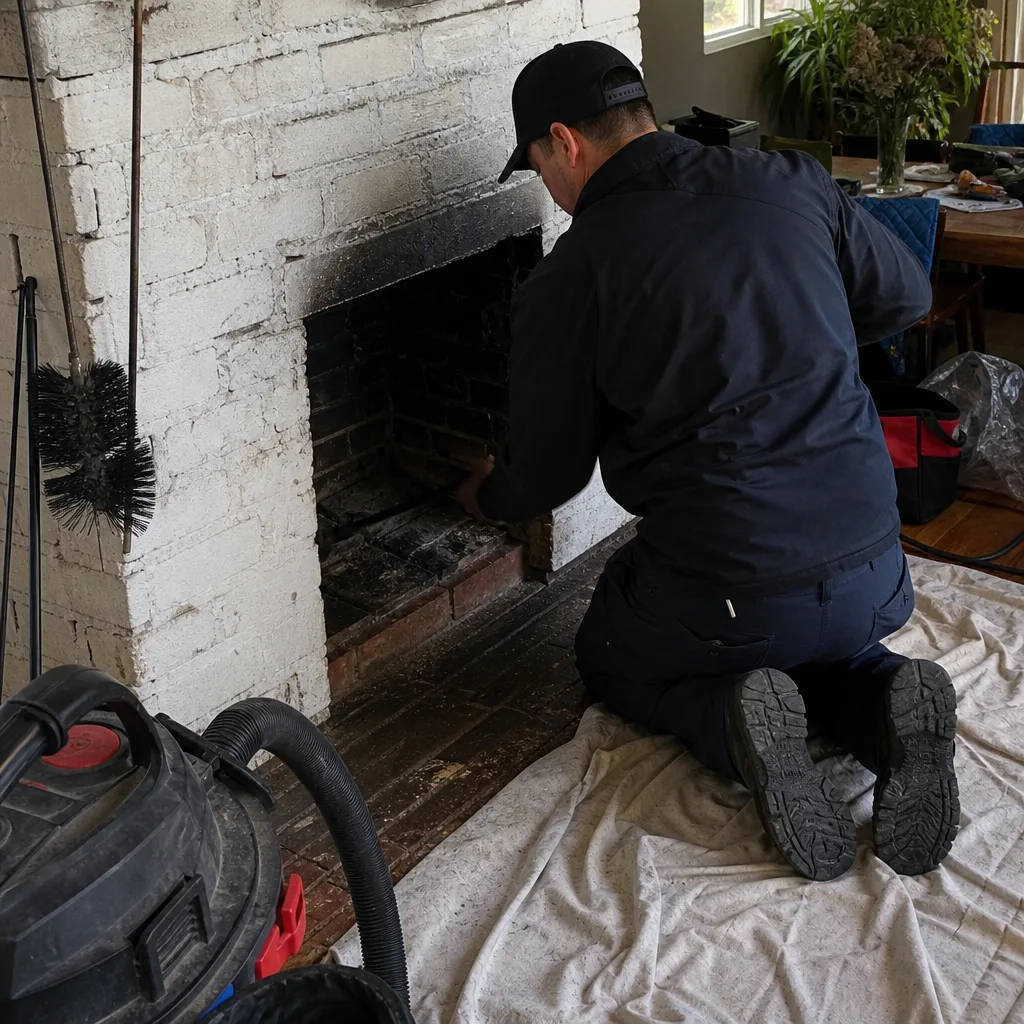 Before
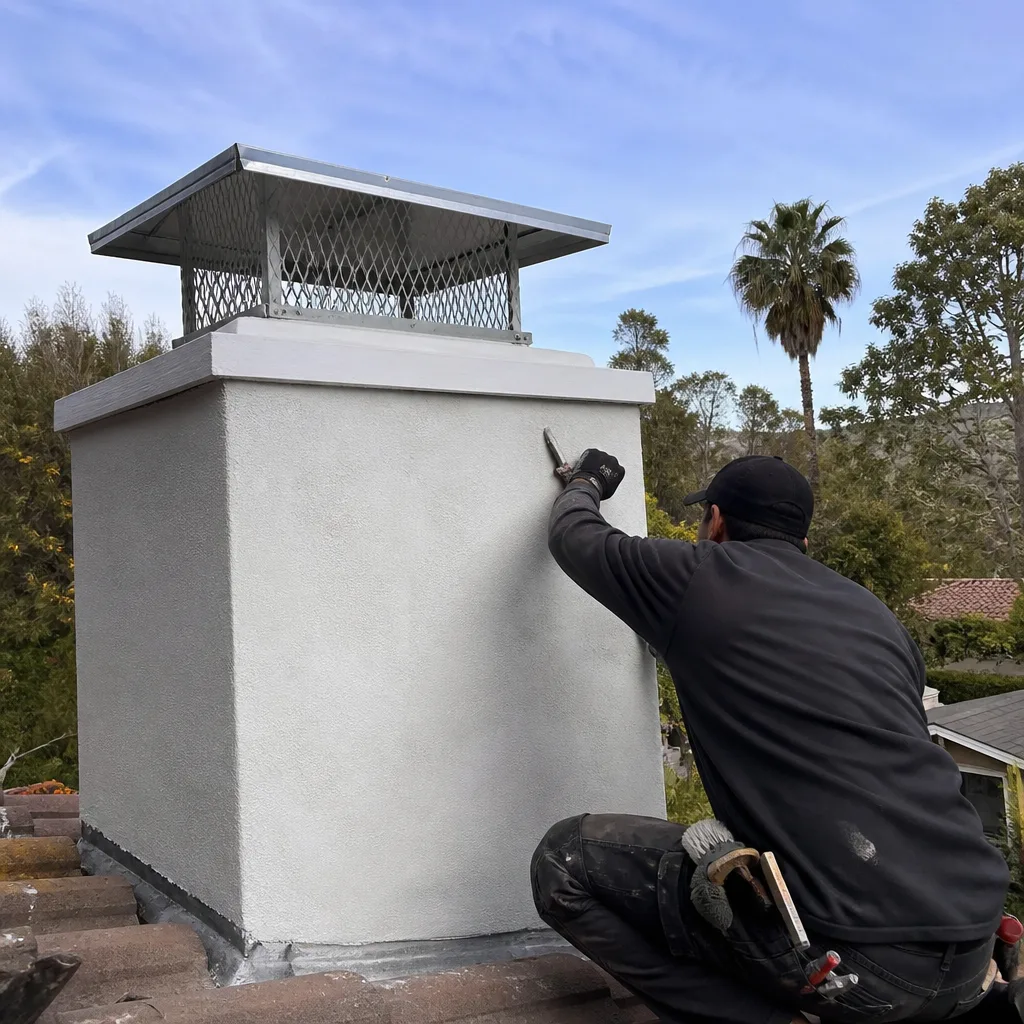 After
After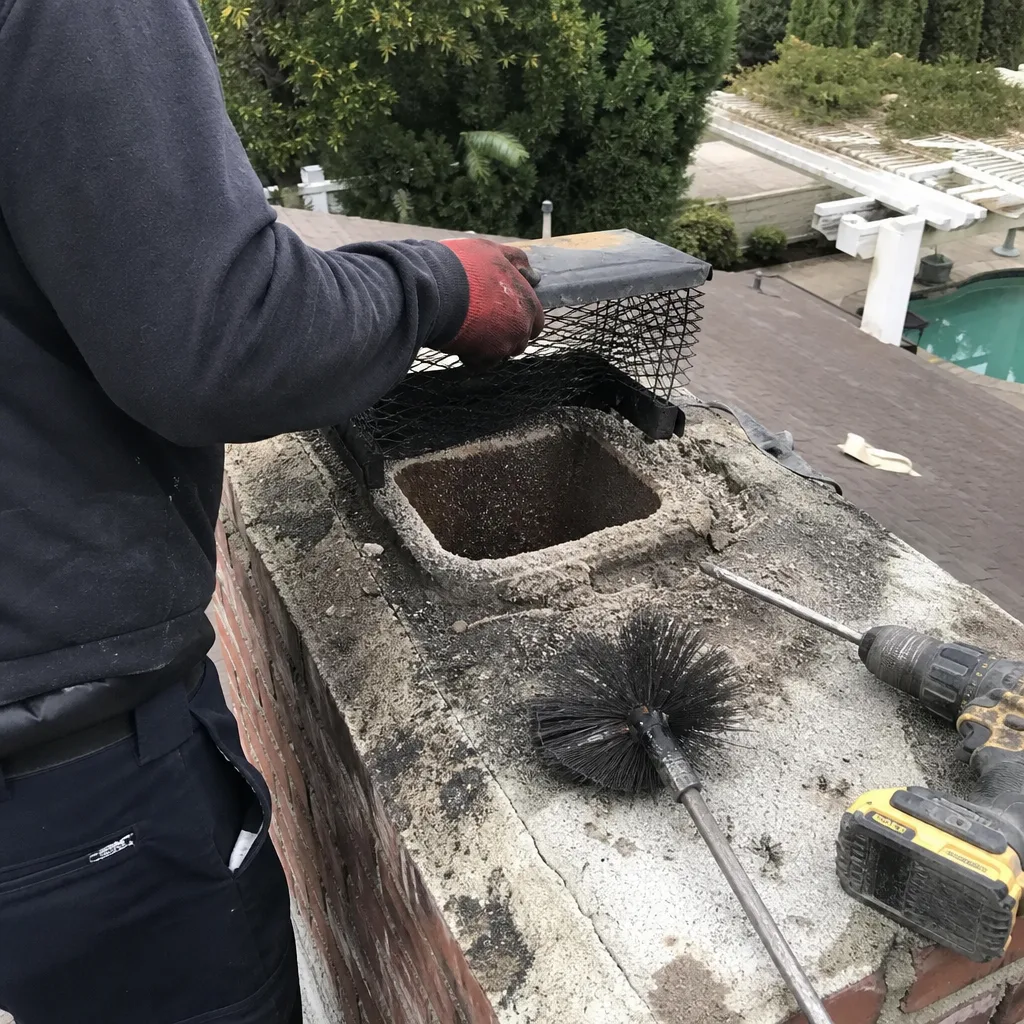 Before
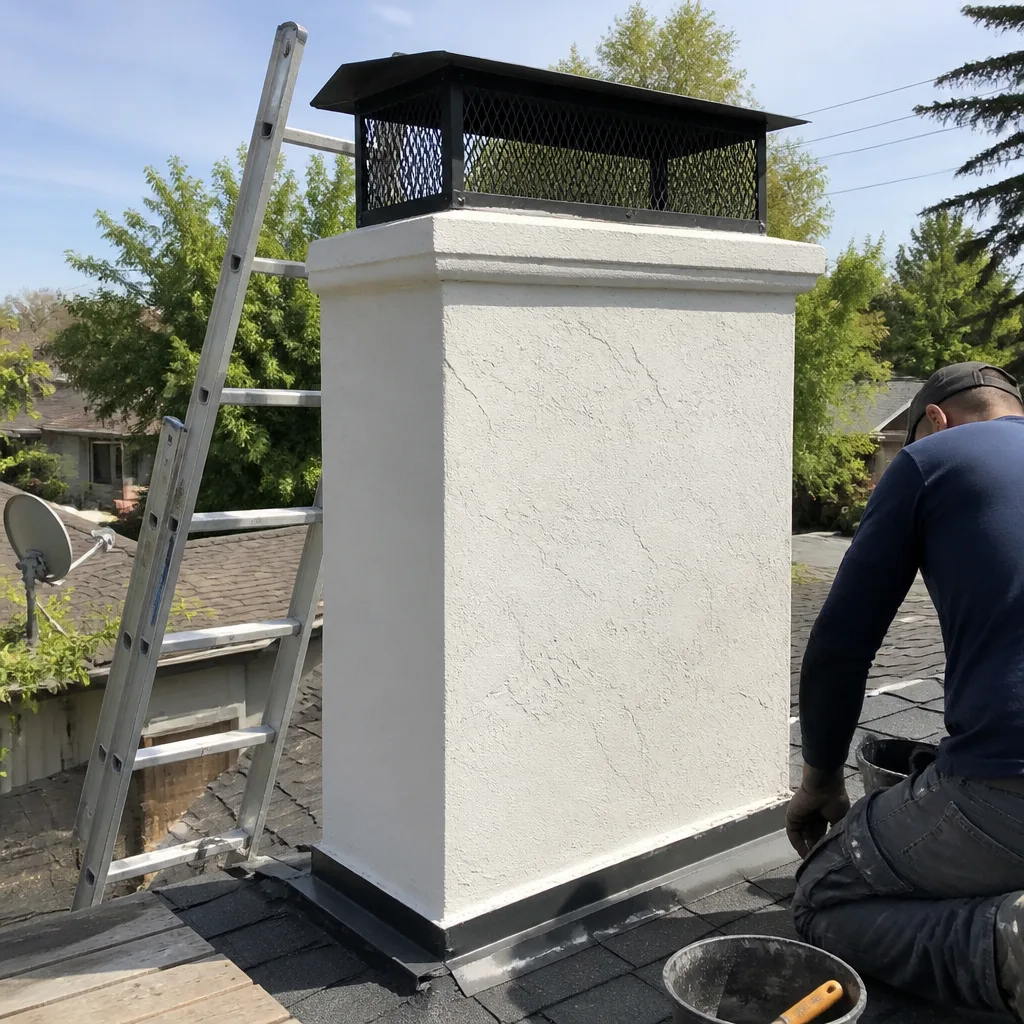 After
After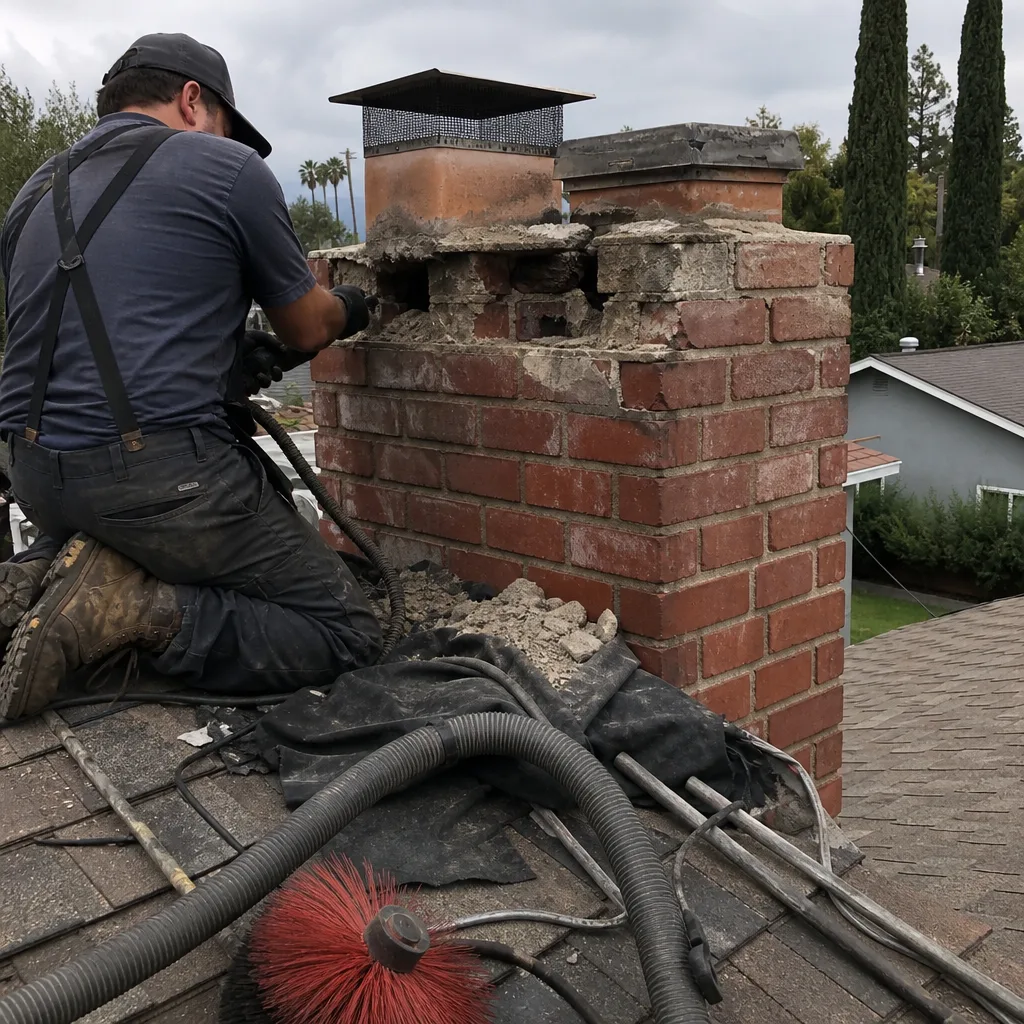 Before
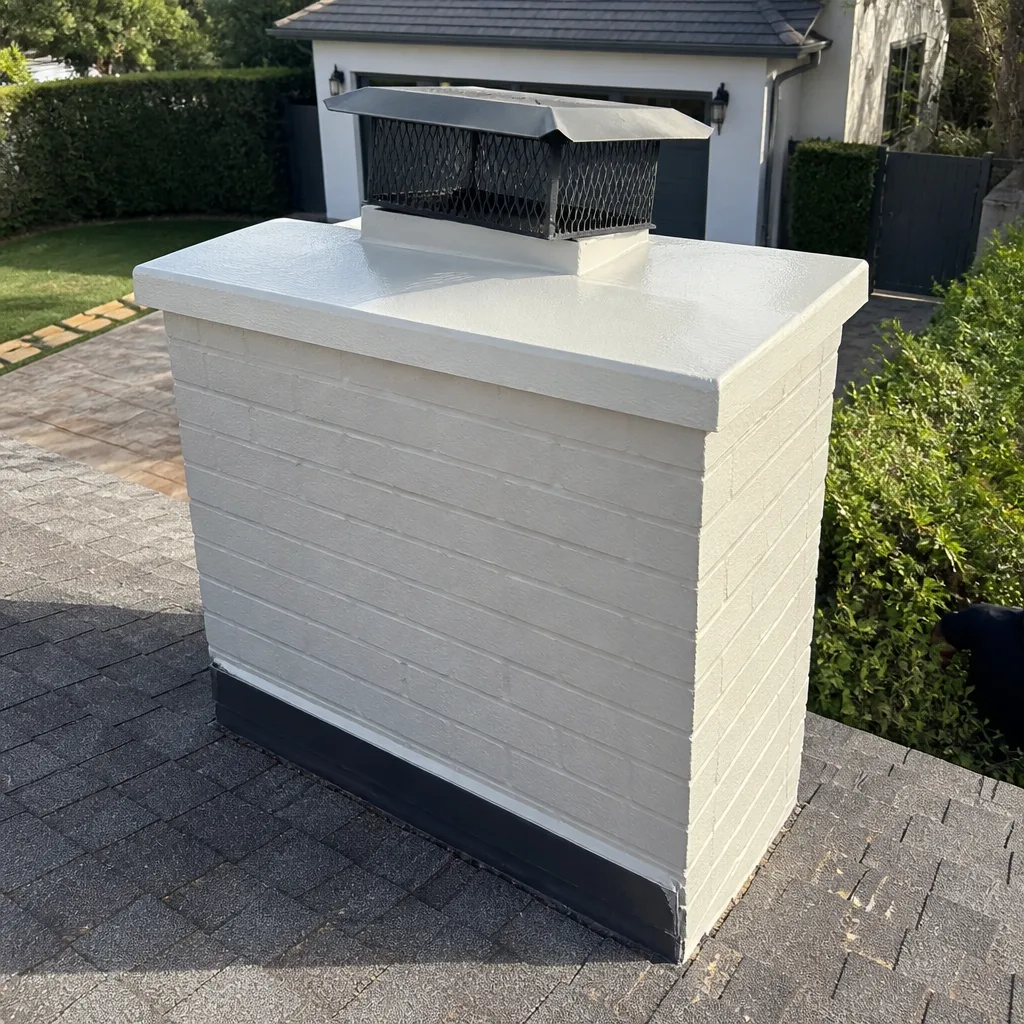 After
AfterSeasonal Chimney Cleaning Care for Sherman Oaks: Year-Round Homeowner’s Guide
The standard advice is “schedule your chimney cleaning before fall.” In Sherman Oaks, that’s already too late. The Santa Ana winds that drive fire risk arrive in September and October, often before the first cool evening tempts anyone to light a fire. A homeowner who books for late October may be burning through a flue that hasn’t been inspected since last winter, while creosote from the previous season sits ready to ignite. This guide maps chimney maintenance to Sherman Oaks’s actual four stress periods - fire season prep, active burn season, spring nesting and moisture intrusion, and summer heat-cycling - so you maintain ahead of damage rather than react to it. For a detailed seasonal checklist, see our Chimney Sweep Maintenance Checklist for Sherman Oaks Homeowners.
Quick Answer
Chimney cleaning in Sherman Oaks should happen in August or September, before Santa Ana conditions arrive and before AQMD permits wood burning on No-Burn days. A rolling 12-month maintenance cycle - pre-season camera inspection, mid-season monitoring, spring cap and screen check, and summer crown inspection - prevents the four local failure modes: creosote ignition, moisture intrusion, wildlife blockage, and thermal mortar degradation. Annual service costs $189-$349 for a standard sweep with Level 2 camera inspection in the Sherman Oaks market.
Table of Contents
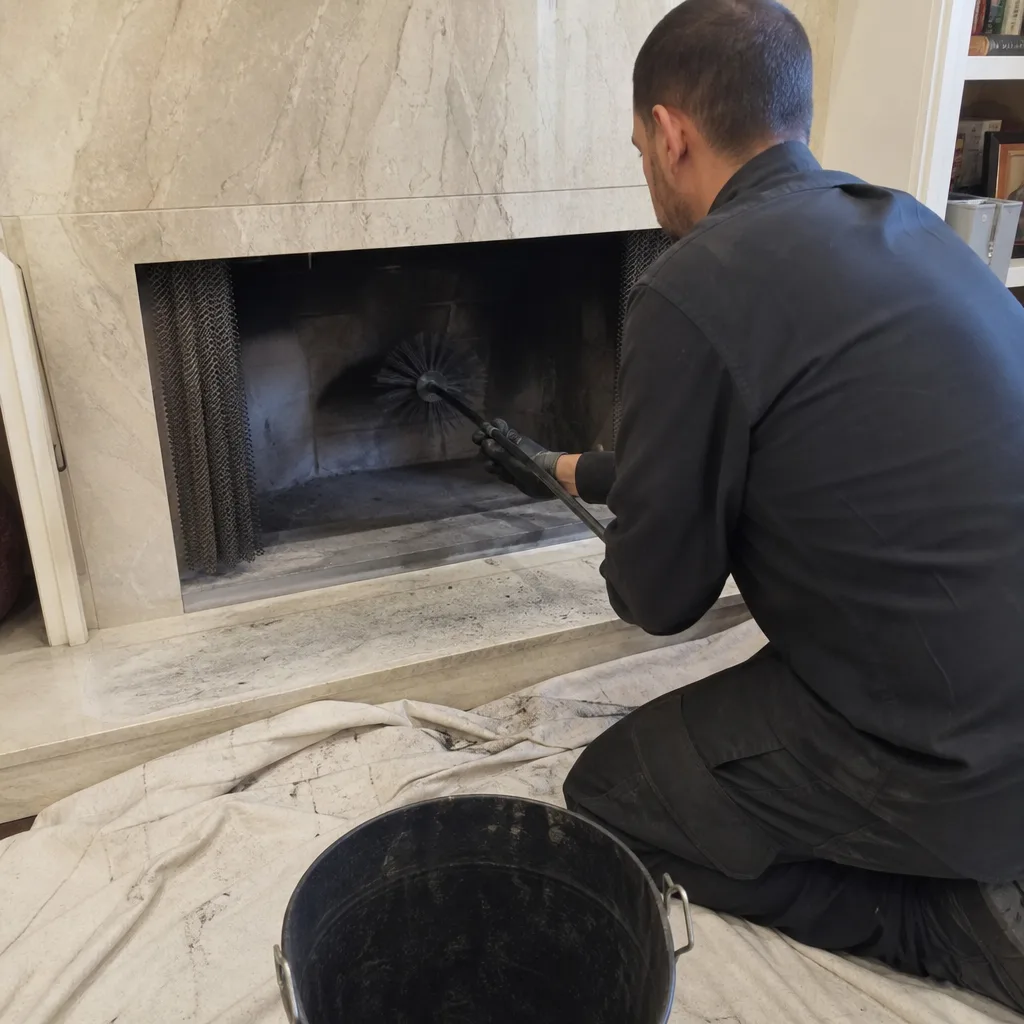
- August-September: The Correct Service Window for Sherman Oaks
- November-February: Active Burn Season in Mild-Cold Conditions
- March-May: Wildlife Intrusion and Moisture Season
- June-July: Thermal Cycling Damage When You’re Not Burning
- Building a Rolling 12-Month Documentation Record
- What Chimney Maintenance Costs in Sherman Oaks
- Common Mistakes to Avoid
- When to Call a Professional
- Frequently Asked Questions
BeforeAfterAugust-September: The Correct Service Window for Sherman Oaks
Most of the country books chimney sweeps in October. In Sherman Oaks, that’s a gamble with two variables you don’t control.
First, the Santa Ana winds. These dry, hot easterlies peak between September and December, with October historically seeing the strongest sustained periods. A chimney with accumulated creosote - the tar-like byproduct of incomplete combustion - becomes a rooftop ignition source when embers travel miles on 60-mph gusts. The Los Angeles Fire Department’s brush clearance guidelines extend to roof-level vulnerabilities, and an uninspected flue is one of them.
Second, AQMD Rule 445. The South Coast Air Quality Management District designates No-Burn days from November through February based on atmospheric conditions. When a cold snap hits and burning is permitted, every delayed-service homeowner tries to book at once. The sweep companies that still operate on “call for a quote” models get overwhelmed. The ones with documented records - like the 38,000+ jobs we’ve completed since 2009 - can verify your system status to insurers even if weather delays your preferred burn window. Chimney Cleaning Permits, Codes & Inspections in CA: What You Need to Know covers the regulatory requirements that affect your scheduling.
What we do in August and September:
- Camera-scan the full flue length. NFPA 211 Level 2 inspection means a camera travels the entire liner, not a flashlight glance from the firebox. We document Class I, II, or III creosote deposits, liner cracks, and offset joints. Class III creosote - the hardened, glazed type common in low-temperature fires - cannot be removed with standard brushes and requires rotary treatment.
- Inspect the smoke chamber and firebox. The smoke chamber is the inverted funnel above the firebox that funnels smoke into the flue. Parged (smoothed) surfaces degrade with thermal cycling; corbelled brick creates turbulence that deposits creosote. We check for exposed mortar joints and spalling brick.
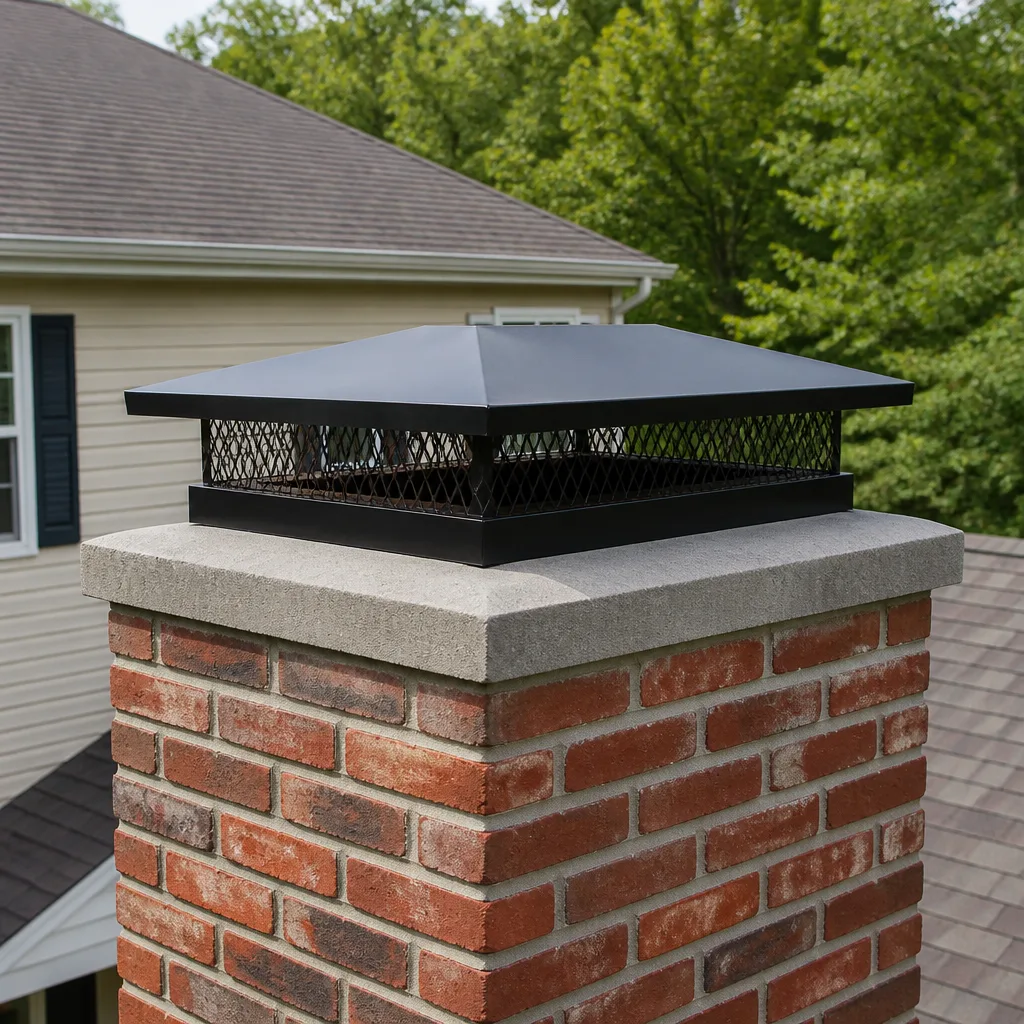
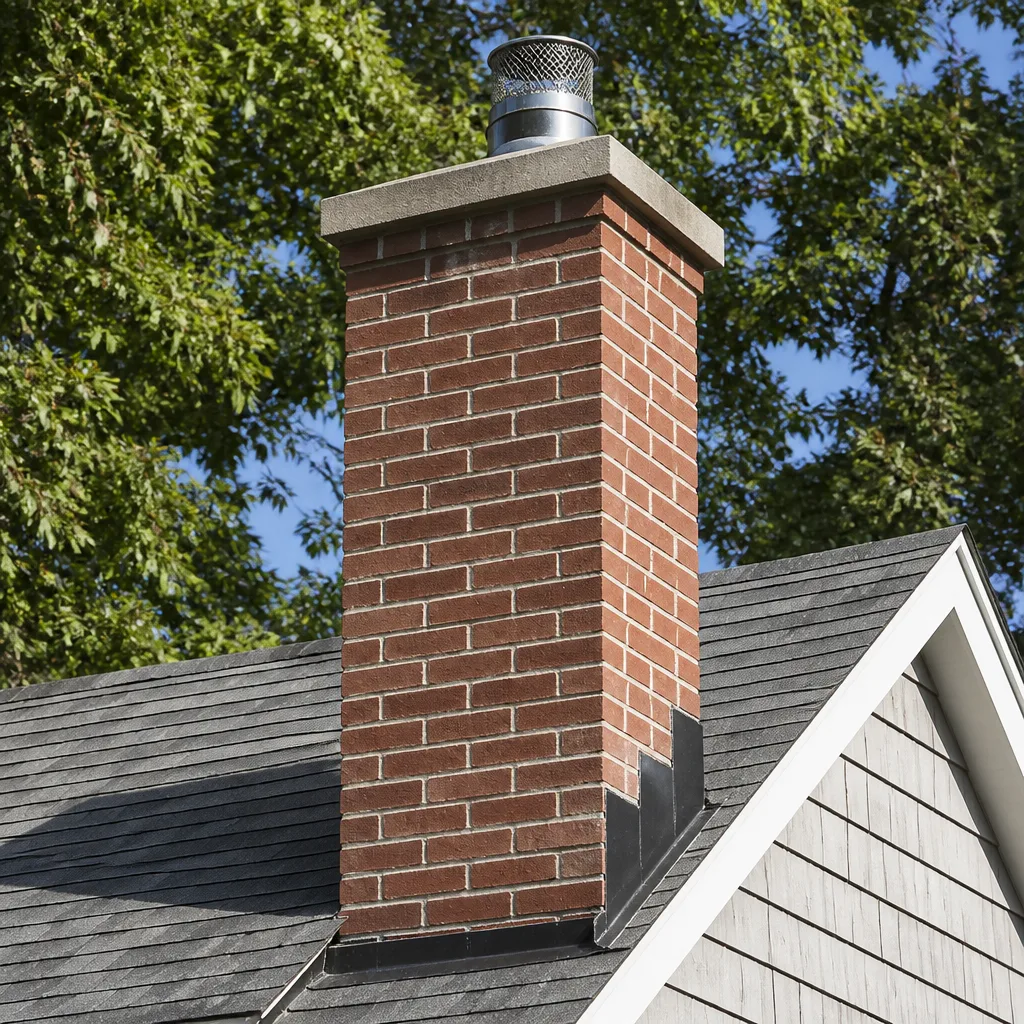
- Check crown, cap, and flashing. Summer UV exposure in Sherman Oaks degrades crown sealant. A cracked crown channels water directly into the flue system. We verify cap mesh size (3/4-inch for California code) and confirm the cricket (the peaked diversion behind the chimney on sloped roofs) isn’t trapping debris.
- Deliver written price, scope, and warranty before any work starts. Haven Standard Clause 1: “Have it in writing.” You’ll see the exact cost, what’s included, and what the 365-Day Done Right Promise covers. No surprises after the technician is already on your roof.
In Sherman Oaks neighborhoods like Magnolia Woods and Chandler Estates, where mature oak canopies overhang roofs, we also check for leaf accumulation in the flue cap - a fire hazard distinct to tree-heavy streets that standard checklists miss.
The deliverable: a documented photo record of your flue interior, smoke chamber, and exterior components, plus a written condition summary. This becomes the baseline for your rolling 12-month file.
November-February: Active Burn Season in Mild-Cold Conditions
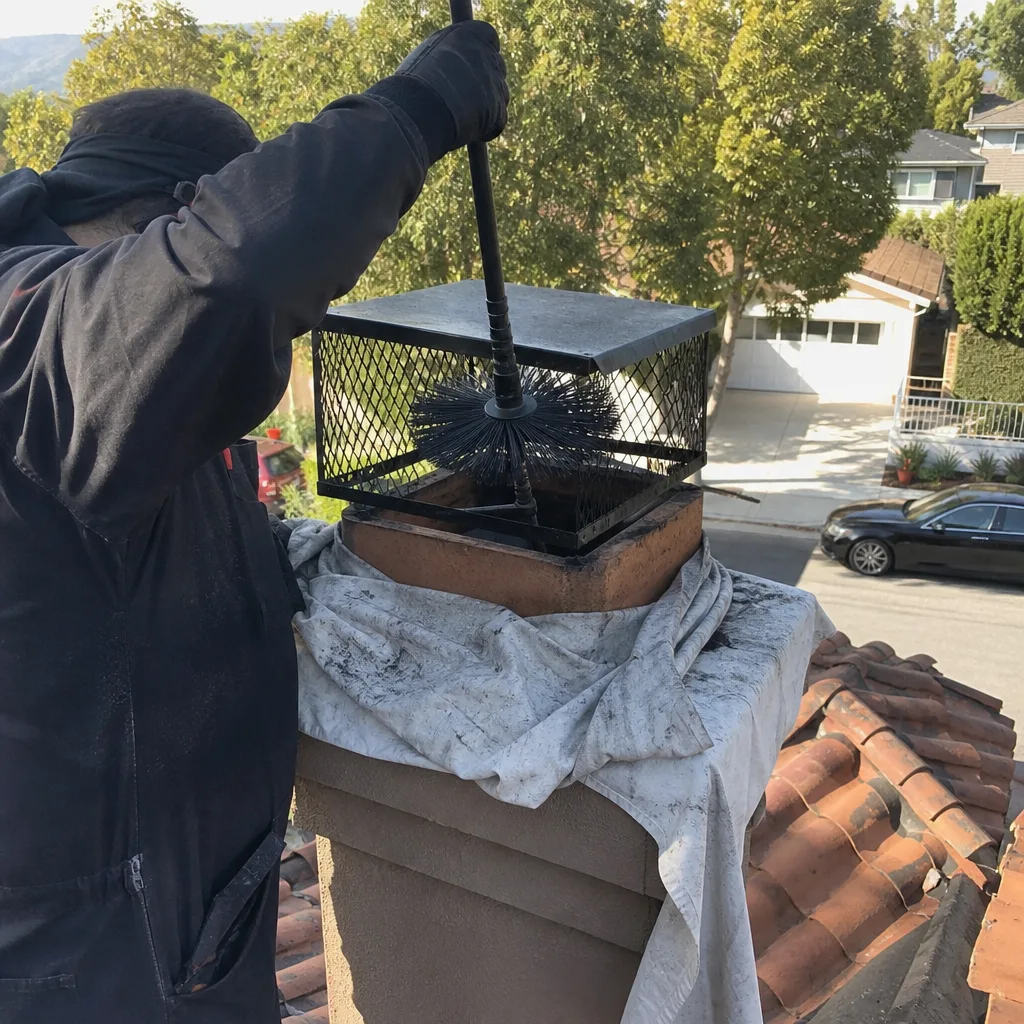
Sherman Oaks winters don’t stress chimneys with freeze-thaw cycles like the Northeast. The stress here is different: intermittent use, low-temperature fires, and the creosote buildup pattern that results.
Homeowners in Sherman Oaks often burn for ambiance, not primary heat. A 45-degree evening triggers a fire; the next week it’s 65 degrees and the system sits cold. These low, smoldering burns produce more creosote than hot, continuous fires. The flue never reaches the 250°F+ sustained temperature that burns off deposits. Over a season, this creates the glazed, hardened Class III creosote that standard brushes won’t touch.
Mid-season monitoring without a full service call:
- Visual check of the firebox after each use. Look for black, shiny deposits on the back wall - that’s creosote, not soot. Soot is powdery and gray-black. Creosote is glossy, tar-like, and brown to black.
- Smoke behavior at startup. Smoke that lingers in the firebox or puffs back into the room on cold startup indicates a flue temperature too low to establish draft, or partial blockage. Both conditions worsen creosote accumulation.
- Exterior cap inspection from ground level. Visible staining on the chimney face below the cap suggests condensation runoff carrying acids from incomplete combustion - a sign the flue is oversized for the appliance or the fire is consistently too cool.
- Damper operation. A sticky or incomplete damper opening restricts airflow, lowering burn temperature further. The damper should move freely and seat fully closed when not in use.
When to schedule mid-season service: If you’re burning more than three times weekly, or if you detect any smoke backup, odor, or visible creosote beyond light soot. We offer Chimney Sweep in Sherman Oaks with same-week availability for active-burn concerns, and we reference your August documentation to identify changes.
The Haven Standard requires we show you what we find, not tell you what to fear. If mid-season inspection reveals Class III creosote, we’ll show you the camera footage, explain why rotary cleaning is necessary, and give you a written price for that service before starting. No work proceeds without your written approval.
March-May: Wildlife Intrusion and Moisture Season
March in Sherman Oaks brings two phenomena that affect chimneys directly: spring breeding season for urban wildlife, and the last reliable rainfall before summer drought.
Chimney swifts, a protected migratory species, arrive in Southern California in March and seek vertical cavities for nesting. A flue without a properly sized cap - or with damaged mesh - becomes a target. Once swifts establish a nest, federal law prohibits removal until young have fledged, typically late May. That means no flue use for six to eight weeks, and a blocked chimney if you didn’t inspect before their arrival.
Raccoons are year-round in Sherman Oaks but den more actively in spring. A female raccoon can enlarge a damaged cap opening or exploit a missing mortar joint to access the smoke chamber. We’ve found complete raccoon litters above dampers in homes near the Los Angeles River corridor and in hillside neighborhoods like Sherman Oaks Estates where wildlife corridors remain intact.
Spring inspection checklist:
- Cap and screen integrity. Mesh should be 3/4-inch stainless steel, intact, and securely attached. We source caps from Gelco and Olympia Chimney through our Haven buying network - both manufacture California-spec mesh sizes that exclude wildlife without restricting draft.
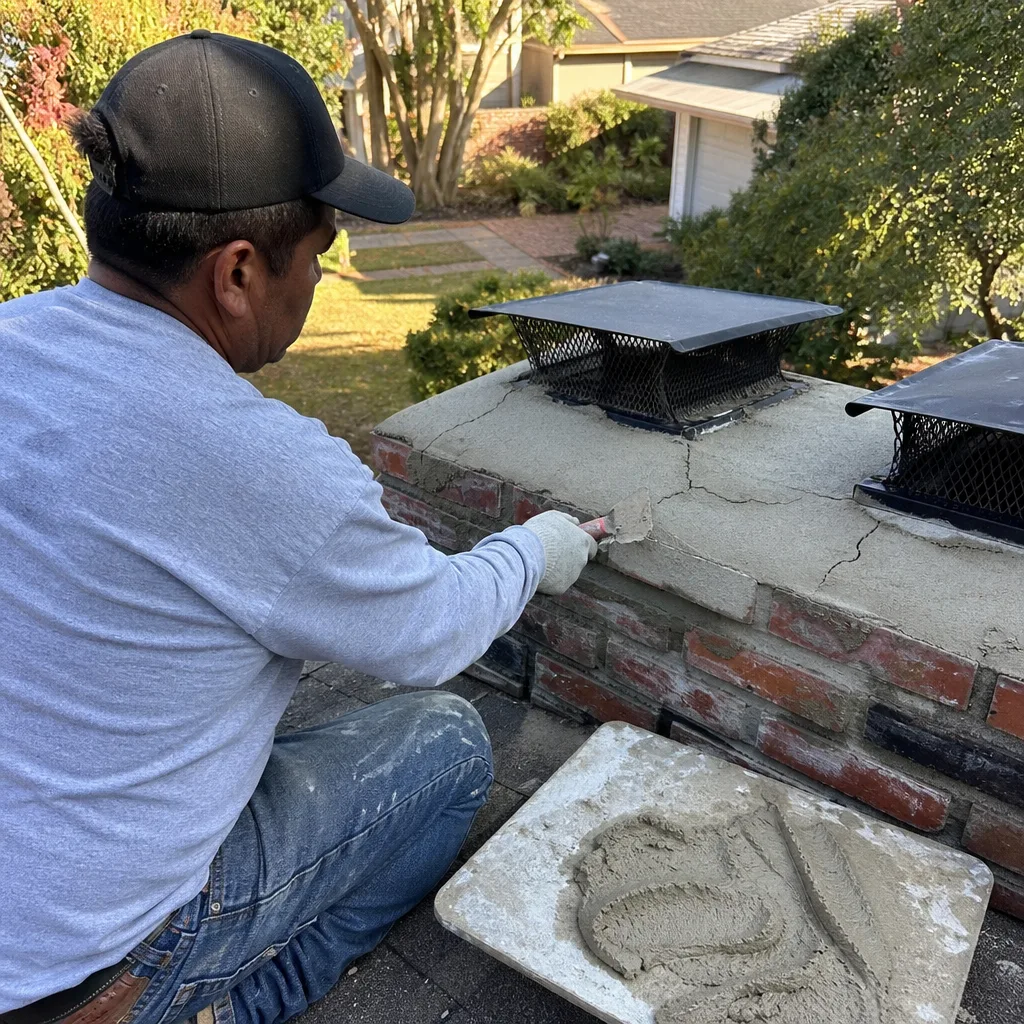
- Crown sealant condition. Winter rain tests crown integrity. Hairline cracks that opened in summer heat now channel water. We check for spalling (flaking) concrete, exposed rebar, and separation from the flue tile.
- Flashing and counterflashing. The metal junction where chimney meets roof is the most common leak point. Spring is when latent winter damage becomes visible as interior ceiling stains.
- Interior odor check. A musty smell when the damper is closed indicates moisture accumulation, often from a failed crown or flashing. Moisture + creosote residue = acidic compounds that degrade clay flue liners from the inside.
Homes in the flatlands near Ventura Boulevard face different spring risks than hillside properties. Flatland chimneys tend to have shorter exposed flue lengths and more cap damage from tree debris. Hillside chimneys experience more wind-driven rain intrusion and are more accessible to raccoons. We adjust inspection focus accordingly - one reason we don’t use templated checklists.
If spring inspection reveals cap or screen damage, replacement is typically same-day with stocked components. We carry Gelco and Famco stainless caps in common Sherman Oaks flue sizes. Larger custom caps for historical chimneys in the Longridge Estates area require measurement and fabrication - we’ll show you the exact specification and deliver a written price before ordering.
June-July: Thermal Cycling Damage When You’re Not Burning
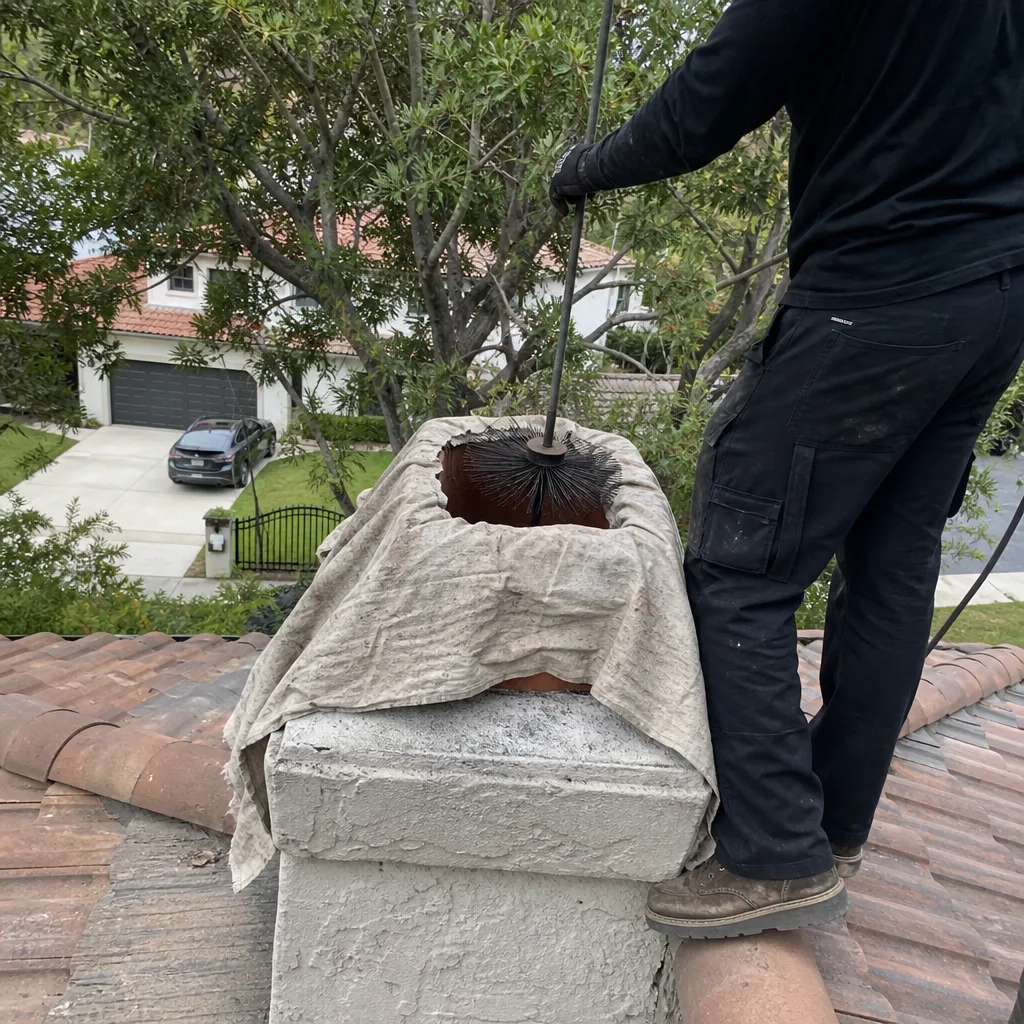
This is the inspection window most homeowners skip. The fireplace hasn’t been used in months. The instinct is to forget it exists until October. That’s a mistake.
Sherman Oaks summer temperatures routinely reach 90-100°F. Your chimney, a masonry column protruding above the roofline, experiences surface temperatures exceeding 120°F. At night, radiative cooling drops that surface temperature rapidly. This daily thermal cycle - expand in heat, contract in cool - stresses mortar joints, crown sealant, and flue tile.
The damage is invisible from the ground and undetectable without inspection. Here’s what we find in summer:
- Crown cracks propagated. Small thermal cracks from previous seasons widen with each cycle. By August, water can penetrate. By October, that water has degraded mortar in the top courses of brick.
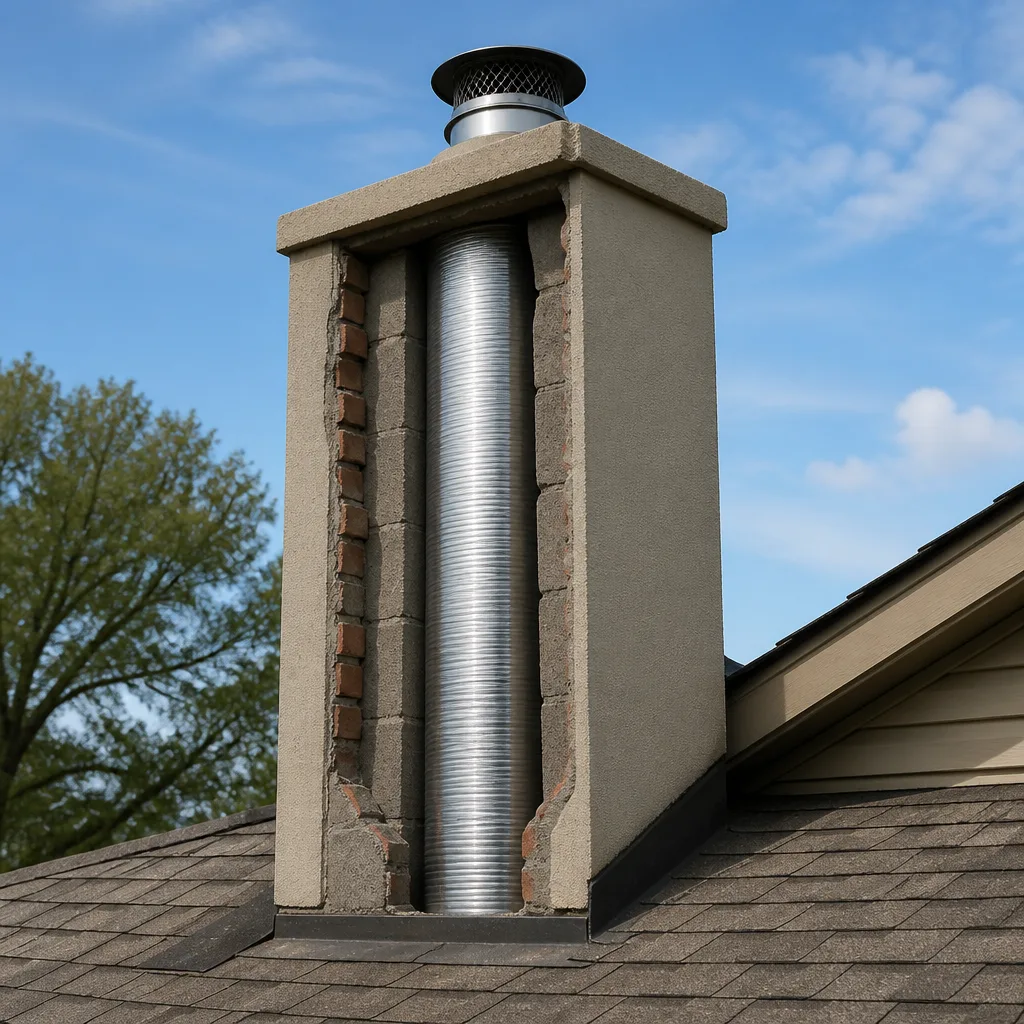
- Flue tile liner spalling. Clay flue tiles expand and contract at different rates than surrounding brick. Summer thermal cycling accelerates the hairline fractures that become liner gaps - gaps that allow combustion gases to contact combustible framing.
- Sealant degradation. Crown sealants rated for 5-7 years in moderate climates fail in 3-4 years in Sherman Oaks’s UV and thermal exposure. We use HeatShield crown repair systems when full crown replacement isn’t warranted - a resurfacing application that bonds to existing concrete and flexes with thermal movement.
- Metal component corrosion. Dampers, fire grates, and gas log sets accumulate summer humidity. Rusted damper frames seize. Corroded gas connections become leak risks.
Summer inspection has another advantage: scheduling flexibility. We’re not competing with pre-winter demand. You get appointment options that work around your schedule, not the other way around. And if we find crown or liner issues requiring Chimney Repair in Sherman Oaks, you have August and September to complete work before burn season.
The camera documentation from your summer visit becomes the “before” record for comparison with your pre-season inspection. We can show you exactly how thermal cycling progressed over 12 months - evidence that supports insurance claims if damage warrants coverage.
Building a Rolling 12-Month Documentation Record
In 2009, before NFPA 211 emphasized camera documentation and before insurers routinely requested inspection records, we made photo records standard on every job. That practice became Clause 4 of the Haven Standard: “Documented record on every visit.” Today, we process those records into rolling 12-month files that track your chimney’s condition over time.
Why this matters for Sherman Oaks homeowners:
Insurance companies increasingly deny chimney fire claims when the homeowner cannot prove annual inspection. A 2023 policy update from several California carriers now requires “documented NFPA 211 Level 2 inspection” for wood-burning system coverage. A verbal assurance from a sweep who “took a look” doesn’t satisfy this requirement. A timestamped photo record with written condition summary does.
How the rolling record works:
- Each visit references the previous. Your August 2025 inspection includes comparison to your June 2025 summer check and your September 2024 pre-season service. We note changes: “Crown crack visible in 2024 photo has propagated 3 inches; recommend HeatShield application before October.”
- Condition ratings trend over time. Liner integrity, creosote accumulation rate, crown condition, and cap status receive numerical scores. A declining trend triggers proactive recommendations before failure.
- Work history is searchable. If you sell your home, the documentation transfers to the new owner - a selling point in Sherman Oaks’s competitive real estate market. If you file an insurance claim, the record establishes maintenance history.
- Recommendations are evidence-based, not calendar-based. We don’t recommend liner replacement because your chimney is “old.” We recommend it when camera footage shows degradation exceeding safe thresholds, and we show you the footage that supports that conclusion.
The 38,000+ jobs in our archive since 2009 include thousands of Sherman Oaks homes. That longitudinal data informs our recommendations: we know how quickly crown sealant degrades in south-facing exposures, how raccoon intrusion correlates with neighborhood greenbelt proximity, and which liner materials perform best in our thermal cycling environment. We apply that pattern recognition to your specific chimney.
What Chimney Maintenance Costs in Sherman Oaks
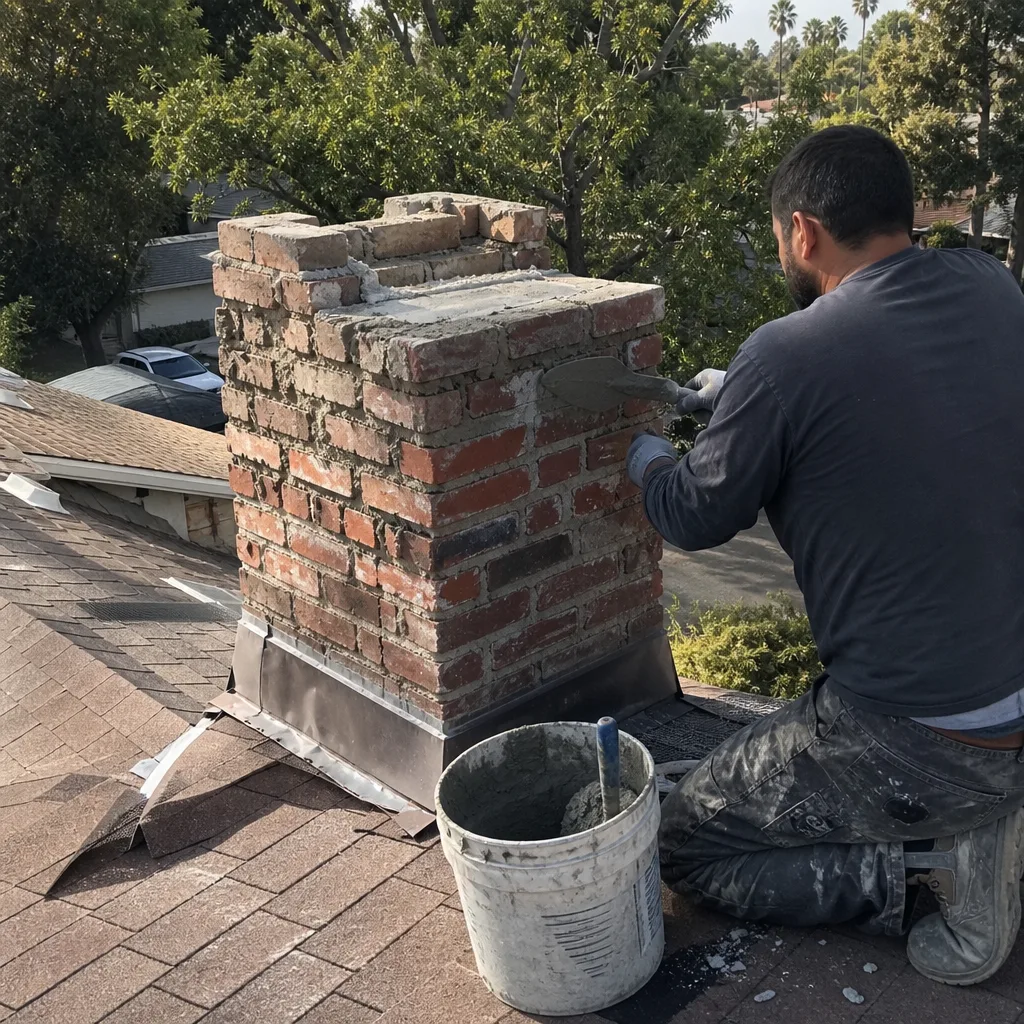
Price transparency is Haven Standard Clause 1. We publish ranges because “call for a quote” wastes your time and creates pressure tactics we don’t use.
Standard chimney sweep with NFPA 211 Level 2 camera inspection in Sherman Oaks:
| Service | Price Range | What’s Included |
|---|---|---|
| Standard sweep (Class I-II creosote) | $189-$249 | Full flue brush cleaning, smoke chamber vacuum, firebox cleaning, Level 2 camera scan, photo record, written condition report |
| Heavy creosote removal (Class III) | $289-$349 | Rotary chain cleaning system, chemical pre-treatment if needed, full documentation as above |
| Cap/screen replacement (standard size) | $180-$340 installed | Stainless steel cap with 3/4-inch mesh, proper fit to flue tile, sealant application |
| Crown repair (HeatShield resurfacing) | $450-$750 | Surface prep, application, curing, documentation |
| Full crown rebuild | $1,200-$2,400 | Formed concrete crown with proper overhang, drip edge, flue tile clearance |
These are the prices you’ll see in your written quote before any work begins. No dispatch fees. No “while we’re here” add-ons without your written approval. If a competitor has given you a lower written estimate, we offer a Free Second Opinion - bring us their quote and we’ll review it against what we find, with no obligation.
Factors that affect your specific price:
- Flue accessibility. Chimneys with offset construction or tight firebox openings require additional labor.
- Roof pitch and height. Two-story and steep-roof access affects exterior component inspection and cap work.
- Historical construction. Pre-1950 chimneys in Sherman Oaks’s original neighborhoods often have unlined flues or deteriorated parging that requires additional evaluation.
- Gas insert complications. Fireplace Services in Sherman Oaks for gas systems include venting verification and combustion analysis, priced separately from wood-burning sweep service.
Every price includes the 365-Day Done Right Promise. If our sweep doesn’t resolve the issue we identified, or if a repair fails within a year, we make it right at no additional cost. That’s stamped on every job, not mentioned in passing.
Common Mistakes to Avoid
- Booking in October because “that’s when you do chimneys.” In Sherman Oaks, Santa Ana conditions and AQMD No-Burn days make August-September the correct window. October bookings risk uninspected systems during the highest fire-danger period.
- Assuming no burn means no maintenance. Summer thermal cycling degrades crowns and liners even when the fireplace sits unused. The inspection that catches this is the one homeowners most often skip.
- Accepting a flashlight inspection as sufficient. NFPA 211 Level 1 is a visual inspection from accessible areas. Level 2 requires camera documentation of the full flue interior. If your sweep isn’t showing you footage from inside your flue, you don’t have a documented inspection.
- Ignoring cap damage until wildlife moves in. A $220 cap replacement in March prevents a $400+ emergency removal and repair in April, plus weeks of unusable flue during swift nesting season.
- Using unlicensed operators for “cheap” sweeps. California requires chimney sweep contractors to carry a C-29 masonry contractor classification for structural work and appropriate licensing for gas venting. Unlicensed operators can’t pull permits if repair needs arise, and their work voids manufacturer warranties on materials like DuraFlex liners.
- Failing to establish a documentation trail. One inspection with no record-keeping doesn’t satisfy insurer requirements. The rolling 12-month file we maintain for repeat clients is what carriers now request by name.
- Delaying repair because “it still works.” A cracked flue liner doesn’t fail gradually - it fails when combustion gases ignite accumulated creosote in the gap, or when carbon monoxide seeps through to occupied space. Camera evidence shows when the risk threshold is crossed; the decision to repair should follow that evidence promptly.
When to Call a Professional
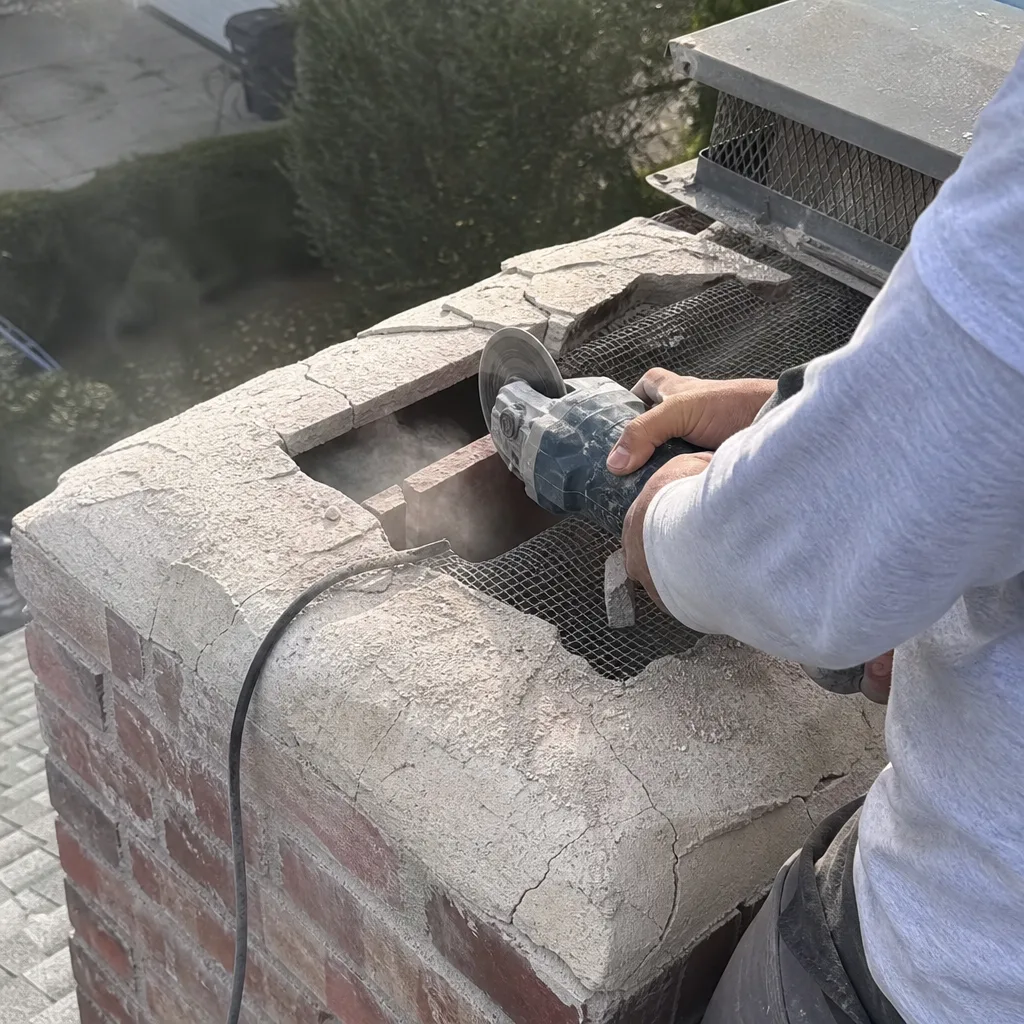
Schedule professional inspection immediately if you detect smoke backup into the room, a persistent chemical or musty odor when the damper is closed, visible debris or animal activity at the cap, or any interior water staining near the chimney breast. These symptoms indicate active hazards - flue blockage, moisture intrusion, or gas leak - that worsen with use.
For routine maintenance, book your annual service in August or September to secure pre-season scheduling and avoid the October rush. If you’ve purchased a home in Sherman Oaks within the past year and have no documentation of prior inspection, treat this as urgent: you don’t know the system’s condition, and insurer requirements may already apply.
Emberly Chimney Cleaners Sherman Oaks home offers free estimates with written pricing before any work begins. Call (424) 414-6048 to schedule. Our live phone support runs 24 hours a day, 7 days a week - you’ll speak to a person, not a voicemail system. Background-checked, uniformed technicians arrive with license information displayed, a text notification when en route, and the camera equipment to show you exactly what your flue looks like.
Frequently Asked Questions
A standard chimney sweep with NFPA 211 Level 2 camera inspection costs $189-$249 in Sherman Oaks for Class I-II creosote; heavy Class III creosote removal runs $289-$349. Every job includes a written price before work starts, documented photo record, and the 365-Day Done Right Promise. Call (424) 414-6048 for an exact quote - estimates are free.
You need liner replacement only when camera inspection shows degradation that exceeds safe thresholds - cracks, gaps, or spalling that allow combustion gases to contact combustible framing. We show you the footage and explain the NFPA 211 standard that applies. If a competitor recommended replacement without camera evidence, bring us their written quote for a Free Second Opinion.
NFPA 211 recommends annual inspection for all wood-burning systems, and cleaning when creosote exceeds 1/8-inch thickness. In Sherman Oaks’s intermittent-burn pattern, many systems need annual cleaning; heavy users may need mid-season service. Gas systems require annual venting inspection though they produce no creosote. The rolling 12-month documentation we maintain tracks your actual accumulation rate rather than applying a generic schedule.
Three outcomes progress in severity: accumulated creosote ignites in a chimney fire that damages the flue liner and potentially spreads to framing; moisture intrusion degrades mortar and liner, eventually requiring rebuild rather than repair; or combustion gases including carbon monoxide leak through liner gaps into living space. Camera inspection catches all three conditions before they reach crisis point. The documentation also protects you from insurer claim denial if damage does occur.
Santa Ana wind conditions elevate fire risk beginning in September, and AQMD No-Burn days restrict permitted burning unpredictably through winter. An August-September inspection ensures your system is verified safe before fire season and before demand compresses scheduling. Homes in hillside Sherman Oaks areas like Beverly Ridge and Mulholland Estates face earlier Santa Ana exposure and should prioritize this window.
Homeowners can check damper operation, cap visibility from ground level, and firebox soot patterns. Flue interior inspection requires specialized camera equipment and training to interpret findings against NFPA 211 standards. For safety, we do not recommend DIY flue access - the risk of ladder fall or flue tile damage exceeds any cost savings. Our inspection includes the documentation insurers require, which self-inspection cannot provide.
Every visit includes NFPA 211 Level 2 camera-scan inspection, written price before work starts, documented photo record on completion, and the 365-Day Done Right Promise. Background-checked technicians arrive in uniform with license information displayed and text notification en route. Materials come from HeatShield, Gelco, Olympia Chimney, Famco, and other Haven network suppliers. Nothing is optional, nothing is hidden, and no work proceeds without your written approval.
The Bottom Line
Sherman Oaks chimneys face four distinct stress periods, not a single fall cleaning event. August-September inspection prevents Santa Ana season surprises. November-February monitoring catches creosote buildup from low-temperature burns. March-May cap and screen inspection excludes wildlife before nesting season. June-July thermal cycling inspection prevents the crown and liner degradation that most homeowners never see until it requires major repair.
The rolling 12-month documentation record - the standard we introduced in 2009 and insurers now require - connects each visit to the last, so recommendations are evidence-based and your maintenance history is verifiable. Written price before work starts. Camera footage you can see. A 365-Day Done Right Promise on every job. That’s the Haven Standard, and it’s how we’ve completed 38,000+ inspections with no surprises. Explore more guides & resources for Sherman Oaks homeowners.
Call (424) 414-6048 for a free estimate. Our live phone support answers 24 hours a day, 7 days a week. We’ll schedule your inspection, deliver your written price, and show you exactly what your flue looks like - because evidence, not reassurance, is what protects your home.
Written by Corrine Halstead, Owner at Emberly Chimney Cleaners Sherman Oaks, serving Sherman Oaks since 2009.