
Last updated September 21, 2026
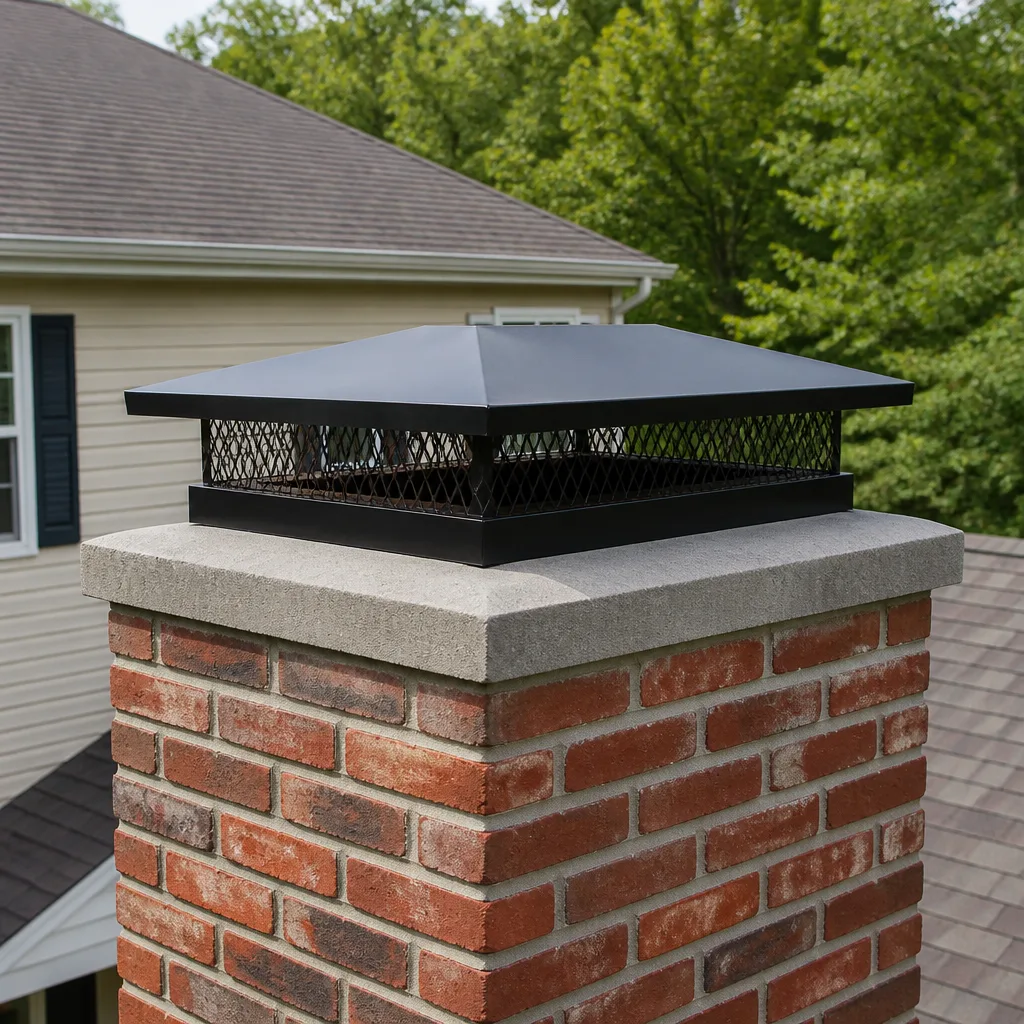
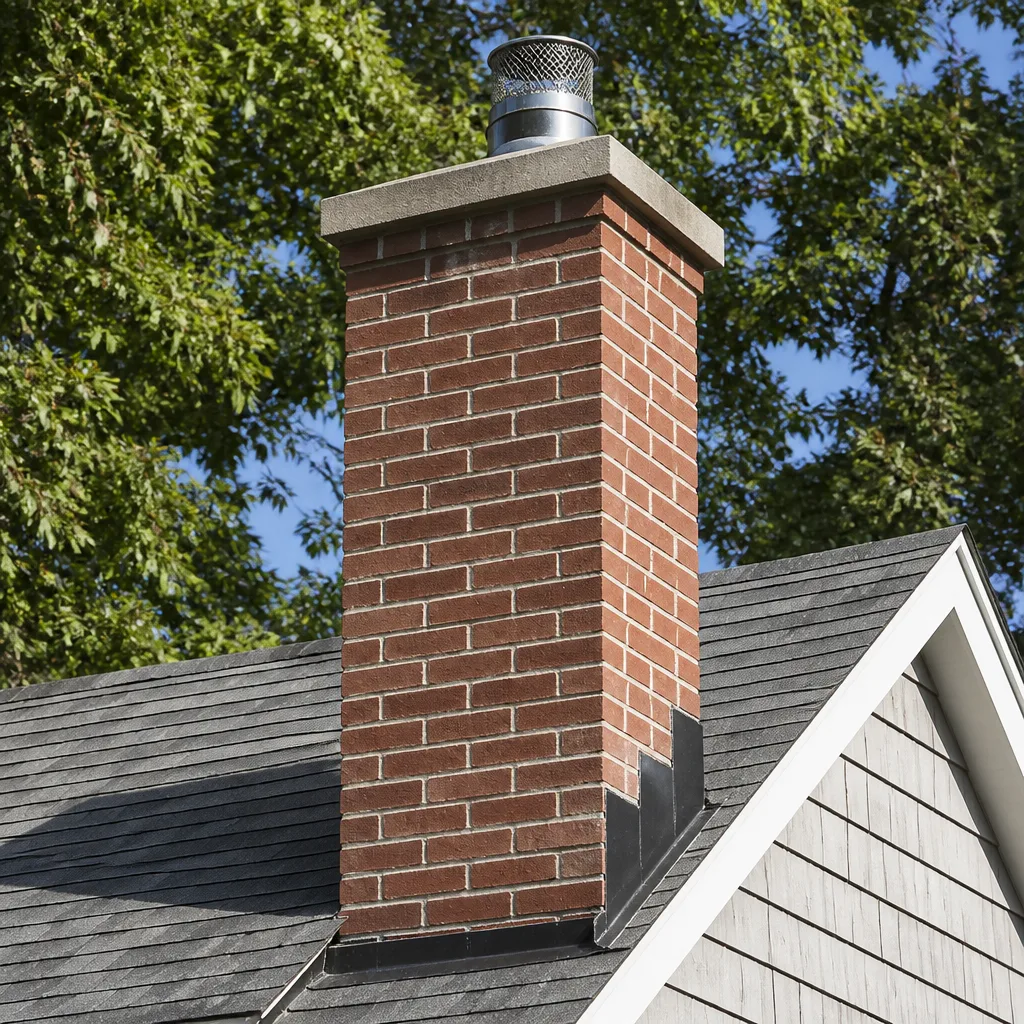
Level 1 sweep and inspection to the NFPA 211 annual standard - flue, crown, cap, and flashing checked and photographed
Chimney sweep logs do not sweep chimneys. They loosen some creosote - which then falls where a brush and vacuum still have to collect it.
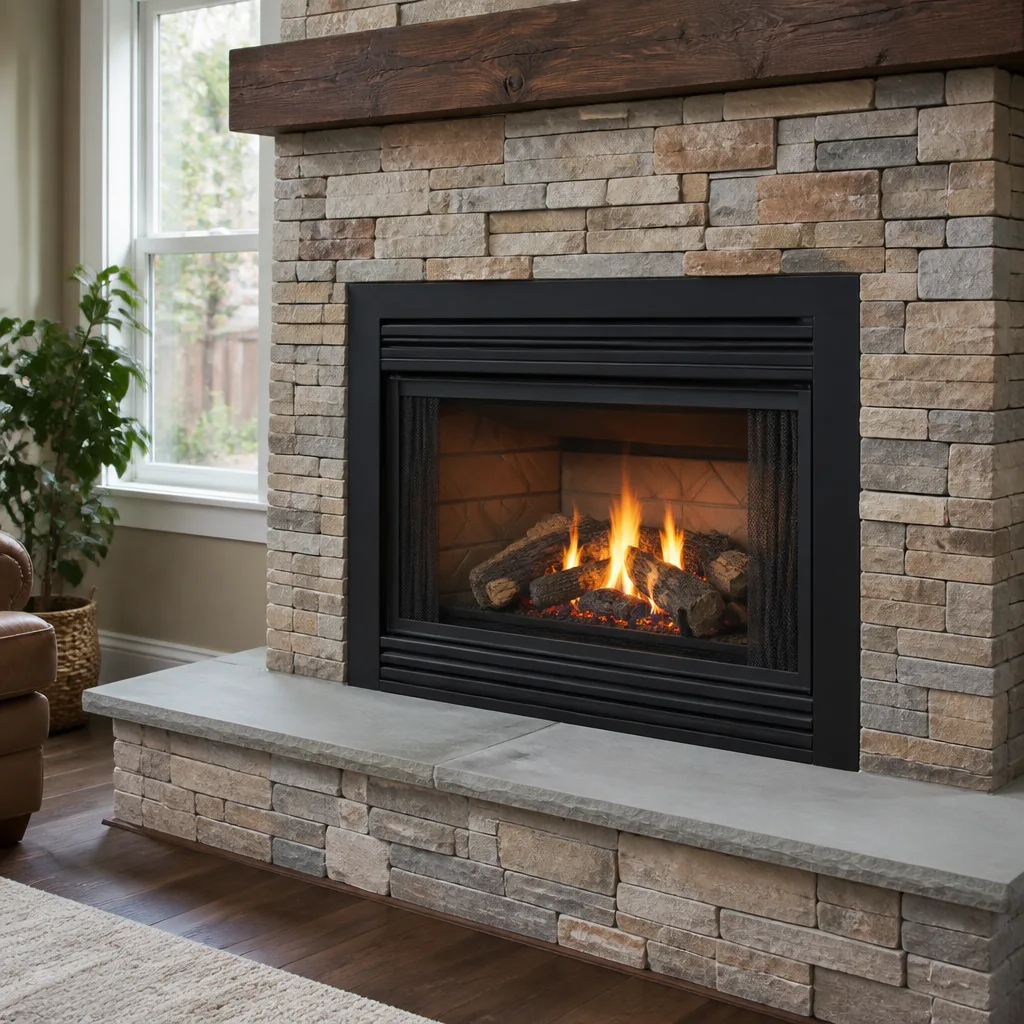
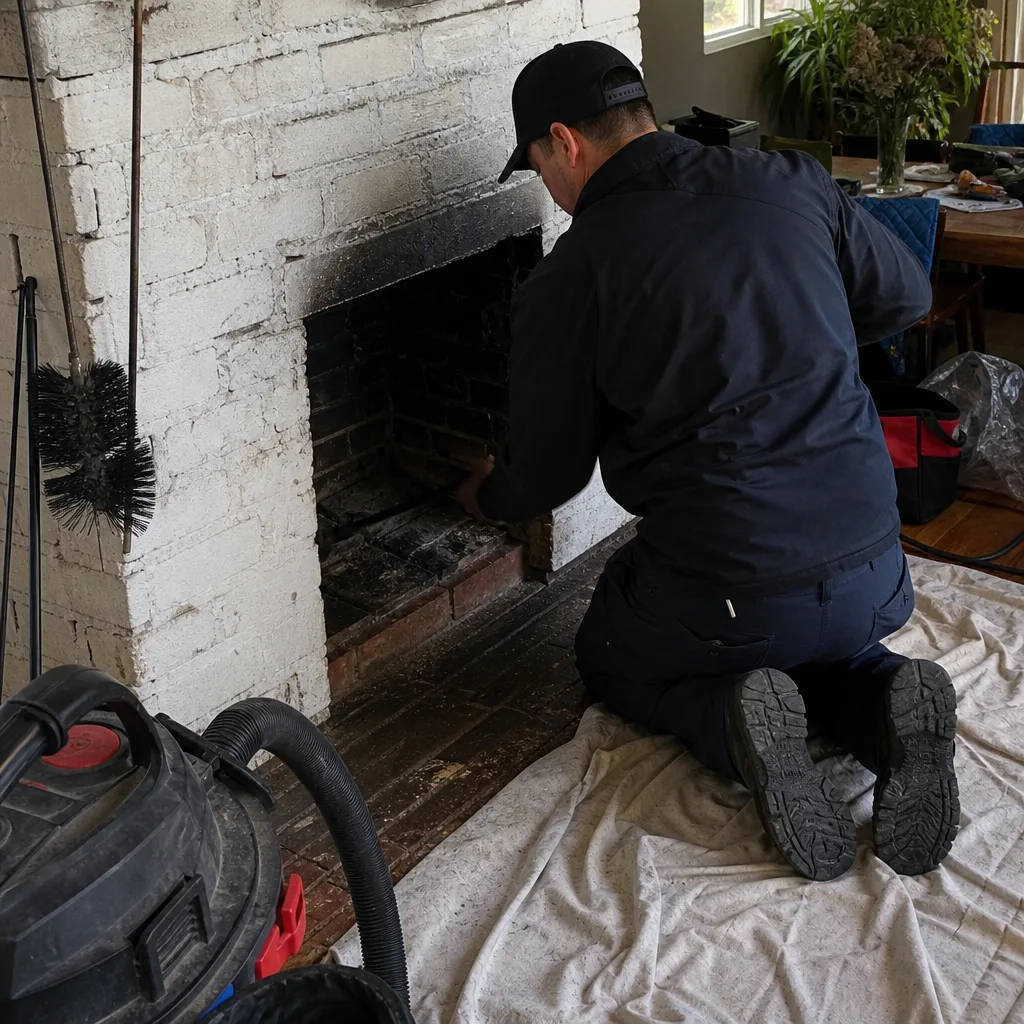 Before
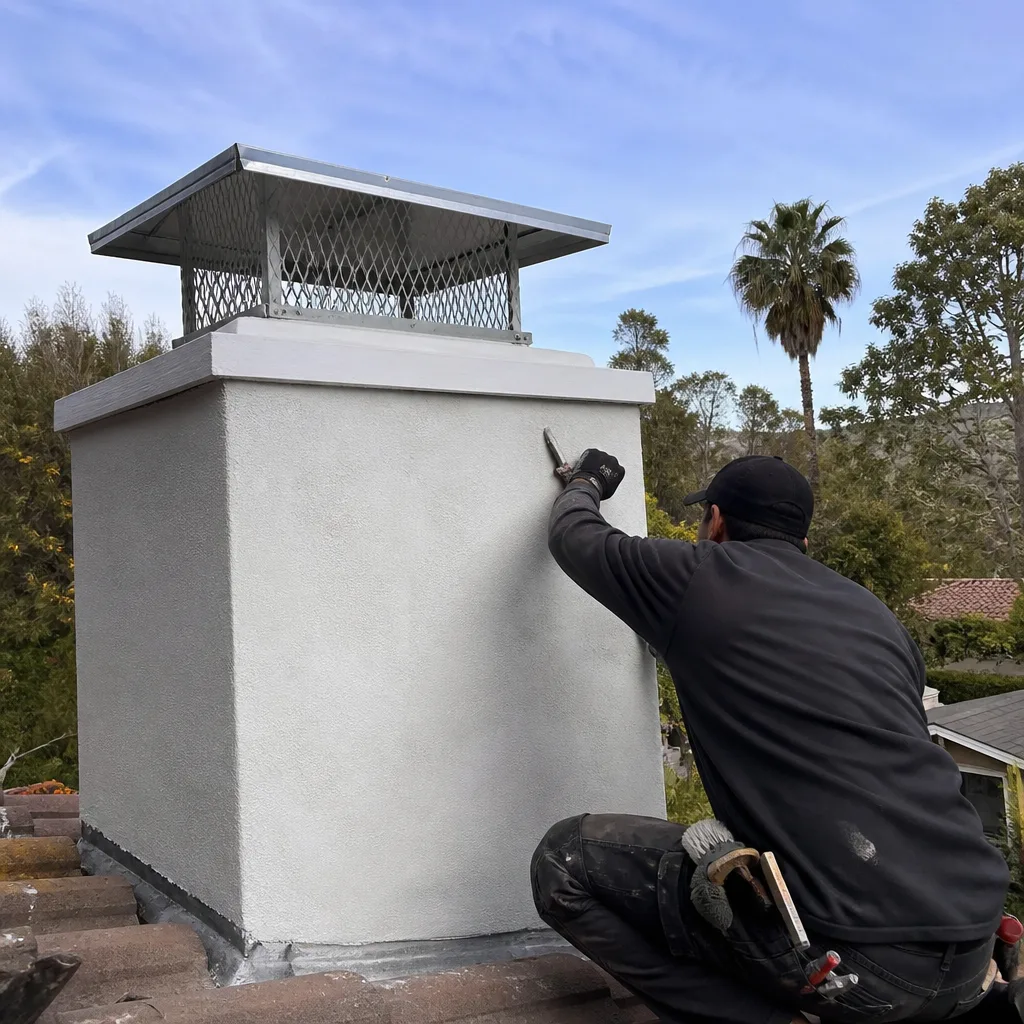 After
After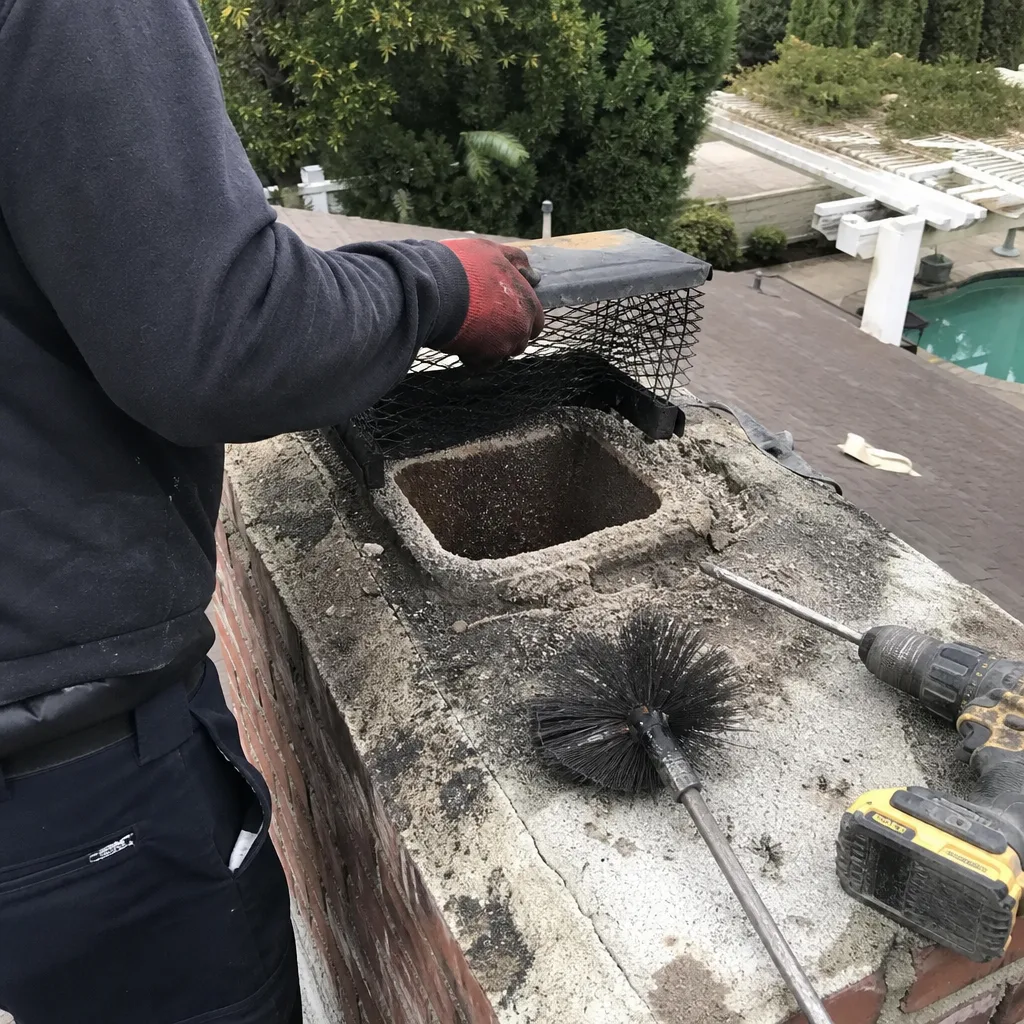 Before
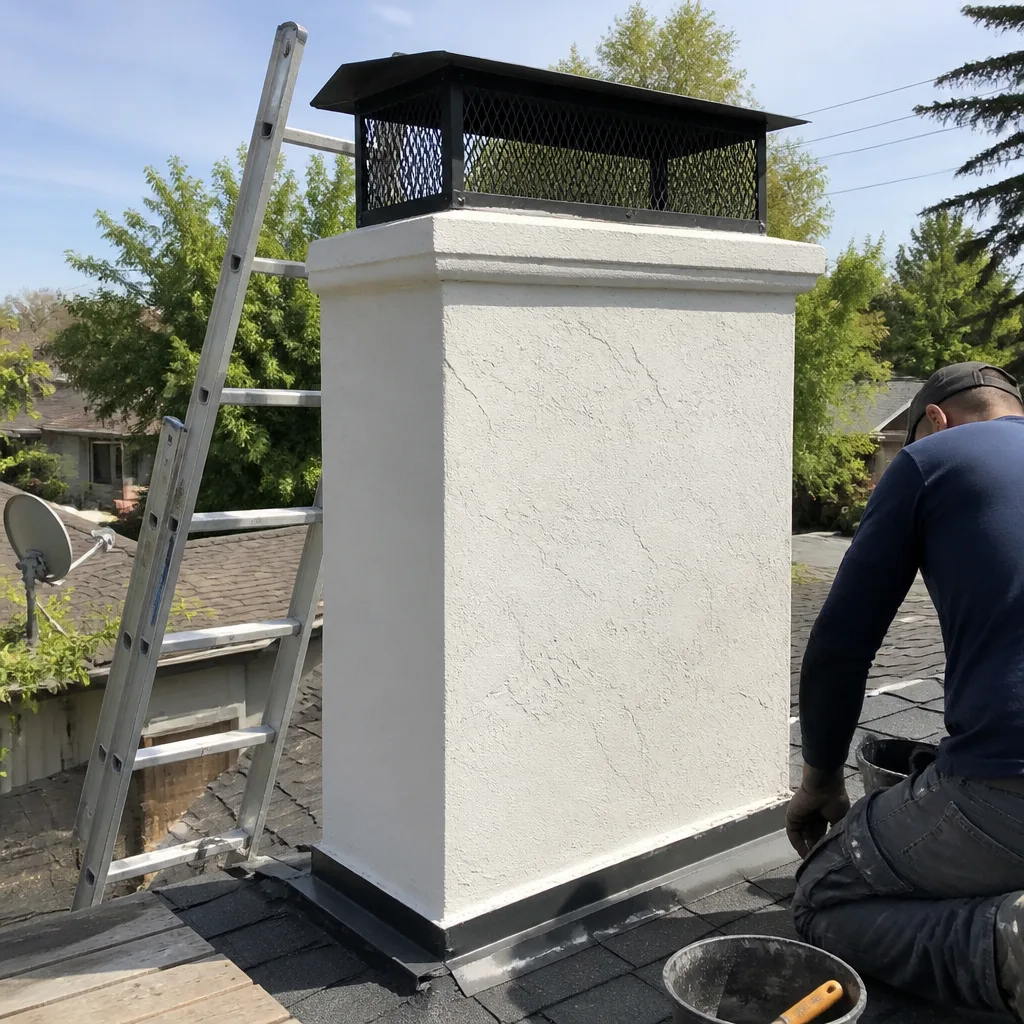 After
After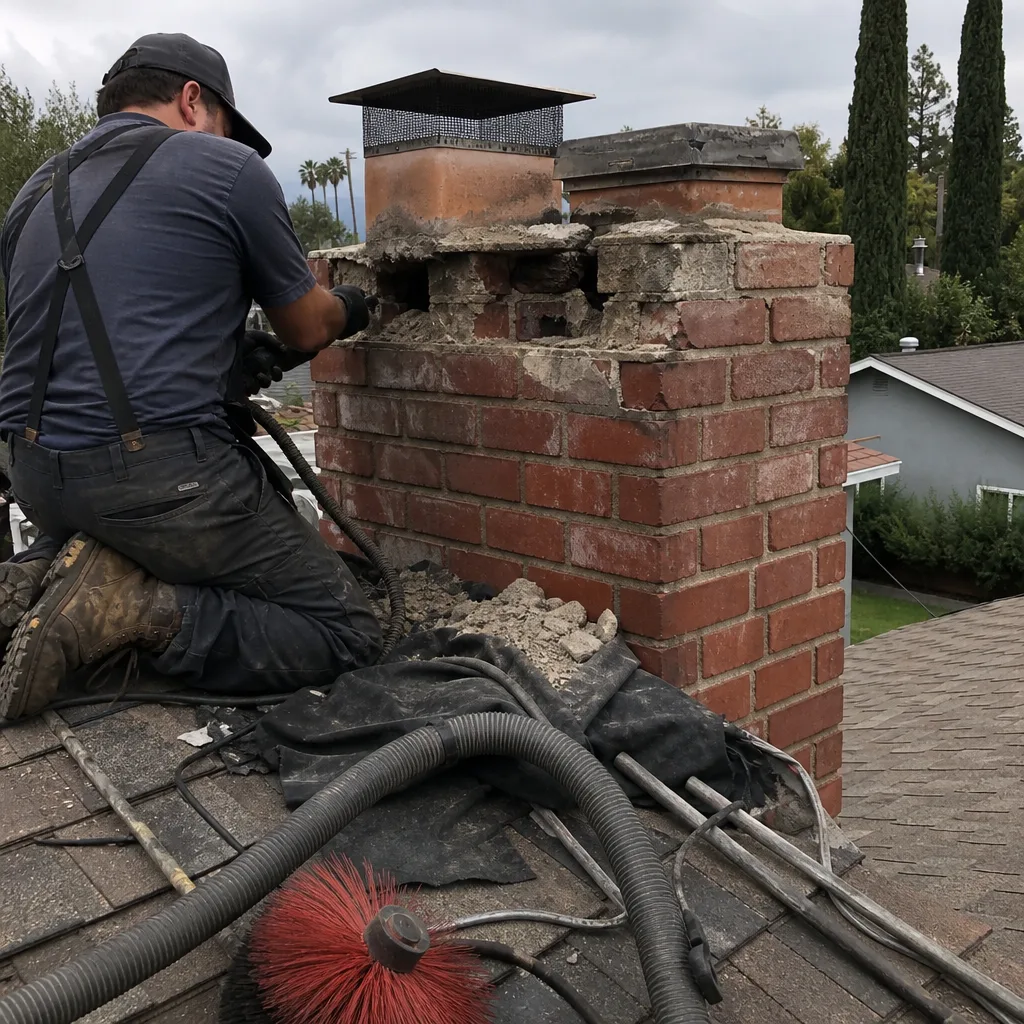 Before
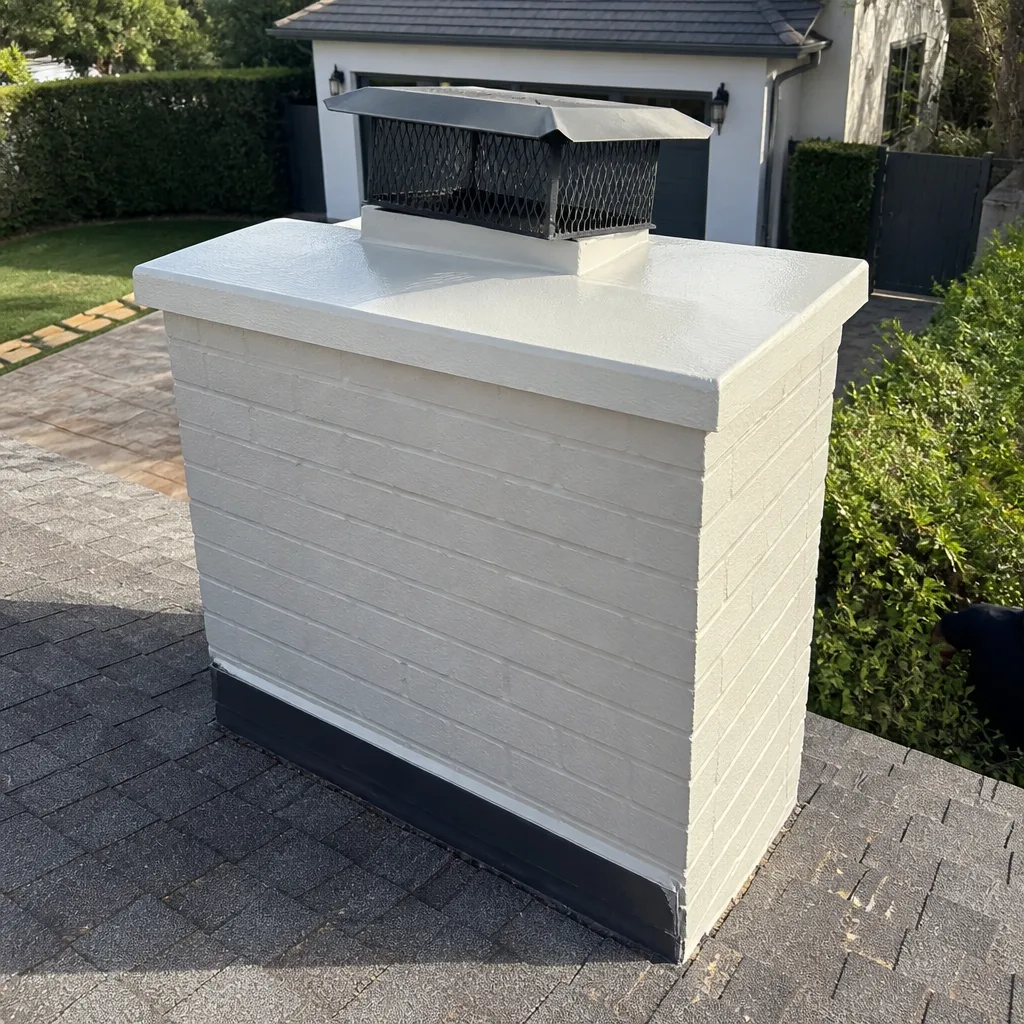 After
AfterDIY vs Professional Chimney Cleaning: The Sherman Oaks Homeowner’s Decision Guide
A chimney brush kit costs about $60 at a hardware store in Sherman Oaks and will remove loose, first-degree creosote from accessible flue sections reasonably well. It will not reach the smoke chamber, cannot assess liner integrity, and produces no record. If your insurance carrier or buyer’s inspector asks what condition the flue was in twelve months ago, a brush kit leaves you with nothing to show them. This guide draws the line at the exact points where DIY work ends and where the risk of an invisible gap begins, based on what we’ve found in more than 38,000 chimney inspections since 2009. For more guides & resources, visit our blog.
Quick Answer
Most Sherman Oaks homeowners can safely clean their own firebox walls, damper plate, and lower accessible flue with basic tools. Professional cleaning becomes necessary when work involves the smoke chamber, upper liner, or any assessment of structural condition, because these areas require specialized equipment and produce the documented record that insurance and real estate transactions demand. The decision isn’t about capability; it’s about whether you can see, assess, and prove what remains after the brushing stops.
Table of Contents
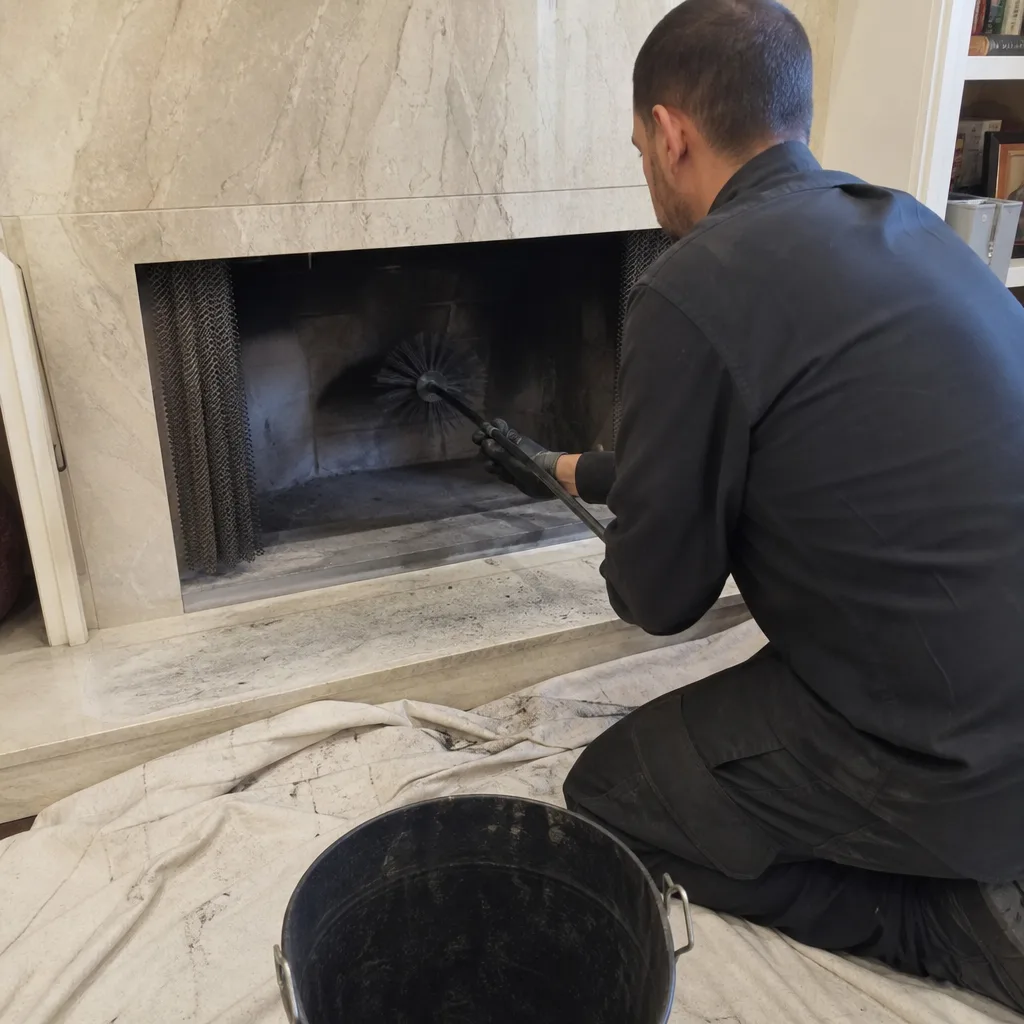
- What DIY Chimney Cleaning Can Actually Accomplish
- Where DIY Work Stops Being Useful
- Sherman Oaks-Specific Risk Factors
- What Professional Sweeps Find After DIY Cleaning
- The Documentation Gap: Why Records Matter
- DIY vs Professional: Real Cost Comparison
- Tools and Methods: A Side-by-Side Breakdown
- Common Mistakes to Avoid
- When to Call a Professional
- Frequently Asked Questions
BeforeAfterWhat DIY Chimney Cleaning Can Actually Accomplish
Let’s be precise about what a motivated homeowner can do with a $60 brush kit and an afternoon. The scope is limited but real.
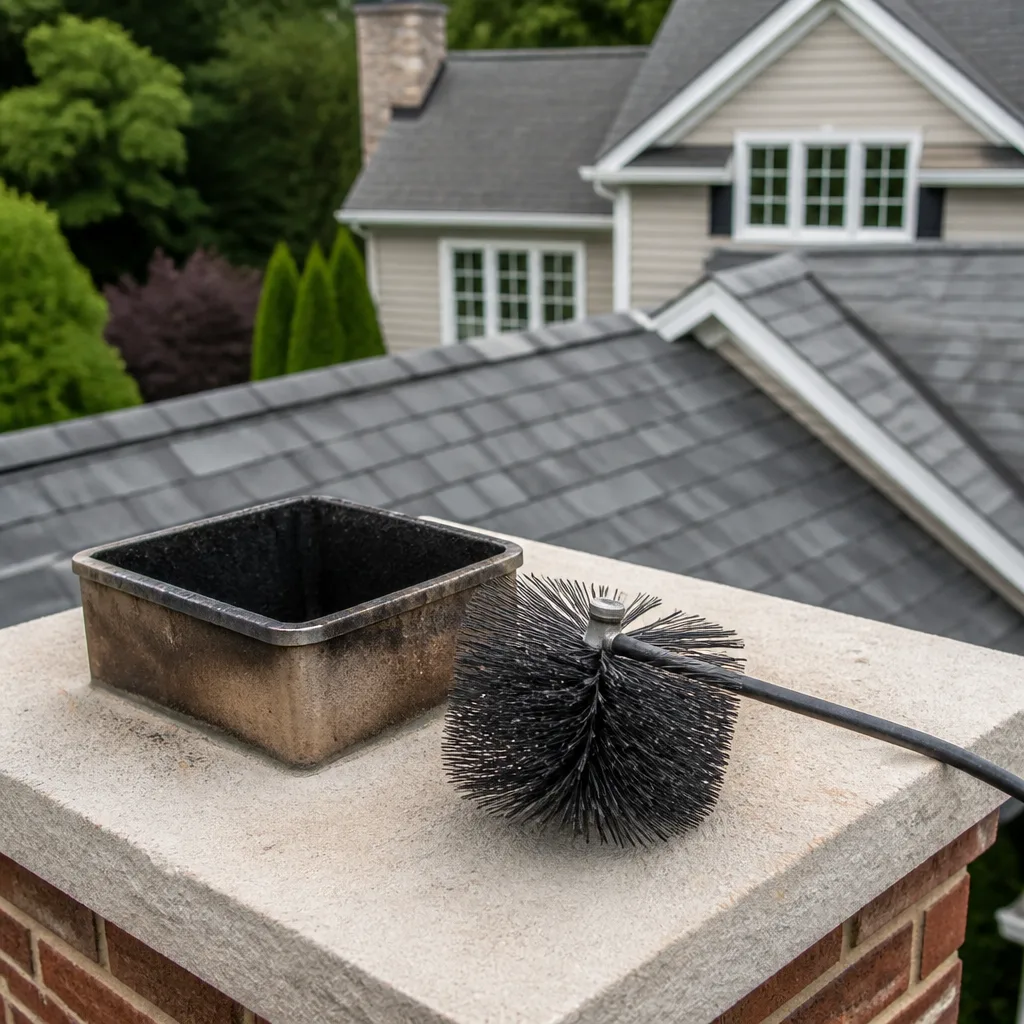
A standard homeowner brush kit contains a flexible fiberglass rod set, a polypropylene brush sized to the flue diameter, and sometimes a basic scraper. With this equipment, you can remove loose, powdery, first-degree creosote from the lower flue, the firebox walls, and the damper plate assembly. This is not nothing. First-degree creosote, formed during hot, fast burns with dry hardwood, brushes away readily. If you burn properly seasoned oak or almond in Sherman Oaks and maintain hot fire temperatures, this may be the majority of your deposit.
Here’s the specific scope of legitimate DIY cleaning:
- Firebox walls. A wire brush and shop vacuum remove ash, soot, and loose creosote from the firebrick or refractory panels. Check for cracked bricks or deteriorated mortar joints while you’re at it.
- Damper plate and throat. Remove the damper plate if possible, wire-brush both sides, and clean the throat opening where creosote often accumulates in thin, hard-to-see layers.
- Lower flue, accessible from below. Attach brush to rods, insert through damper opening, and brush up and down with moderate pressure for 10-15 passes. This reaches roughly 6-10 feet up, depending on ceiling height and rod flexibility.
- Smoke shelf, partially. A long-handled brush or modified paint roller can reach some portions of the smoke shelf from below, though visibility is poor and complete cleaning is unlikely.
The method is straightforward: protect the hearth area with drop cloths, wear a respirator rated for fine particulates (creosote particles are carcinogenic), work top-down in the flue to let gravity assist, and vacuum debris continuously rather than letting it accumulate. Dispose of creosote debris in a metal container with a lid; do not put it in household trash while warm.
What this accomplishes: removal of combustible material from the most accessible, highest-temperature zones. What it does not accomplish: anything involving the upper flue, the smoke chamber proper, liner condition assessment, or documentation.
In Sherman Oaks, where many homes built between 1945 and 1975 have masonry fireplaces with relatively straight flues, this DIY scope may cover 30-40% of the total cleaning need. The remaining 60-70% is where professional equipment and technique become non-negotiable.
Where DIY Work Stops Being Useful
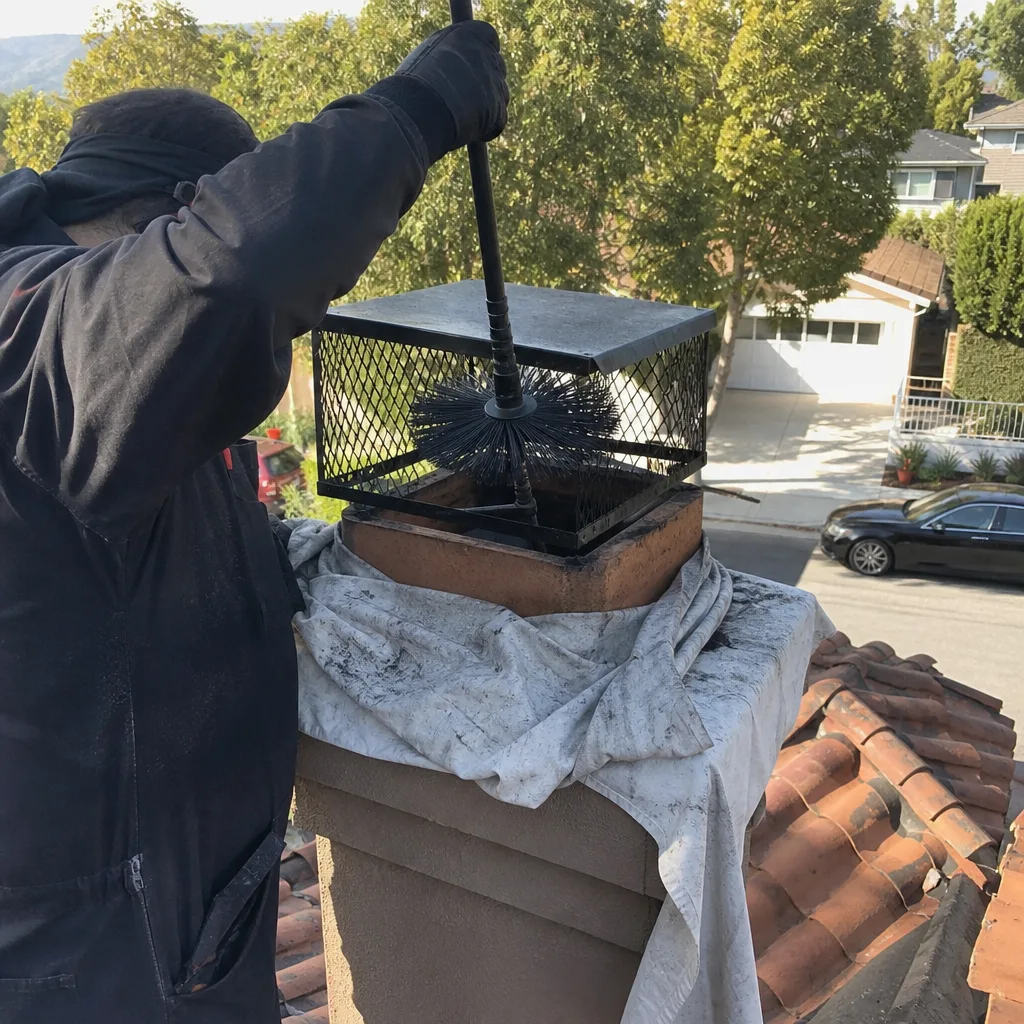
The transition from useful DIY work to inadequate DIY work happens at a specific physical point: the smoke chamber shelf, where the flue narrows above the firebox and turns vertical. Above this point, three problems converge that make homeowner brushing insufficient.
The smoke chamber geometry. The smoke chamber is the inverted funnel-shaped area above the damper and below the flue liner. NFPA 211 requires it to be parged smooth, but in older Sherman Oaks homes, many smoke chambers are corbeled brick with rough, irregular surfaces. Creosote adheres to these irregularities in thin, hard layers that a standard brush cannot reach or dislodge. Professional sweeps use specialized chamber whips, rotary systems, or hand scraping to clean this area. A homeowner’s brush kit simply doesn’t fit the geometry.
Glazed creosote formation. Second-degree and third-degree creosote, often called glazed or tar-like creosote, forms when wood burns slowly with restricted airflow, common in decorative fires or overnight burns. This material is not powdery; it’s a hard, glossy, nearly impermeable layer that standard brushing will not remove. In our experience across Sherman Oaks and the San Fernando Valley, glazed creosote appears in roughly 40% of chimneys that have not been professionally cleaned within 24 months. Removing it requires chemical treatment, rotary power sweeping, or in severe cases, mechanical removal with specialized chains or whips. Attempting to brush glazed creosote with a homeowner kit polishes the surface without removing the hazard.
Upper flue access and liner assessment. The upper third of the flue, where it exits the roof, is where the most severe deterioration typically occurs. This is the coolest section, where condensation accelerates liner corrosion and where creosote accumulation is often heaviest. A homeowner brush kit cannot generate sufficient force at full extension to clean effectively here, and more critically, cannot assess whether the liner has cracks, gaps, or spalling that would allow combustion gases to enter wall cavities. The only method for this assessment is a camera scan, which requires equipment no homeowner reasonably owns.
The specific point of failure: when you finish your DIY brushing and cannot answer, with evidence, what condition the upper liner is in, whether the smoke chamber is fully clean, or whether any glazed creosote remains. That uncertainty is where the risk lives.
Sherman Oaks-Specific Risk Factors
Sherman Oaks presents a particular profile of chimney construction and use patterns that affects the DIY vs professional calculation. Understanding these local factors helps homeowners assess their actual risk rather than relying on generic guidance.
Two-story flue heights and San Fernando Valley tract construction. Many Sherman Oaks homes, particularly in neighborhoods like Sherman Oaks Proper and the area near Van Nuys Boulevard, are single-story or split-level structures with relatively short flue runs. But in the hills south of Ventura Boulevard and in the Magnolia Park-adjacent sections, two-story construction with 25-30 foot flue heights is common. A homeowner brush kit with standard 3-foot rods becomes unwieldy at this length, and the brush loses contact pressure against the flue walls. Professional sweeps use heavier-duty rod systems, often 6-foot fiberglass or polypropylene sections, with torque-assist mechanisms that maintain cleaning force at height.
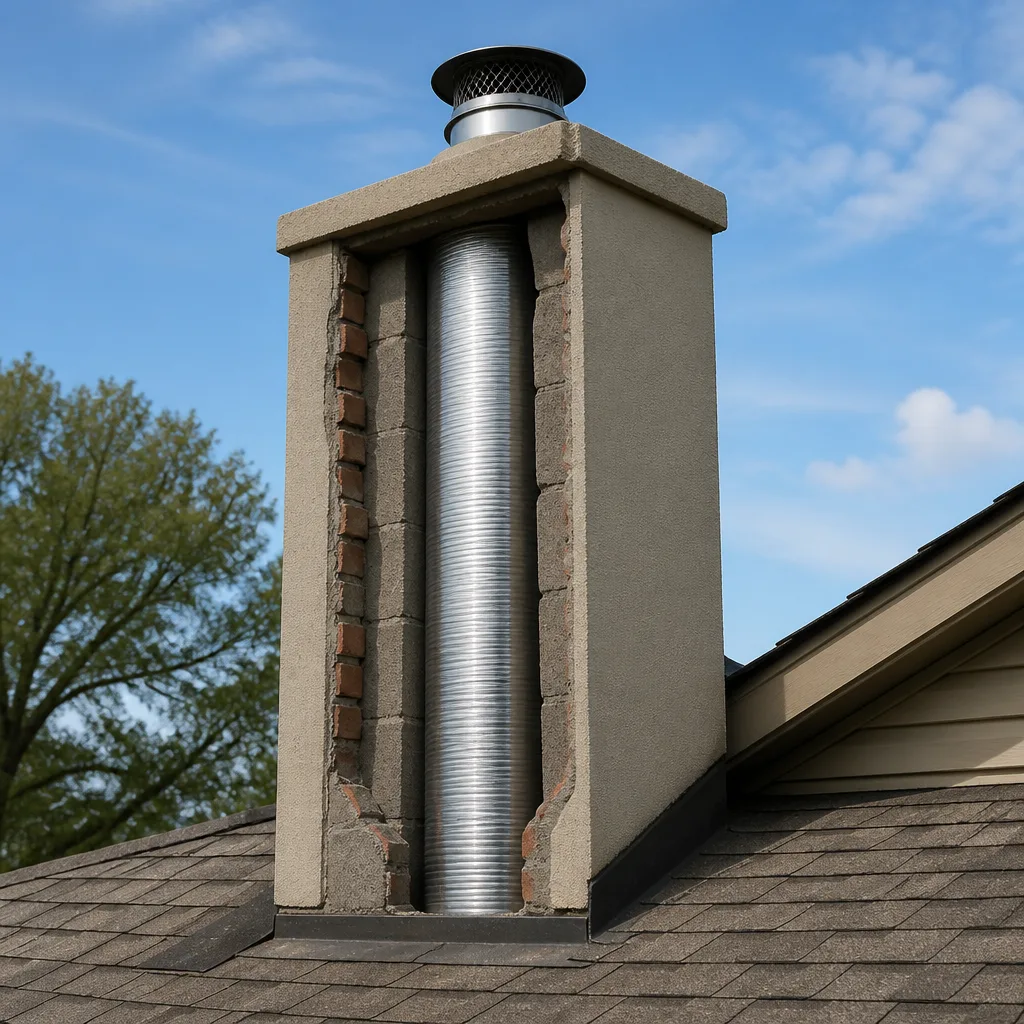
Factory-built fireplace prevalence. Homes built in Sherman Oaks between 1965 and 1995 often contain factory-built, metal-framed fireplaces with stainless steel or aluminum chimney systems. These units have specific cleaning requirements and failure modes that differ from masonry construction. Liner seams, which can separate due to thermal cycling, are not visible without camera inspection. The clearance requirements to combustible framing are precise and unforgiving. A homeowner brushing a factory-built system without understanding its construction can damage delicate liner components or miss critical separation points. In our inspections, we’ve found separated factory-built liner seams in approximately 15% of units over 20 years old in the Sherman Oaks market.
Local fuel and burning patterns. Sherman Oaks homeowners tend to use fireplaces for occasional ambiance rather than primary heating, which paradoxically increases creosote formation. Slow, smoldering decorative fires produce more incomplete combustion than hot, active burns. The mild San Fernando Valley winters mean fireplaces may sit unused for 8-9 months, allowing moisture accumulation that accelerates liner deterioration. When burning resumes, the combination of moisture and accumulated deposits creates ideal conditions for glazed creosote.
Seismic considerations. The 1994 Northridge earthquake caused structural damage to thousands of chimneys across the San Fernando Valley, including Sherman Oaks. Many chimneys were repaired cosmetically without full liner replacement or structural assessment. A homeowner performing DIY cleaning on a chimney with unrepaired seismic damage risks dislodging loose masonry or worsening hidden cracks. Camera inspection is the only method to distinguish between a chimney that survived the earthquake intact and one that sustained damage that was never properly addressed.
Local code and permit context. The City of Los Angeles requires permits for chimney liner replacement, structural repairs, and new chimney construction. While routine cleaning does not require a permit, any work that reveals code deficiencies, such as an unlined chimney or deteriorated mortar joints, triggers permit obligations. A professional sweep identifies these conditions and can advise on the permit path; a homeowner performing DIY work may complete a cleaning without ever recognizing that their chimney is not code-compliant.
What Professional Sweeps Find After DIY Cleaning
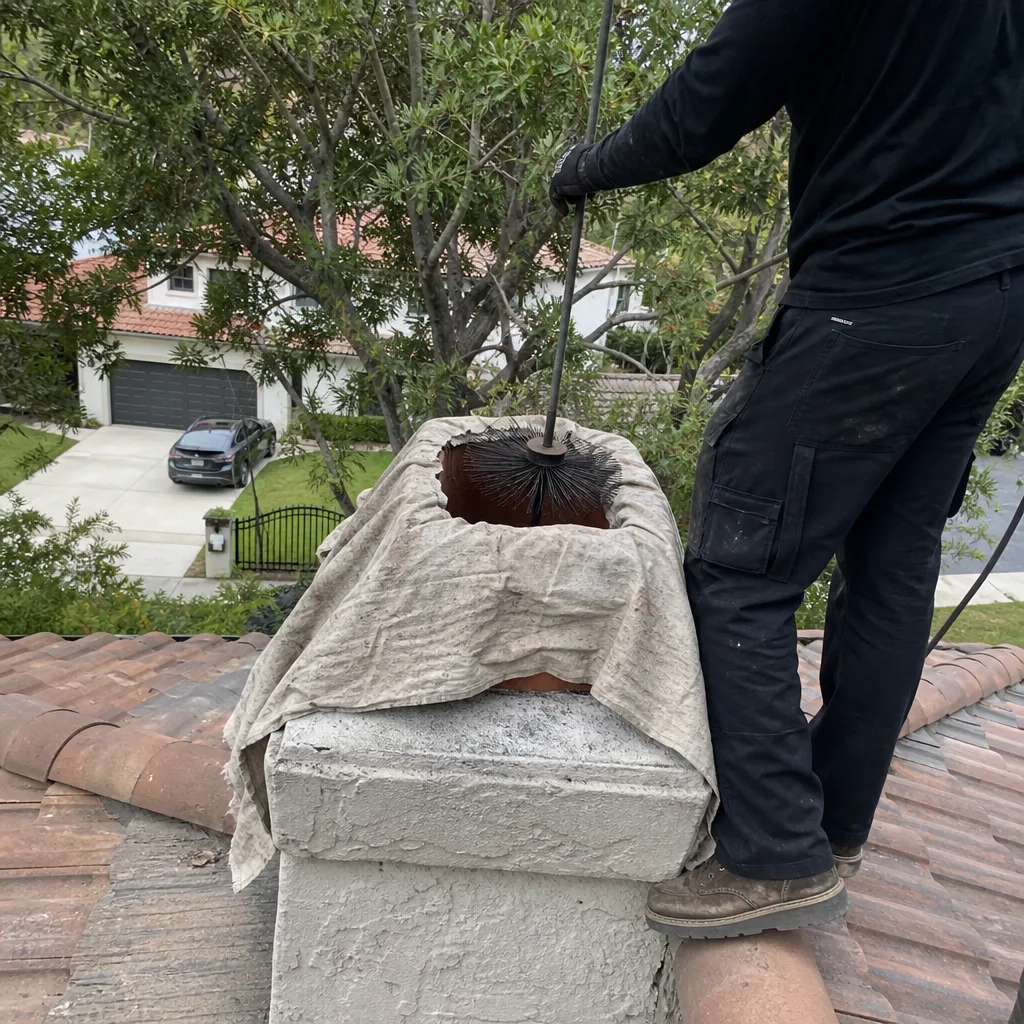
We’ve performed thousands of inspections in Sherman Oaks where homeowners preceded our visit with their own cleaning attempt. The patterns are consistent enough to describe with specificity.
Scenario one: the polished but incomplete clean. The homeowner brushed the lower flue thoroughly. First-degree creosote is largely gone from accessible sections. But the camera scan reveals a distinct line, typically 8-12 feet up, where brushing stopped. Above this line, creosote remains, often compacted into a harder layer by the partial brushing below. The smoke chamber shows smeared, partially disturbed deposits that were moved but not removed. The overall hazard is reduced but not eliminated, and the homeowner has no documentation of what was or wasn’t accomplished.
Scenario two: the hidden glazed layer. The homeowner reports, “I cleaned it last month, it looks fine.” The camera reveals a thin, dark, glossy layer coating the upper liner, invisible from below and undisturbed by standard brushing because it’s too hard. This is Class III creosote, defined by the Chimney Safety Institute of America as a hardened, tar-like deposit with significant fuel content. It ignites at lower temperatures than fresh creosote and burns with extreme intensity. A homeowner cannot identify this condition without camera inspection.
Scenario three: the damaged liner, previously unknown. During DIY brushing, the homeowner felt some resistance, assumed it was a creosote deposit, and brushed harder. Our camera scan reveals a cracked clay tile liner with a missing corner, or a stainless steel liner with a separated seam. The “resistance” was structural damage. Continued use without repair creates a direct path for combustion gases into wall cavities, with carbon monoxide and fire spread implications.
Scenario four: the factory-built separation. A homeowner with a factory-built fireplace in a Sherman Oaks tract home performed what seemed like a successful cleaning. Our inspection found a separated inner liner at the roof transition, a common failure point in metal chimney systems. The separation was not caused by the homeowner’s brushing, but it was also not visible or detectable without camera inspection. The chimney appeared functional but was actively leaking combustion gases into the chase enclosure.
What these scenarios share: the homeowner’s cleaning effort was genuine, the visible result appeared satisfactory, and a significant hazard remained invisible and undocumented. This is not a criticism of homeowner capability; it’s a statement about the limitations of tools and access.
The Documentation Gap: Why Records Matter
The most consequential difference between DIY and professional chimney cleaning is not the cleaning itself. It’s the record that exists, or doesn’t exist, when the work is complete.
A professional sweep following NFPA 211 Level 2 standards, which Emberly Chimney Cleaners Sherman Oaks home has used as our baseline since 2009, produces specific documentation: dated photographs of the flue interior, video or still images from the camera scan, a written condition assessment, and a scope of any recommended work with pricing. Clause 4 of the Haven Standard requires this photo record on every job, without exception. When we finish a cleaning, the homeowner has evidence.
A DIY cleaning produces no documentation. This gap becomes critical in three specific scenarios:
- Insurance claims after a chimney fire. If a fire originates in or near the chimney, the insurance adjuster will request maintenance records. A professional cleaning record with dated photos demonstrates due diligence. A homeowner’s statement that “I cleaned it myself” provides no verifiable evidence of what was done or what condition existed. We’ve been called to assist homeowners in Sherman Oaks and across Los Angeles whose insurance claims were disputed specifically because no professional inspection record existed.
- Real estate transactions. California real estate disclosure forms ask about chimney condition and maintenance history. A buyer’s inspector will camera-scan the flue as part of due diligence. If the seller’s only maintenance record is self-performed cleaning, the buyer has no basis to trust prior care, and the inspection becomes a potential deal point. Professional records, especially multi-year records showing consistent condition monitoring, support property value and transaction smoothness.
- Fire investigation findings. In the event of a structure fire where the chimney is a suspected origin point, fire investigators examine maintenance history as part of cause determination. Documented professional cleaning supports accidental cause findings. Absence of documentation leaves open questions about maintenance adequacy that can affect subrogation and liability determinations.
The Haven Standard’s Clause 4 documentation requirement exists because we recognized this gap in 2009, before most insurers or regulators asked for it. Every Chimney Sweep in Sherman Oaks we perform includes this record as standard, not as an optional add-on.
DIY vs Professional: Real Cost Comparison
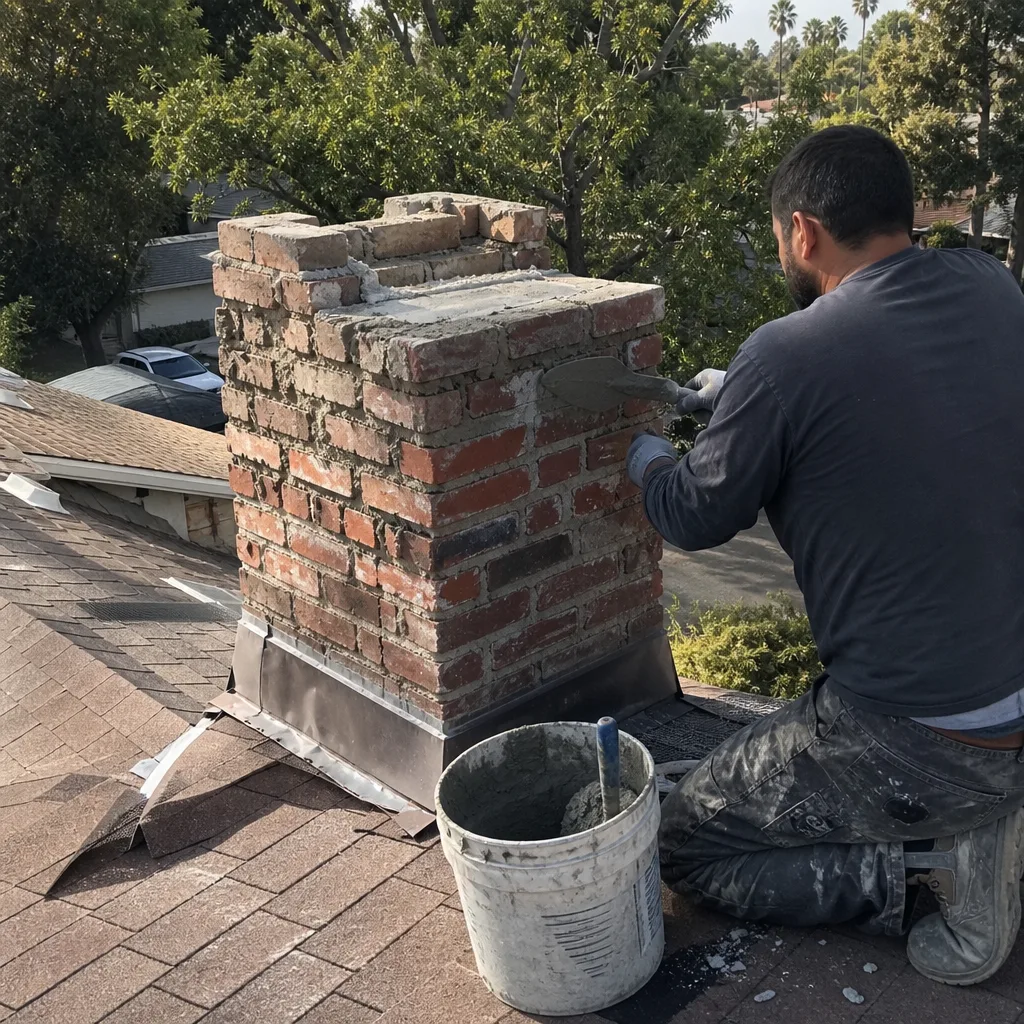
Cost transparency is central to how we operate, so here’s the Chimney Cleaning Cost Breakdown: The Sherman Oaks Homeowner’s Reference for 2026 with actual math.
| Item | DIY Approach | Professional Service |
|---|---|---|
| Initial equipment | $60-120 (brush kit, respirator, drop cloths, shop vacuum if not owned) | Included in service |
| Cleaning scope | Lower flue, firebox, partial smoke shelf | Full flue, smoke chamber, firebox, damper, exterior cap and crown inspection |
| Camera inspection | Not available; rental units $200+/day | Included; NFPA 211 Level 2 standard |
| Documentation | None | Dated photo/video record, written condition report |
| Glazed creosote removal | Not possible with standard kit | Chemical treatment or rotary removal as needed |
| Hazard identification | Limited to visible damage | Full liner assessment, structural evaluation, code compliance check |
| Typical Sherman Oaks cost | $60-120 one-time equipment | $250-450 for standard sweep with Level 2 inspection; $180-320 for sweep alone if condition is known good |
The professional cost range reflects Sherman Oaks market conditions: travel time from our dispatch point, parking access for our service vehicle, and the prevalence of two-story homes requiring extended ladder work. We provide a written price before any work starts, under Haven Standard Clause 1, so the exact cost is known before the technician begins.
DIY cost advantage exists only if: the chimney is in excellent condition, the homeowner already owns equipment, the burning pattern produces only light first-degree creosote, and no documentation will ever be needed. For most Sherman Oaks homeowners with fireplaces more than 10 years old, the professional service pays for itself in hazard identification alone.
Tools and Methods: A Side-by-Side Breakdown
Understanding what each approach actually involves helps clarify where the divergence occurs.
DIY Tool Set and Method
- Polypropylene chimney brush sized to flue diameter (typically 6″ or 8″ round, or 8″x12″ rectangular for factory-built units)
- Fiberglass extension rods, 3-foot sections, typically 4-6 included in kit
- Wire hand brush for firebox and damper
- Drop cloths and plastic sheeting for hearth protection
- N95 or P100 respirator (essential; creosote particulates are carcinogenic)
- Shop vacuum with HEPA filtration
- Method: Protect area, remove damper if possible, brush flue from below with up-and-down strokes, clean accessible surfaces, vacuum debris, dispose of creosote in sealed metal container
Professional Tool Set and Method
- Power rotary sweeping system (Chim-Scan, Viper, or equivalent) with adjustable-speed drill drive and flexible cable up to 40 feet
- Specialized brushes and whips: poly, wire, and custom configurations for different creosote types and flue conditions
- Smoke chamber whips for irregular surfaces above the damper
- Video inspection camera with 360-degree rotation, LED lighting, and recording capability
- Combustion gas analyzer for draft and spillage testing where indicated
- Exterior inspection equipment: ladders rated for roof access, crown and cap assessment tools, moisture meters
- Method: Interior camera scan before cleaning to establish baseline; rotary or manual sweeping based on creosote type and flue condition; smoke chamber cleaning with specialized tools; post-cleaning camera scan to verify results; exterior inspection of crown, cap, and flashing; written condition report with photos and recommendations
The critical difference is not the presence of more expensive tools, though that matters. It’s the sequence: camera first, clean based on what the camera shows, camera again to verify. This closed-loop process is impossible in DIY work because the camera equipment is specialized and the interpretation requires training. A homeowner can buy a cheap inspection camera for $100, but the image quality, lighting, and maneuverability are inadequate for flue inspection, and without training in what to look for, the images are not interpretable.
Materials we use for repairs when conditions warrant, sourced through Haven’s buying network to maintain honest pricing, include HeatShield cerfractory flue resurfacing, Gelco chimney caps and accessories, and Olympia Chimney stainless steel liner systems. These are not DIY-available products; they require professional installation with proper clearances and connections.
Common Mistakes to Avoid
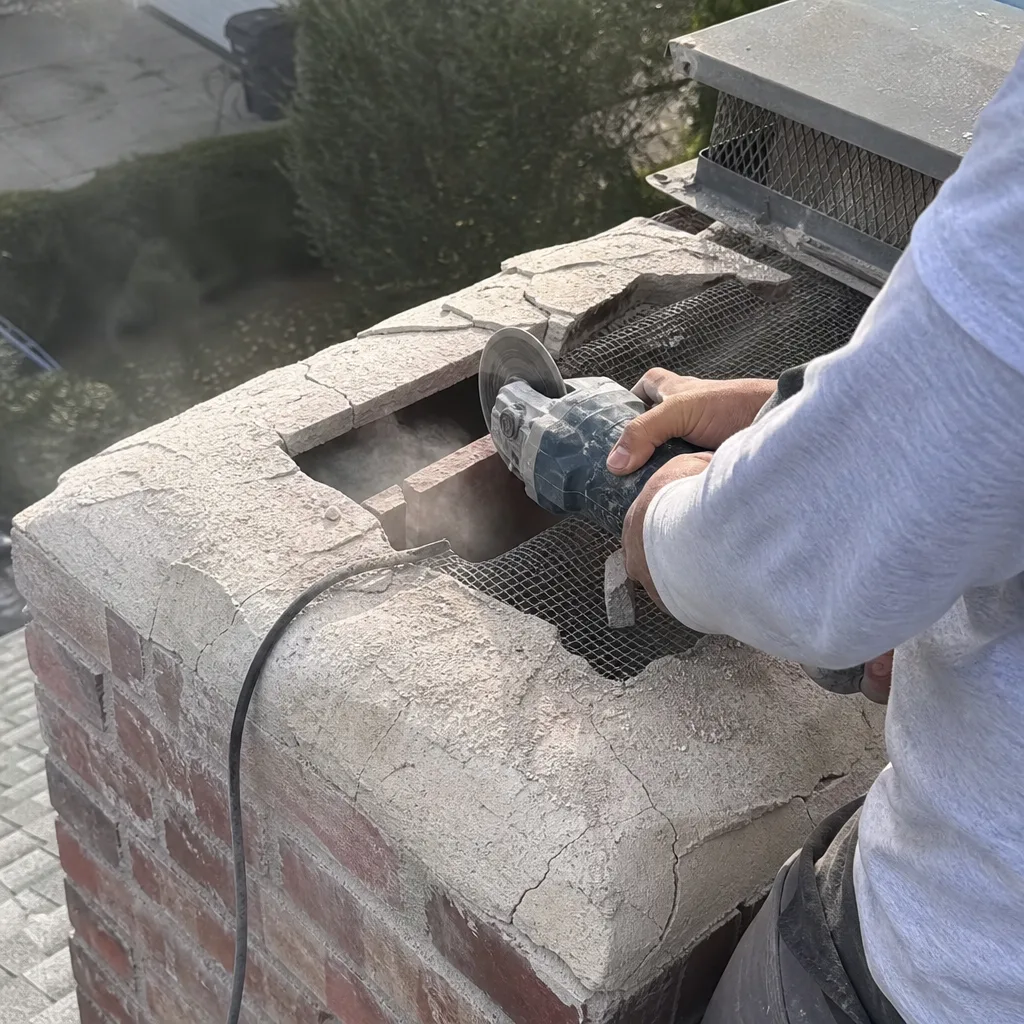
- Assuming a clean firebox means a clean flue. The firebox is the most visible and accessible area, so it gets the most attention. But chimney fires start in the flue and smoke chamber, not the firebox. A spotless firebox with a hazardous upper flue is a common post-DIY condition we encounter in Sherman Oaks inspections.
- Using the wrong brush size or material. A brush too small for the flue diameter skips the corners where creosote accumulates most heavily. A brush too large can damage clay tile liners or lodge stuck in metal factory-built liners. Metal brushes on metal liners cause scoring that accelerates corrosion.
- Neglecting the smoke chamber entirely. Many DIY guides don’t mention the smoke chamber, or suggest it’s inaccessible. It’s not inaccessible; it requires tools most homeowners don’t have. Leaving it uncleaned leaves a significant accumulation zone that feeds chimney fires.
- Cleaning without inspecting first. Professional sweeps camera-scan before cleaning to identify structural damage that brushing could worsen. A homeowner who brushes aggressively through a cracked liner or separated factory-built seam can enlarge the damage and increase hazard.
- Disposing of creosote debris improperly. Creosote is combustible and can spontaneously ignite if concentrated and warm. We’ve responded to garage and trash can fires in Sherman Oaks caused by homeowners storing creosote debris in paper bags or plastic bins. Metal container, sealed lid, fully cooled.
- Assuming “no problems” means “no inspection needed.” Many chimney hazards produce no visible symptoms until failure. A liner crack doesn’t change draft noticeably until it’s severe. Carbon monoxide spillage from a deteriorated flue is odorless and invisible. The absence of problems is not evidence of safety; it’s evidence that hidden deterioration hasn’t reached critical threshold yet.
- Skipping annual inspection because “I cleaned it myself.” NFPA 211 recommends annual inspection for all chimneys, regardless of cleaning status. DIY cleaning does not substitute for professional assessment of structural condition, clearances, and code compliance.
When to Call a Professional
Call a professional sweep when: your chimney has not been camera-inspected within 12 months; you burn more than one cord of wood per season; you’ve noticed draft problems, smoke spillage, or unusual odors; you’re buying or selling a home; your insurance carrier requests maintenance documentation; or you’ve performed DIY cleaning and want verification of completeness and condition. For guidance on selecting qualified help, see our How to Hire a Chimney Cleaning Contractor in Sherman Oaks: A Step-by-Step Guide.
In Sherman Oaks, where factory-built fireplaces are common and seismic history complicates structural assessment, we recommend professional inspection every 12 months even for light-use fireplaces. The cost of documented certainty is modest compared to the cost of undetected deterioration.
Chimney Repair in Sherman Oaks and professional cleaning services from Emberly Chimney Cleaners include NFPA 211 Level 2 camera inspection, written pricing before work starts under Haven Standard Clause 1, and the documented photo record required by Clause 4. We offer free second opinions on any competitor’s written estimate, and our 365-Day Done Right Promise applies to every job. Call (424) 414-6048 for a free estimate in Sherman Oaks.
Frequently Asked Questions
A standard chimney sweep with NFPA 211 Level 2 camera inspection in Sherman Oaks typically runs $250-450, depending on flue height, accessibility, and creosote condition. A sweep alone, when prior inspection confirms good condition, ranges $180-320. We provide a written, itemized price before any work starts, with no changes without your approval. Call (424) 414-6048 for an exact quote, estimates are free.
You need a new liner when the existing liner is cracked, separated, missing sections, or improperly sized for your appliance, as confirmed by camera inspection and documented with photos. Not every chimney needs relining; many clay tile liners in good condition can continue in service for decades. We evaluate liner condition against NFPA 211 standards and show you the camera footage so you can see what we see. When relining is necessary, we specify why and provide a written scope with alternatives. Call (424) 414-6048 for an inspection and second opinion.
NFPA 211 recommends annual inspection for all chimneys, with cleaning frequency based on creosote accumulation. Most Sherman Oaks homeowners burning 0.5-1 cord of seasoned hardwood per season need cleaning every 1-2 years. Those burning more, burning unseasoned wood, or using fireplaces for primary heat may need annual cleaning. The mild climate here means many chimneys sit unused long enough for moisture and debris accumulation, so annual inspection matters even for occasional users. Our Seasonal Chimney Cleaning Care for Sherman Oaks: Year-Round Homeowner’s Guide covers timing in detail.
Skipped cleaning allows creosote accumulation, which increases chimney fire risk and can restrict draft enough to cause smoke spillage or carbon monoxide entry. In Sherman Oaks, we’ve found chimneys with 1/4-inch or greater creosote buildup after 3-4 years without cleaning, which is sufficient fuel for a destructive chimney fire. Longer neglect allows moisture damage to liners and masonry, accelerating deterioration that becomes more expensive to repair. The cost of routine cleaning is consistently lower than the cost of fire damage or major rebuilds.
Chimney cleaning logs contain chemicals intended to dry and loosen light creosote deposits. They do not remove creosote, do not clean the smoke chamber, do not inspect liner condition, and produce no documentation. In our professional experience, they have limited effectiveness even on light first-degree creosote and no effect on glazed deposits. They are not a substitute for mechanical cleaning or professional inspection.
A Level 1 inspection is a visual examination of readily accessible portions of the chimney exterior and interior, appropriate when no changes have been made to the system. A Level 2 inspection, which we perform as standard on every visit, includes video camera scanning of the flue interior, accessible portions of attics and crawl spaces, and inspection of the chimney exterior from the roof. Level 2 is required for real estate transactions, after chimney fires, or when any change is made to the system. The camera documentation produced under Haven Standard Clause 4 is only possible with Level 2 scope.
The Bottom Line
DIY chimney cleaning has a legitimate but limited scope: firebox, damper, and lower accessible flue, performed with proper safety equipment and debris disposal. It cannot reach the smoke chamber, cannot assess liner condition, cannot remove glazed creosote, and produces no documentation. For Sherman Oaks homeowners, the specific risks of two-story flue heights, aging factory-built fireplaces, and seismic history make professional camera inspection a prudent annual practice regardless of DIY efforts. The decision is not whether you’re capable of brushing; it’s whether you can see, assess, and prove what remains when the brushing stops. Professional service closes that gap with documented evidence, and the cost is modest compared to the uncertainty it eliminates.
Written by Corrine Halstead, Owner at Emberly Chimney Cleaners Sherman Oaks, serving Sherman Oaks since 2009.