
Last updated September 21, 2026
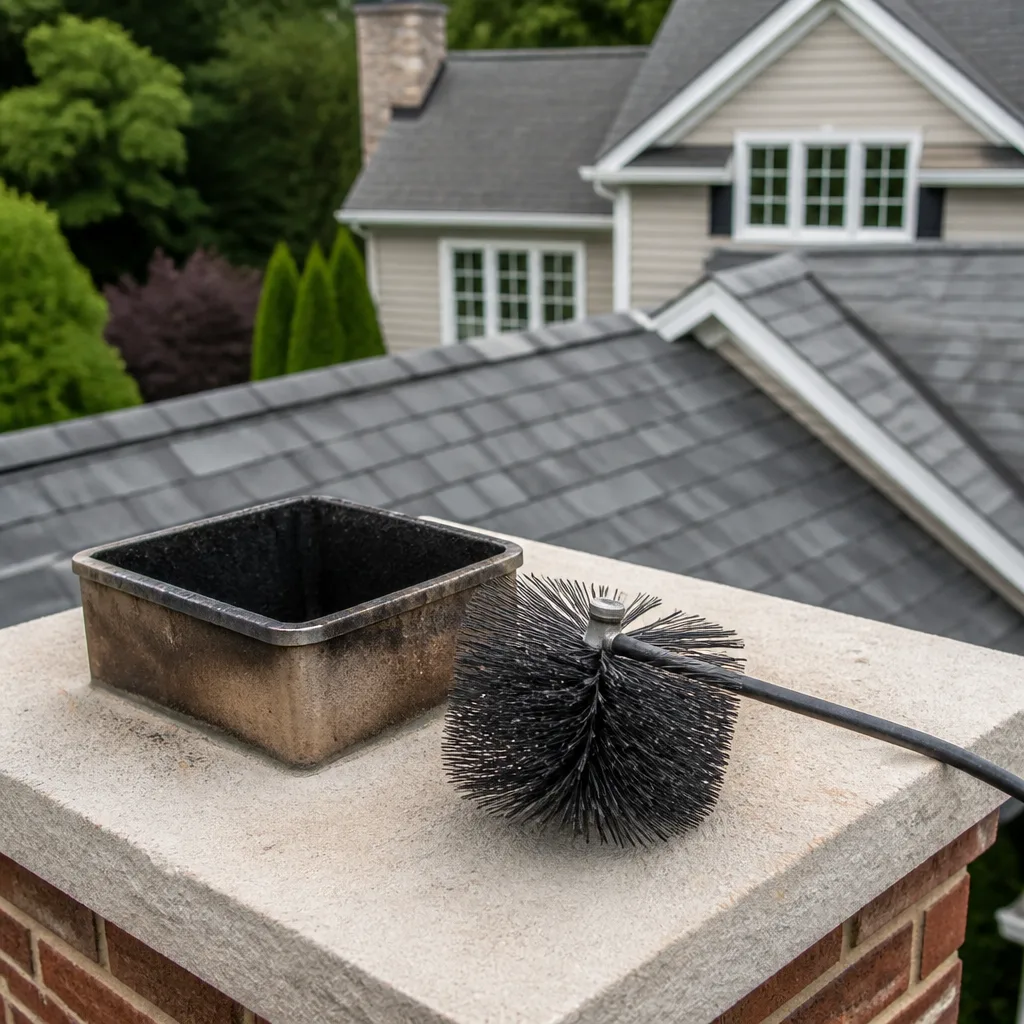
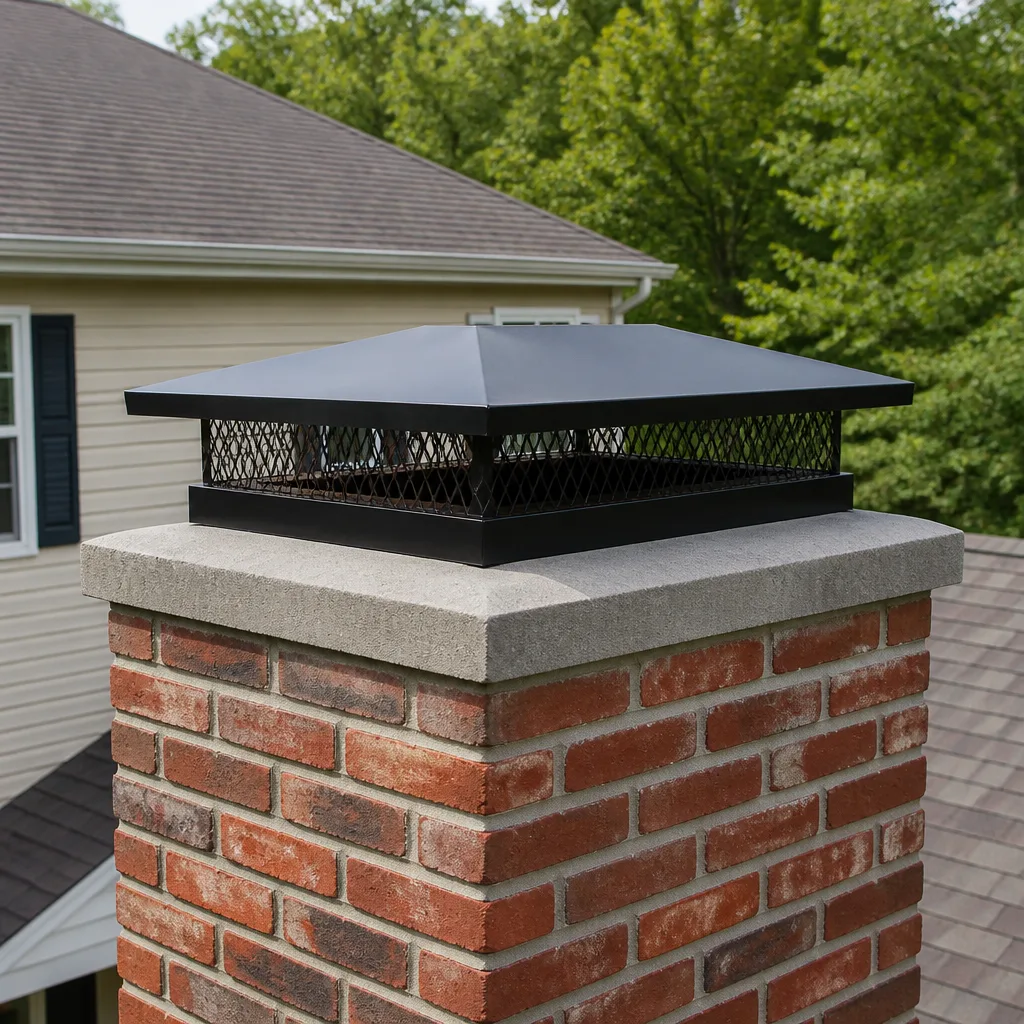
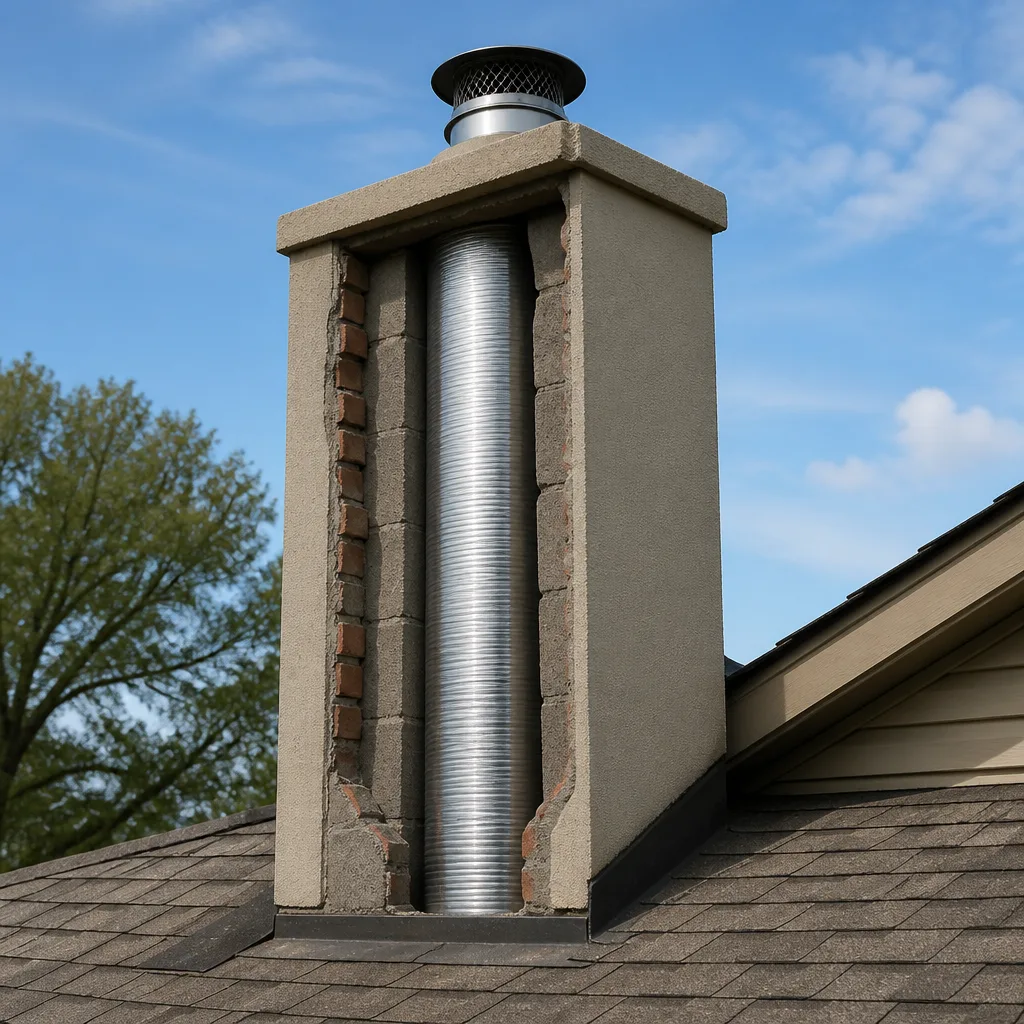
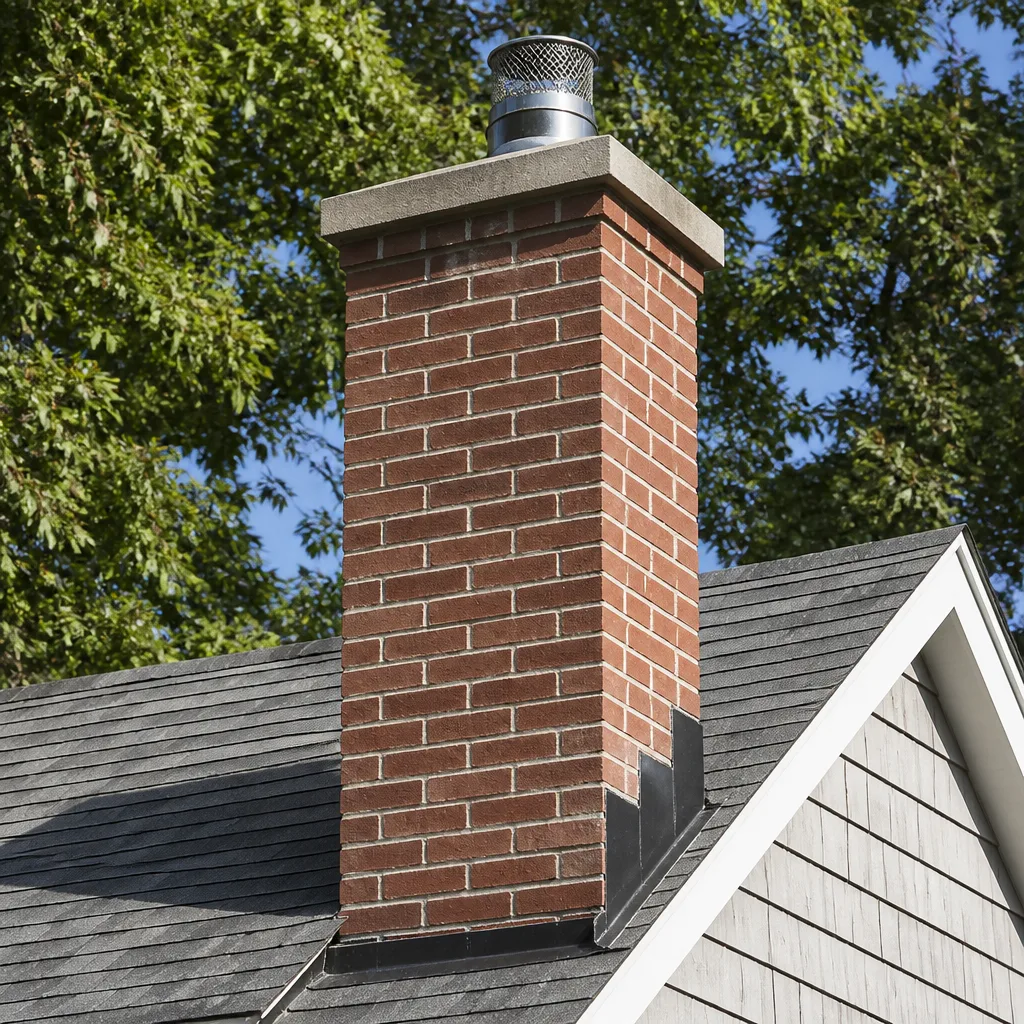
Level 1 sweep and inspection to the NFPA 211 annual standard - flue, crown, cap, and flashing checked and photographed
Chimney sweep logs do not sweep chimneys. They loosen some creosote - which then falls where a brush and vacuum still have to collect it.
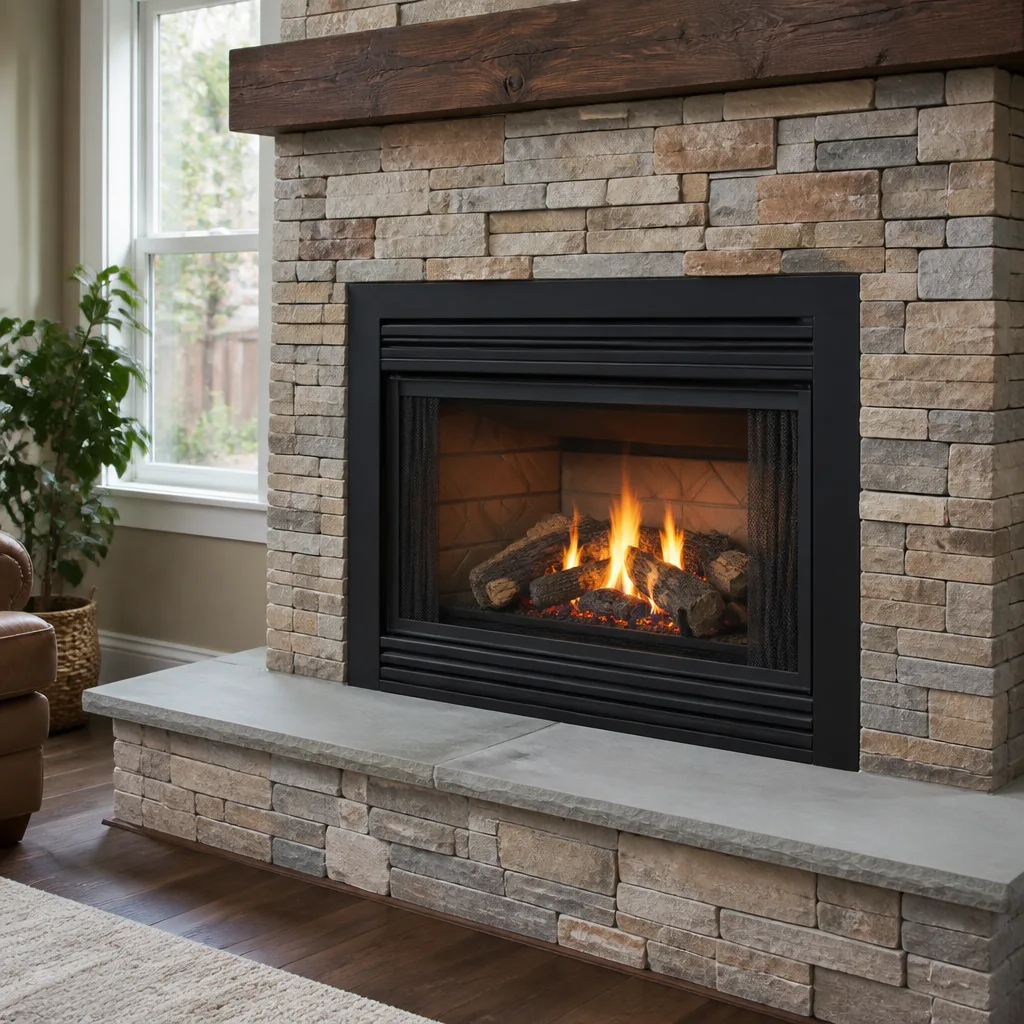
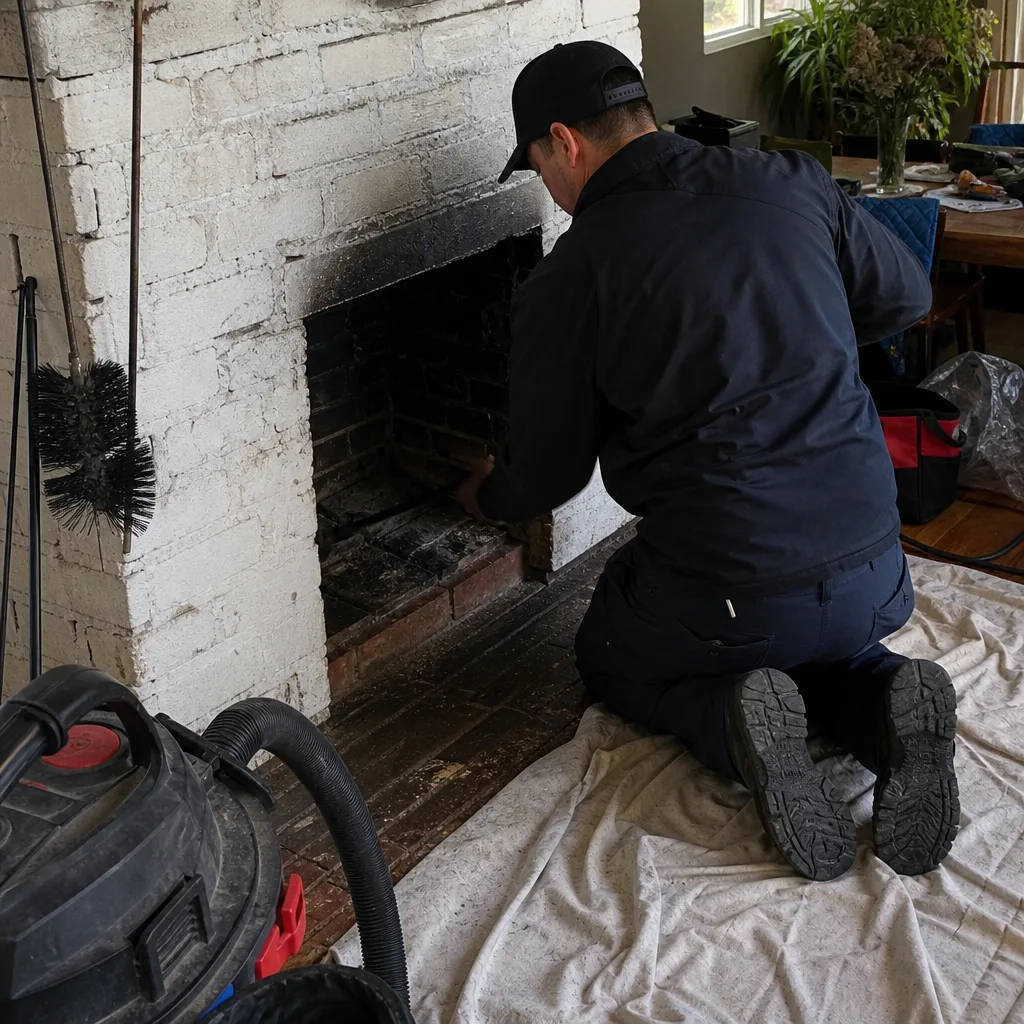 Before
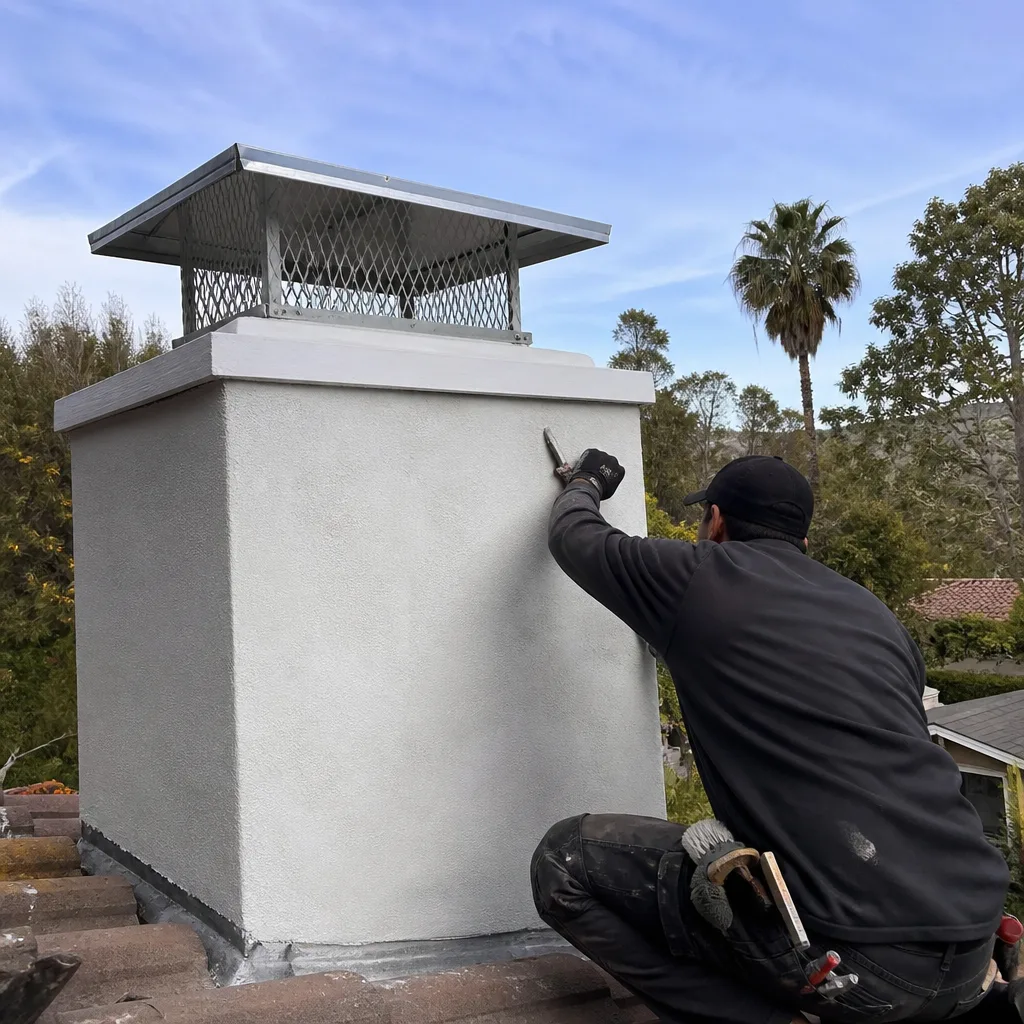 After
After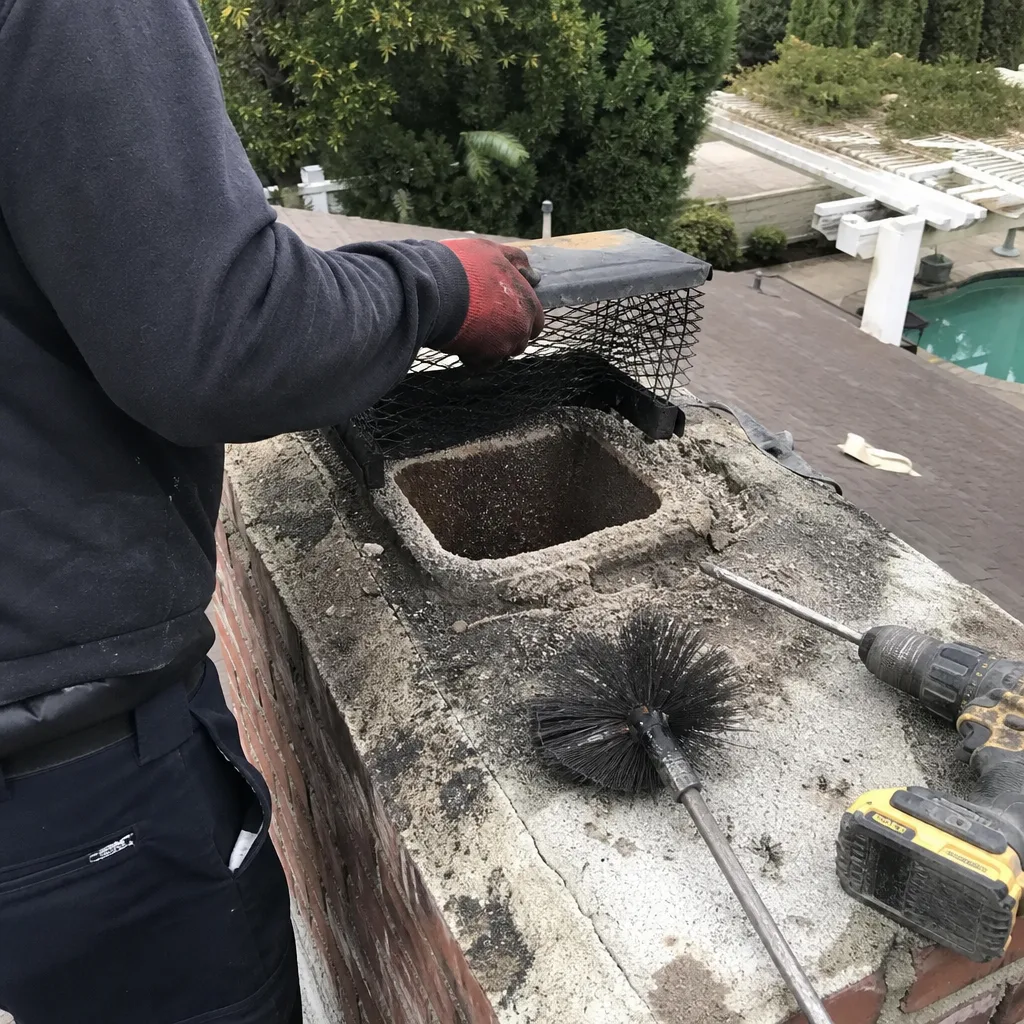 Before
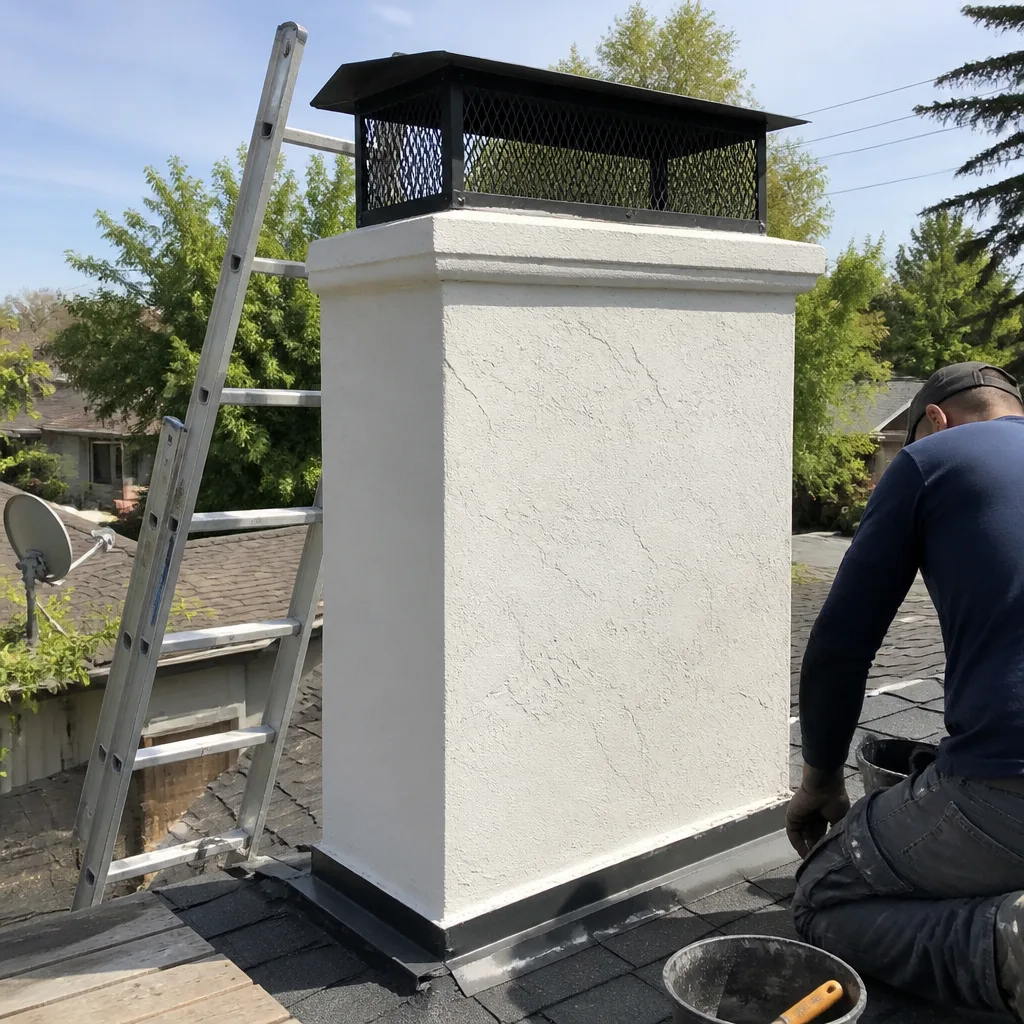 After
After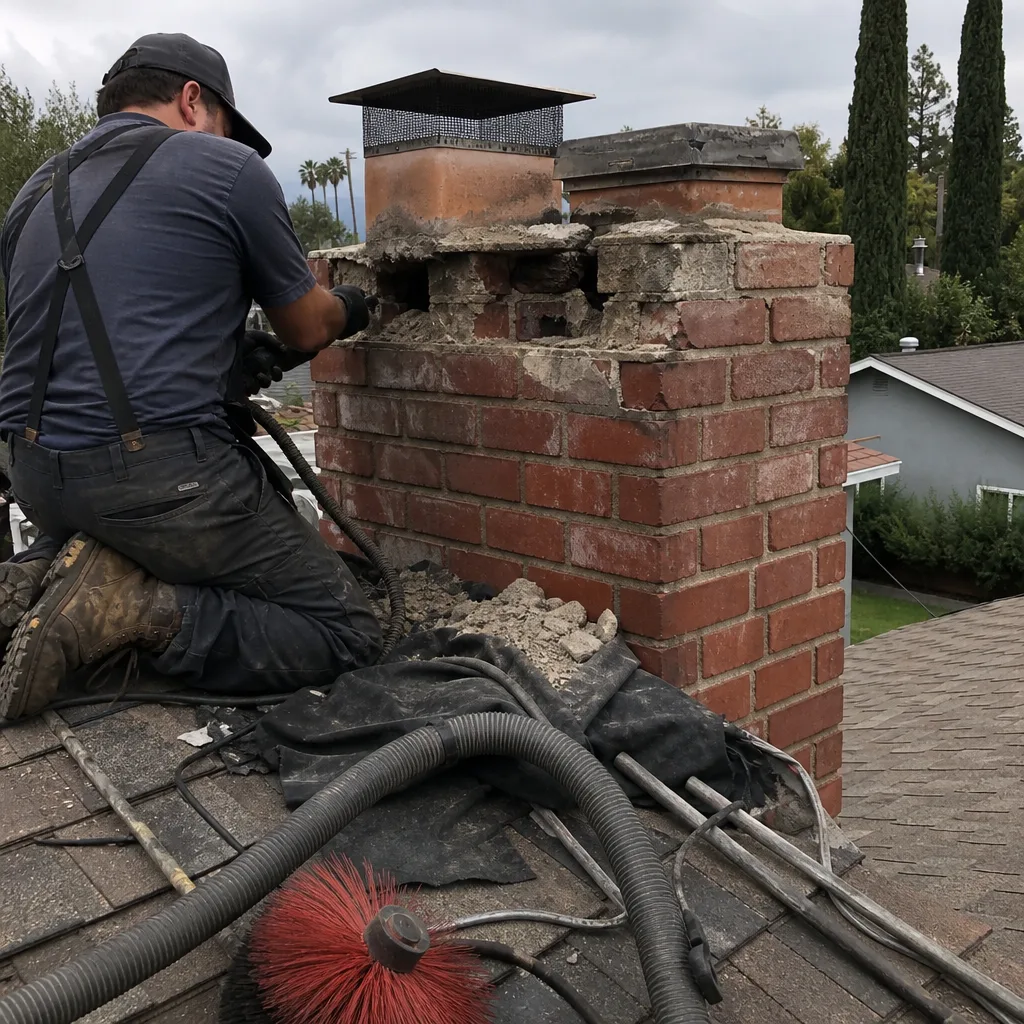 Before
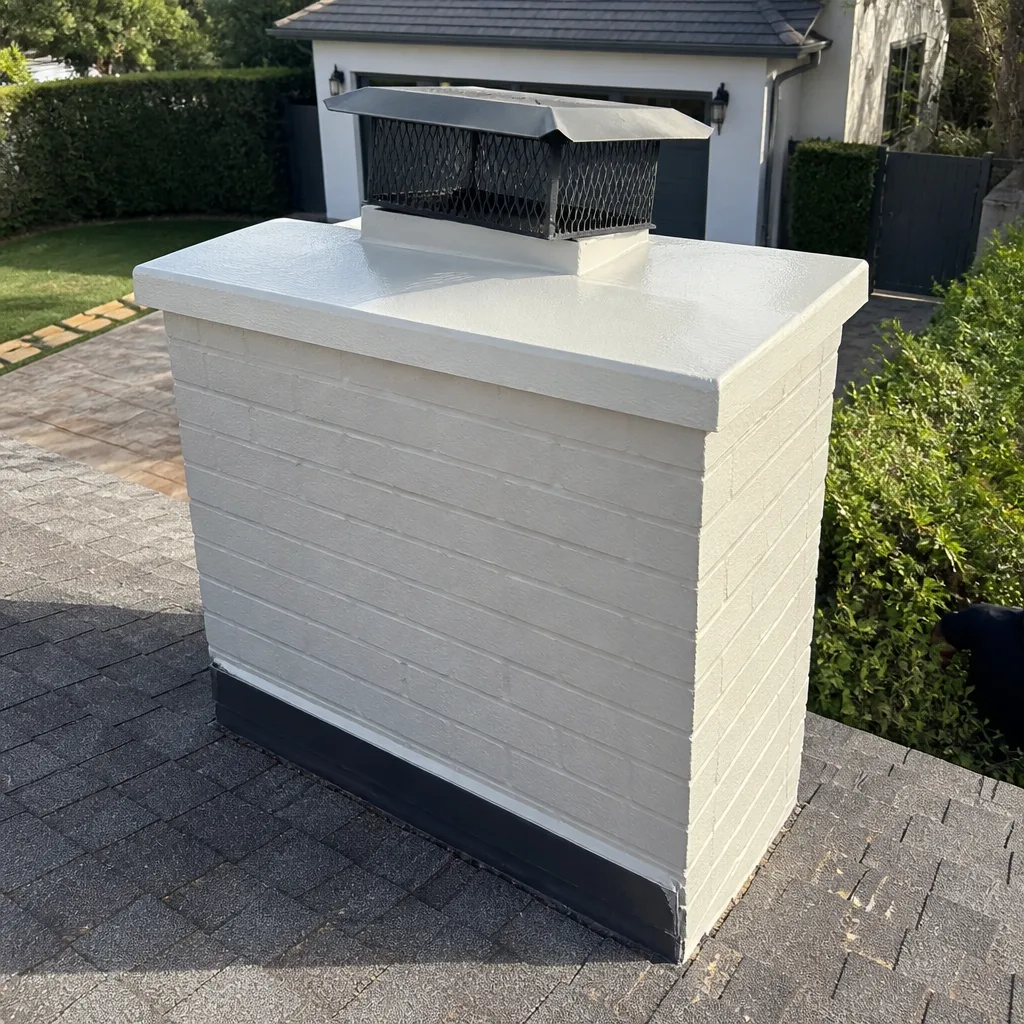 After
AfterThe Complete Guide to Chimney Cleaning in Sherman Oaks
In 2018, the Woolsey Fire burned through the Santa Monica Mountains just 35 miles from Sherman Oaks. County fire investigators later noted that a significant share of residential chimney fires in the region involved flues that had been “cleaned” but never scoped - meaning creosote in the upper liner was never seen, let alone removed. Most homeowners here treat chimney cleaning as a single annual task, but the flue system has four distinct zones, each with its own failure mode and cleaning method. This guide maps what accumulates in each zone, why a brush-only sweep misses the smoke chamber entirely, and what a legitimate cleaning actually looks like on camera. For more guides & resources on chimney safety and home maintenance, explore our blog.
Quick Answer
Professional chimney cleaning in Sherman Oaks costs $199-$389 for a standard sweep with NFPA 211 Level 2 camera inspection, and should be performed annually for wood-burning systems and every two to three years for gas inserts. For help deciding whether to tackle maintenance yourself or call a pro, see our DIY vs Professional Chimney Cleaning: The Sherman Oaks Homeowner’s Decision Guide. A legitimate cleaning addresses four distinct zones - firebox, smoke chamber, flue liner, and cap - with mechanical brushing, chemical treatment for glazed creosote, and a documented photo record confirming debris removal. In Sherman Oaks’s climate of cool mornings and warm afternoons, the stop-start burn pattern produces glazed creosote faster than continuous cold-climate burning, making camera verification especially critical.
Table of Contents
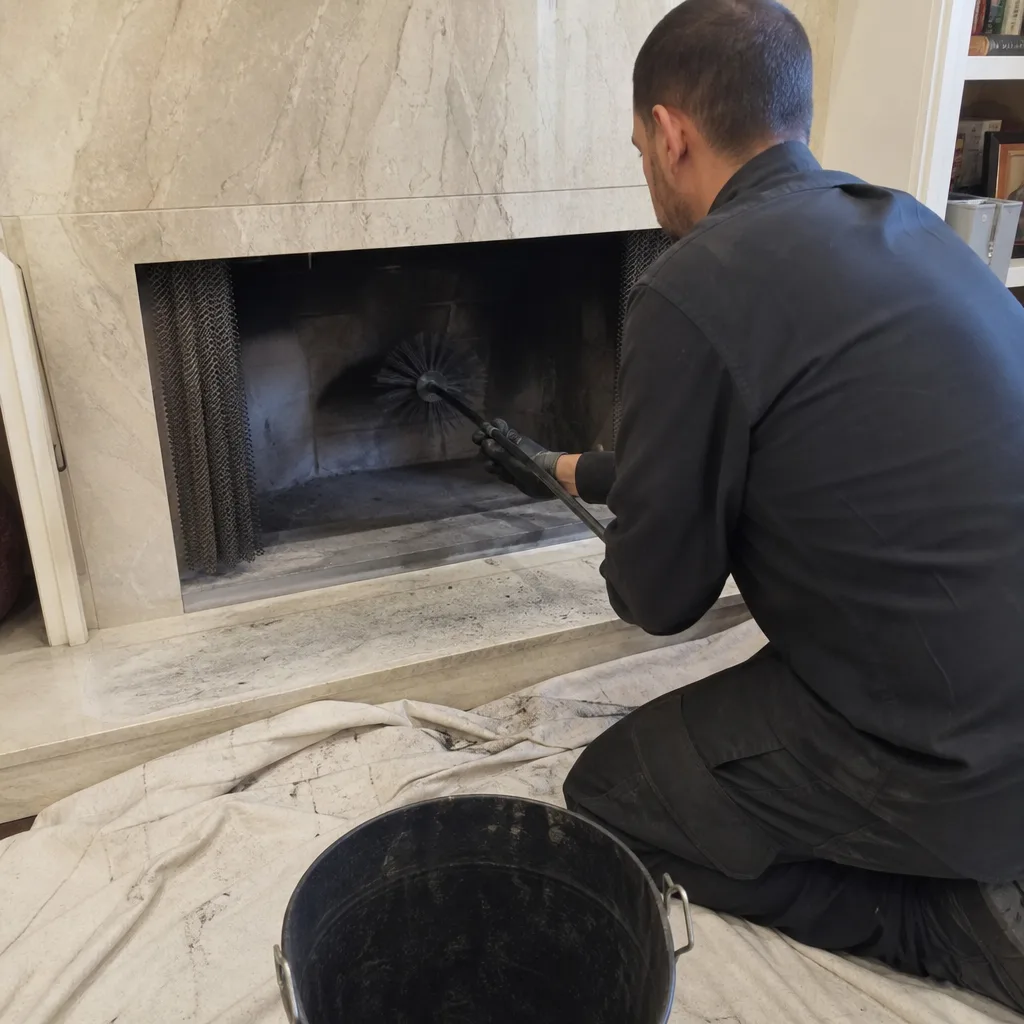
- Zone-by-Zone: What Actually Needs Cleaning in Your Flue
- Why Sherman Oaks’s Burn Pattern Produces Glazed Creosote Faster
- What Camera Verification Looks Like Before and After
- NFPA 211 Level 1 vs. Level 2: Which Inspection You Actually Need
- Written Documentation: What a Real Service Record Includes
- Chimney Cleaning Costs in Sherman Oaks
- How Often to Clean Based on Fuel Type and Usage
- Common Mistakes to Avoid
- When to Call a Professional
- Frequently Asked Questions
- The Bottom Line
BeforeAfterZone-by-Zone: What Actually Needs Cleaning in Your Flue
A chimney is not a hollow tube. It is a system of four zones, and each accumulates different debris, requires different tools, and presents different risks when neglected. A brush-only sweep - the kind that takes 20 minutes and leaves a pile of soot in your fireplace - typically cleans only one zone thoroughly and skips the others entirely.
Zone 1: The Firebox
The firebox is the visible chamber where combustion occurs. In Sherman Oaks, we see heavy ash accumulation from oak and eucalyptus, the two most common local fuels. Ash is alkaline and corrosive to firebrick and refractory mortar. Left packed against the walls, it accelerates spalling - the flaking or popping of brick faces - and can obscure cracks that indicate heat damage.
What legitimate cleaning looks like: Complete ash removal with a HEPA vacuum, not a shop vac. Hand-brushing of refractory panels in factory-built units to remove glazed carbon. Visual inspection of firebrick joints for erosion wider than 1/8 inch. In our experience working through Sherman Oaks neighborhoods from Magnolia Woods to Chandler Estates, firebox neglect is the most common cause of premature refractory failure in factory-built units installed during the 2015-2020 construction wave.
Zone 2: The Smoke Chamber
The smoke chamber is the inverted funnel above the firebox that channels gases into the flue liner. It is the most overlooked zone in amateur and cut-rate cleaning. The chamber walls are often corbeled brick - stepped inward - creating ledges where creosote and soot pack into corners. NFPA 211 requires smoke chamber walls to be parged smooth with refractory mortar, but many older Sherman Oaks homes, particularly those built in the 1950s and 1960s near Van Nuys Boulevard, have unparied chambers with rough corbelling.
A standard round brush never contacts smoke chamber walls. Specialized tools - flat whips, chamber vacuums, and hand scraping - are required. We regularly find Class III glazed creosote (hard, shiny, tar-like) packed into smoke chamber corners in homes where the homeowner believed the chimney was “just swept last year.” This is the material that ignites at 451°F and burns at temperatures exceeding 2,000°F.
Zone 3: The Flue Liner
The flue liner is the vertical conduit that carries exhaust to the cap. In Sherman Oaks, we encounter three liner types: clay tile (most common in pre-1990 masonry), stainless steel (common in retrofits and factory-built systems), and cast-in-place refractory (less common, typically high-end installations). Each accumulates creosote differently.
Clay tile develops glazed creosote in the joints between tiles, where brush bristles cannot reach. Stainless steel creates a smoother surface but can still develop glazed deposits if burning cycles are short. Cast-in-place systems have the smoothest interior but are susceptible to cracking from thermal shock.
Camera inspection is the only method that verifies liner cleanliness. A brush can pass through a liner that still contains significant glazed deposits on the upper sections, particularly where the flue passes through the cooler attic space in Sherman Oaks’s split-level and ranch homes. The camera reveals what the brush missed.
Zone 4: The Chimney Cap and Crown
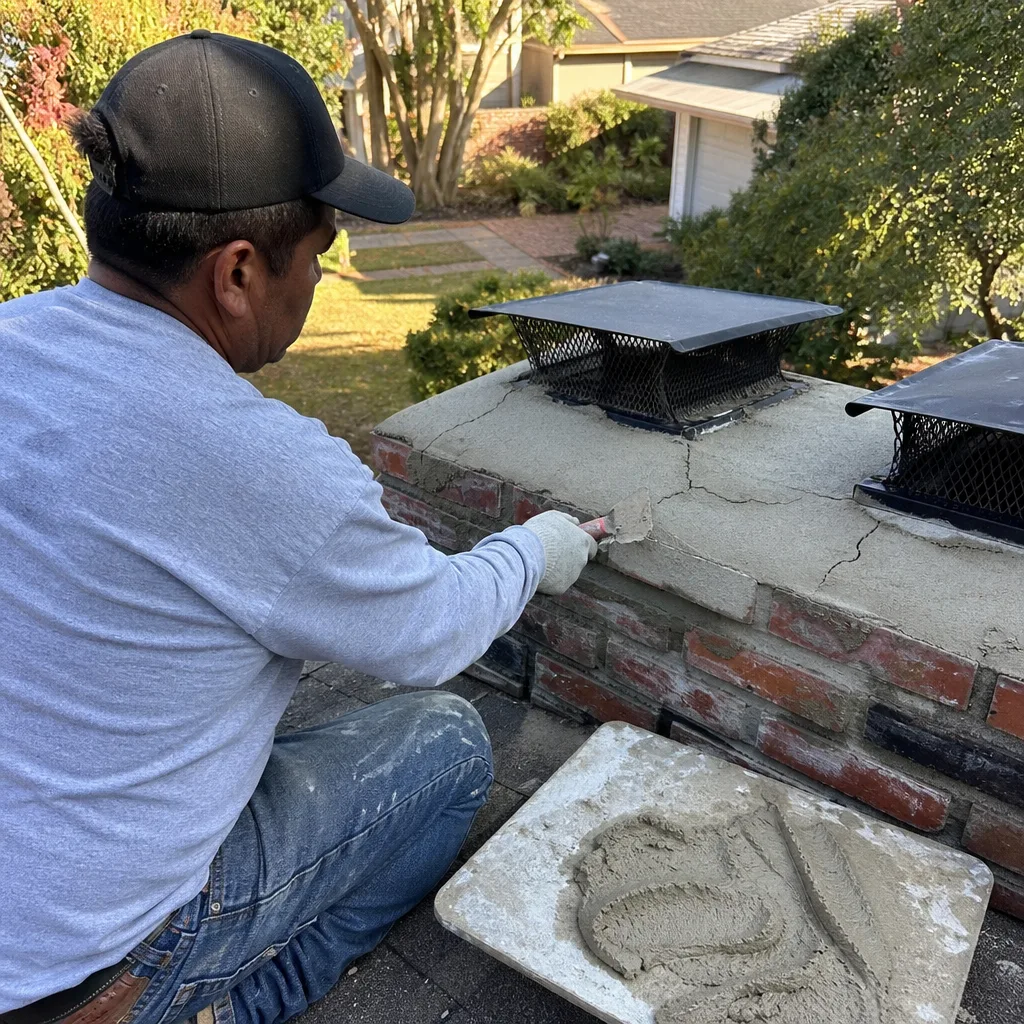
The cap prevents water, debris, and animal intrusion. The crown is the concrete or mortar slab that sheds water from the chimney top. In Sherman Oaks’s Mediterranean climate - wet winters, dry summers, occasional Santa Ana wind events - crown deterioration is accelerated by thermal cycling. Water that penetrates the crown saturates the masonry below, and when it mixes with creosote residue in the flue, it produces acidic compounds that degrade liner surfaces.
Cleaning includes cap removal (where accessible), debris clearing from the spark arrestor mesh, and crown inspection for cracks wider than 1/16 inch. We document crown condition with photos from the roof level, not just the camera looking down. In the hills south of Ventura Boulevard, where wind exposure is highest, we see cap displacement and mesh clogging from leaf debris more frequently than in the flatter neighborhoods north of the boulevard.
Why Sherman Oaks’s Burn Pattern Produces Glazed Creosote Faster
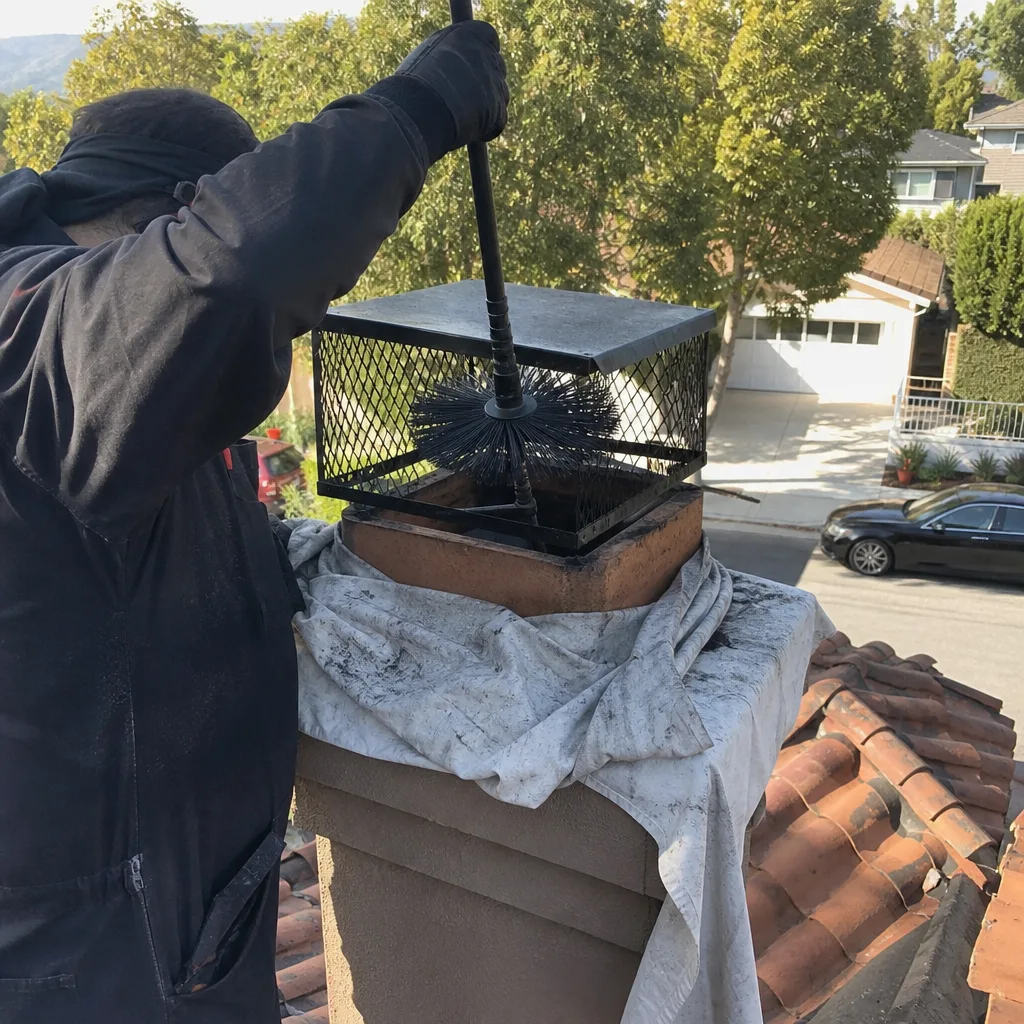
Sherman Oaks has a distinctive burn profile that differs from cold-climate regions and even from coastal Los Angeles. Morning temperatures from November through March regularly drop into the 40s and low 50s. By afternoon, temperatures rise into the 60s or 70s. This pattern produces a specific firing behavior: a morning fire to take the chill off, then shutdown as the house warms with solar gain or the heating system.
This stop-start pattern is the worst possible cycle for creosote formation. Here’s why:
- Cold start, rapid heating: When a fire is lit in a cold flue, the initial combustion is incomplete. Volatile hydrocarbons escape up the flue before the firebox reaches sustained high temperatures.
- Short burn duration: The fire is extinguished before the flue fully warms. These hydrocarbons condense on cooler liner surfaces rather than exhausting completely.
- Repeated cycles: Each morning fire adds a new layer of condensate before the previous layer has fully oxidized or burned away.
- Glazing: Over 20-30 such cycles, the accumulated layers polymerize into third-degree glazed creosote - hard, shiny, and essentially impervious to standard brushing.
In contrast, a continuous cold-climate fire that burns for 8-12 hours maintains flue temperatures above 250°F throughout, keeping hydrocarbons in vapor phase until exhaust. The flue stays cleaner despite heavier overall use.
We’ve documented this pattern extensively in Sherman Oaks homes, particularly in the Magnolia Woods and Chandler Estates areas where mature tree canopy creates cooler morning microclimates. Homeowners who burn 3-4 times per week during Sherman Oaks’s “sweater weather” season often accumulate more glazed creosote than cold-climate users who burn daily for months.
The implication is direct: Sherman Oaks chimneys need camera verification more than volume-based scheduling suggests. A chimney that “looks fine” from below or that received a quick brush service may still harbor significant glazed deposits in the upper liner.
What Camera Verification Looks Like Before and After
The camera scan is the dividing line between a sweep and a documented cleaning. At Emberly Chimney Cleaners Sherman Oaks, we’ve performed camera inspections on every job since 2009 - a practice that became Clause 4 of the Haven Standard. Here’s what the camera reveals and what you should expect to see in your documentation.
Before Cleaning: What the Camera Finds
A proper pre-cleaning camera scan runs the full length of the flue from firebox to cap, with the technician narrating findings. The video record should show:
- Liner surface condition: Smooth, glazed, or spalled. Glazed creosote appears as black or brown glassy patches, often with a rippled or alligator-skin texture. Spalling clay tile shows exposed aggregate or missing surface material.
- Joint condition: Clay tile joints should show consistent mortar. Missing or eroded mortar allows creosote to accumulate in gaps and creates pathways for combustion gases to enter chimney structure.
- Obstructions: Bird nests, collapsed liner sections, or significant debris accumulations. In Sherman Oaks, we find leaf and seed debris from nearby sycamores and liquidambar trees, particularly in uncapped flues.
- Smoke chamber geometry: The camera angle should reveal corbelled steps, parging condition, and ledge accumulations.
Specific visual benchmarks that indicate problems: glazed creosote covering more than 1/8 inch of liner surface; any accumulation that obscures the liner material beneath; joints where mortar is recessed more than 1/4 inch; smoke chamber ledges with visible debris packing.
After Cleaning: Confirming the Job Is Done
Post-cleaning camera verification is where most services fail. The technician should run the camera again and show:
- Liner surface visible and identifiable - clay tile pattern, stainless steel seams, or cast texture clearly discernible
- No glazed deposits remaining on more than incidental surface area (less than 5% coverage)
- Smoke chamber walls clean to the brick or parging surface
- Joint mortar visible and assessable for condition
- Cap and spark arrestor clear of debris
The customer should receive still photos or video files documenting both scans. A one-page invoice with “chimney swept” checked off is not equivalent. Clause 4 of the Haven Standard requires a photo record on every job because visual evidence is the only proof that the four zones were actually addressed.
In our 38,000+ inspections since 2009, we’ve encountered hundreds of chimneys that had been “swept” within the previous year but still contained significant glazed creosote in the upper third of the liner. The brush passed through. The camera revealed what remained.
NFPA 211 Level 1 vs. Level 2: Which Inspection You Actually Need
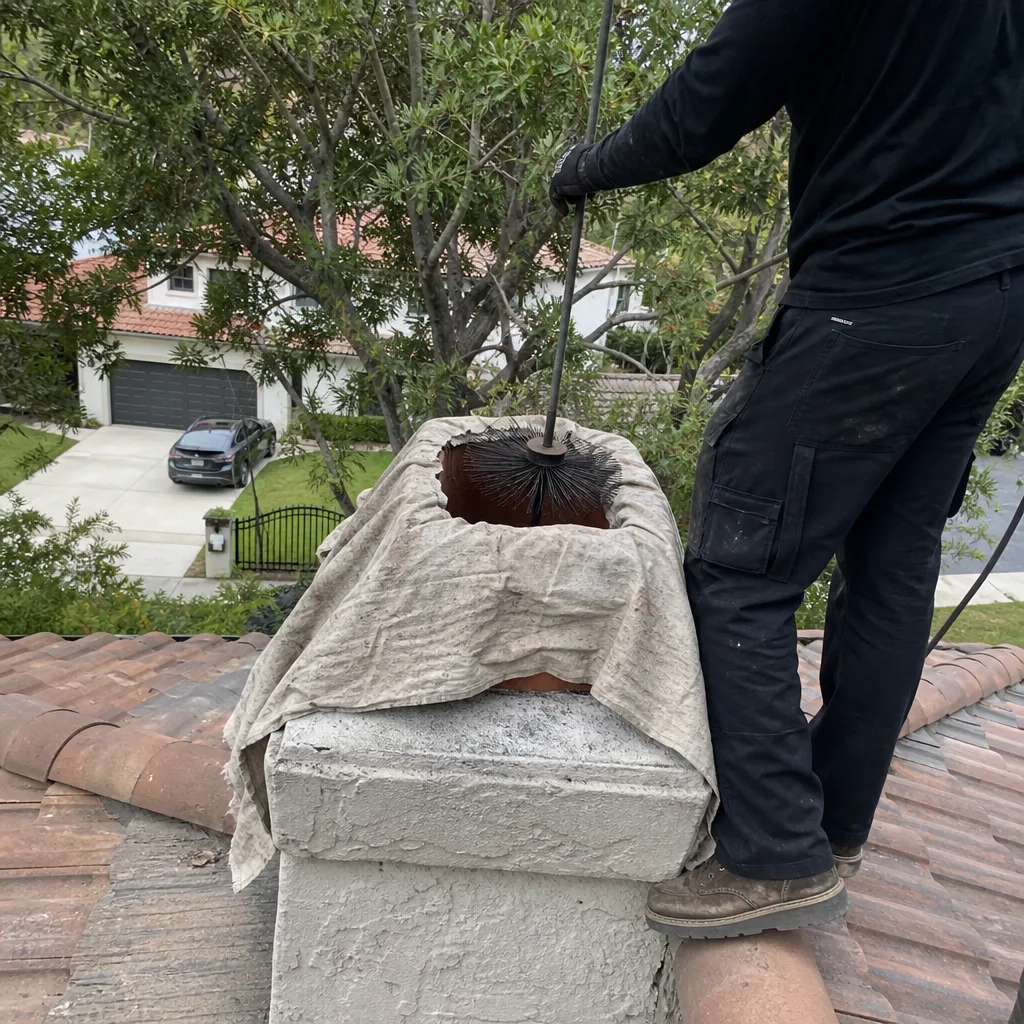
The National Fire Protection Association Standard 211 defines three inspection levels. Most homeowners and many sweep companies default to Level 1, but Level 2 is required by code in specific circumstances and is the appropriate standard for any thorough cleaning in Sherman Oaks’s conditions.
Level 1 Inspection: The Flashlight Look
A Level 1 inspection is a visual examination of readily accessible portions of the chimney exterior, interior, and appliance and chimney connection. “Readily accessible” means no tools, no ladder, no camera, no removal of panels or doors beyond normal opening. The inspector looks for basic soundness, obstructions, and combustible deposits.
Level 1 is appropriate only when: the appliance or venting system is not being changed; no external events (earthquake, chimney fire, lightning strike) have occurred; the chimney has been regularly maintained under consistent use. Even then, it cannot evaluate the smoke chamber or upper liner condition.
Level 2 Inspection: The Camera Standard
A Level 2 inspection includes everything in Level 1 plus examination by video scanning or other means of the internal surfaces and joints of all flue liners incorporated within the chimney. It requires access to the roof, the attic, the basement, and crawl spaces as needed. It is mandatory when:
- The property is being sold or transferred
- An appliance is being replaced or added
- A fuel type is being changed
- An external event (earthquake, chimney fire, lightning, significant weather) may have caused damage
- An operating malfunction has occurred
Given Sherman Oaks’s location in a high seismic zone (the Northridge earthquake epicenter was approximately 8 miles northeast), the earthquake trigger alone makes Level 2 the prudent default for any chimney that has not been camera-inspected since 1994. Many homes in the Sherman Oaks Hills and South of the Boulevard areas experienced chimney damage in that event that was never properly evaluated.
For real estate transactions, which are common in Sherman Oaks’s active market of 2015-2025 home purchases, NFPA 211 explicitly requires Level 2. A Level 1 inspection does not satisfy this requirement and provides no documentation of liner condition for buyer, seller, or insurer.
Emberly Chimney Cleaners performs NFPA 211 Level 2 inspection on every visit, included in the base service price. We do not offer Level 1 as a standalone service because it does not provide the documentation our customers need for insurance, real estate, or personal safety purposes.
Written Documentation: What a Real Service Record Includes
The documentation you receive after a chimney service is your evidence for insurance claims, real estate disclosures, warranty disputes, and personal safety records. A legitimate service record from a professional sweep should include specific elements that a one-page invoice cannot provide.
The Six Elements of Proper Documentation
- Written scope of work: Exactly what was performed - firebox cleaning, smoke chamber mechanical removal, liner brushing, chemical treatment, cap inspection - with specific methods noted.
- Written price agreed before work: Clause 1 of the Haven Standard requires a written price, written scope, and written warranty delivered before anyone starts. Not after. Not “we’ll see what we find.” The price you agree to is the price you pay.
- Pre-cleaning camera footage: Video or still images showing liner condition before work began, with technician narration or written annotation of findings.
- Post-cleaning camera footage: Verification that all four zones were addressed, with specific visual confirmation of liner cleanliness.
- Condition assessment: Plain-language description of liner integrity, crown condition, cap function, and any recommended repairs with priority ranking (safety-critical, maintenance, cosmetic).
- Written warranty: The 365-Day Done Right Promise - if it’s not done right, we make it right - documented with specific coverage terms.
Why this matters in Sherman Oaks specifically: The active real estate market means many homeowners will sell within 5-7 years of purchase. A documented Level 2 inspection record from a recognized provider transfers value to the buyer and satisfies disclosure requirements. If you’re selecting a provider, our How to Hire a Chimney Cleaning Contractor in Sherman Oaks: A Step-by-Step Guide covers what to verify before booking. Insurance companies increasingly request camera documentation for chimney fire claims; a one-page invoice provides no evidence of pre-loss condition or proper maintenance.
We archive all documentation for customer access. Our records from 2009 forward include over 38,000 chimney inspections and cleanings, every one with a written price before work started and a documented record when it was done. This archive practice became the model for Haven Standard Clause 4.
Chimney Cleaning Costs in Sherman Oaks
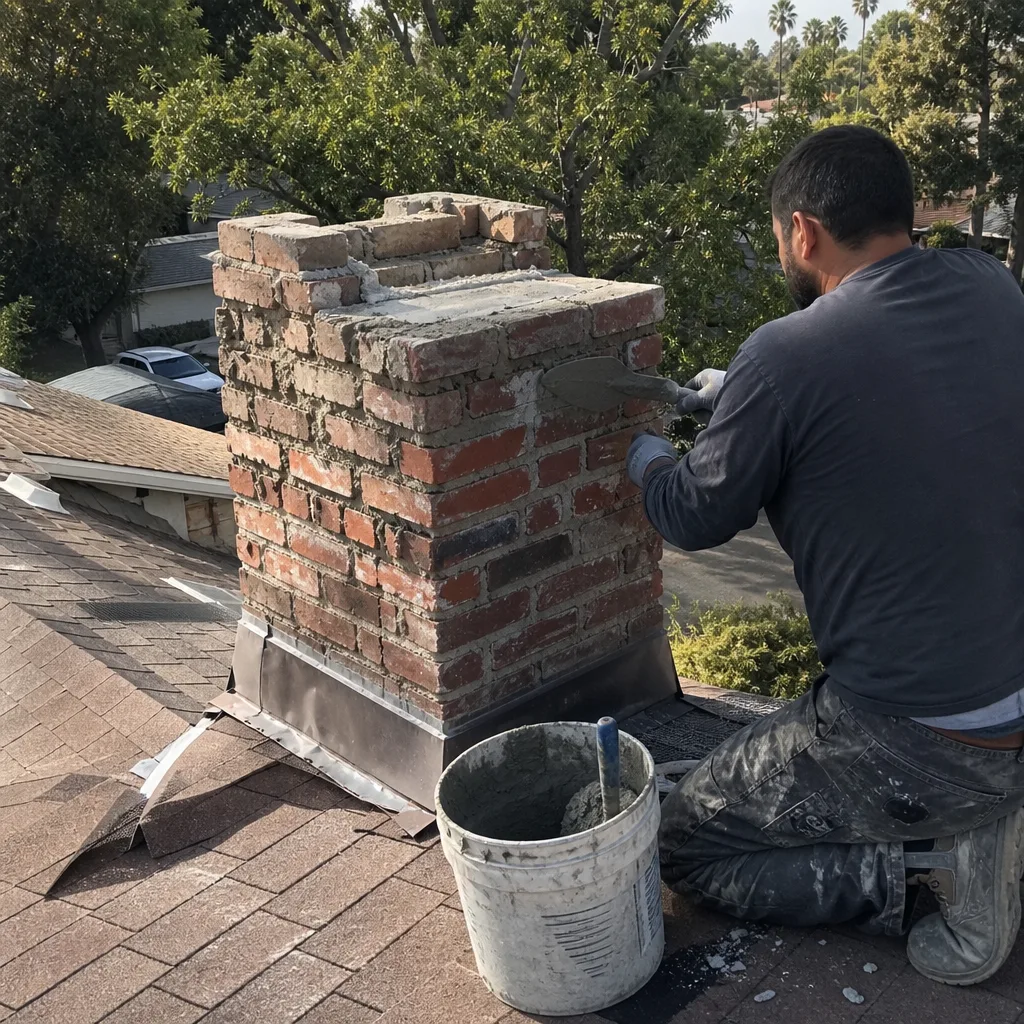
Chimney cleaning pricing in Sherman Oaks varies based on system type, accessibility, and the condition found on camera inspection. The table below shows typical ranges for services performed under NFPA 211 Level 2 standard with documented photo record included.
| Service | Typical Range | What’s Included |
|---|---|---|
| Standard sweep with Level 2 inspection | $199-$289 | Firebox, smoke chamber, liner brushing; camera scan before and after; photo record; written scope and warranty |
| Glazed creosote removal (chemical treatment) | $150-$250 additional | Application of CSIA-approved creosote modifier; 24-hour dwell; mechanical removal; re-scan verification |
| Factory-built unit service | $179-$249 | Firebox refractory cleaning; baffle removal and cleaning; liner brushing; cap inspection; photo record |
| Gas insert cleaning and inspection | $149-$219 | Glass and burner cleaning; venting inspection; gas pressure and leak check; photo record |
| Chimney cap replacement | $285-$650 | Stainless steel or copper cap; spark arrestor; animal guard; installation; photo record |
Several factors affect where a specific job falls in these ranges:
- Roof access: Steep pitches above 6:12, tile roofs, or multi-story chimneys require additional safety equipment and time. Common in the Sherman Oaks Hills and hillside areas south of Mulholland.
- Creosote severity: Class III glazed creosote requires chemical pretreatment and return visit, versus Class I powdery soot that removes in a single session.
- Liner type and condition: Damaged clay tile or offset stainless steel liners require specialized brushing equipment and slower camera progression.
- Obstruction removal: Bird nest or significant debris removal is priced separately based on time and disposal requirements.
We provide a written price before any work starts - always, on every job, no exceptions. Bring us a competitor’s written quote and we’ll provide a Free Second Opinion on any written estimate. Our materials are sourced through Haven’s buying network from DuraFlex, HeatShield, Gelco, Olympia Chimney, Famco, and Copperfield specifically to keep customer prices honest.
Call (424) 414-6048 for an exact quote - estimates are free.
How Often to Clean Based on Fuel Type and Usage
Frequency recommendations vary by fuel, appliance efficiency, and burning habits. The guidelines below reflect NFPA 211 standards adjusted for Sherman Oaks’s specific climate and burn patterns. For a full calendar of maintenance tasks, see our Seasonal Chimney Cleaning Care for Sherman Oaks: Year-Round Homeowner’s Guide.
Wood-Burning Fireplaces and Stoves
Annual inspection and cleaning are required for all wood-burning systems, regardless of apparent condition. The 1/8-inch creosote accumulation threshold is a hard safety limit, not a suggestion. In Sherman Oaks’s stop-start burn climate, we find that regular morning-fire users reach this threshold in a single season of 3-4 weekly fires.
Heavy users (daily fires during burn season): Inspect and clean mid-season and at season end. The glazed creosote that forms in January will not remove with February brushing without chemical pretreatment.
Gas Fireplaces and Inserts
Gas systems burn cleaner but are not maintenance-free. Inspect and clean every 2-3 years. Ceramic logs degrade and can obstruct proper flame pattern. Venting accumulates dust and spider webs that affect draft. In Sherman Oaks, where many gas fireplaces see light decorative use rather than heating use, the 3-year interval is often appropriate, but annual inspection is still recommended for units that serve as primary heat sources during power outages.
Pellet Stoves
Clean and inspect per manufacturer schedule, typically every 1-2 tons of pellets burned. Exhaust paths are narrow and clog quickly with ash. The venting system, not just the burn pot, requires attention.
Factory-Built (Metal) Fireplaces
These systems have specific manufacturer maintenance schedules, typically annual. Refractory panels crack and degrade faster than masonry firebrick. The metal chimney system is more susceptible to corrosion from condensation if not properly cleaned and capped. We see premature factory-built failure in Sherman Oaks homes where the original installer provided no maintenance guidance.
Key Takeaways
- Wood-burning: Annual minimum, mid-season for heavy use
- Gas: Every 2-3 years, annually if primary or backup heat source
- Pellet: Per tonnage, typically annual for regular users
- Factory-built: Annual, per manufacturer warranty requirements
- All systems: Camera inspection at each service to verify actual condition versus assumed condition
Common Mistakes to Avoid
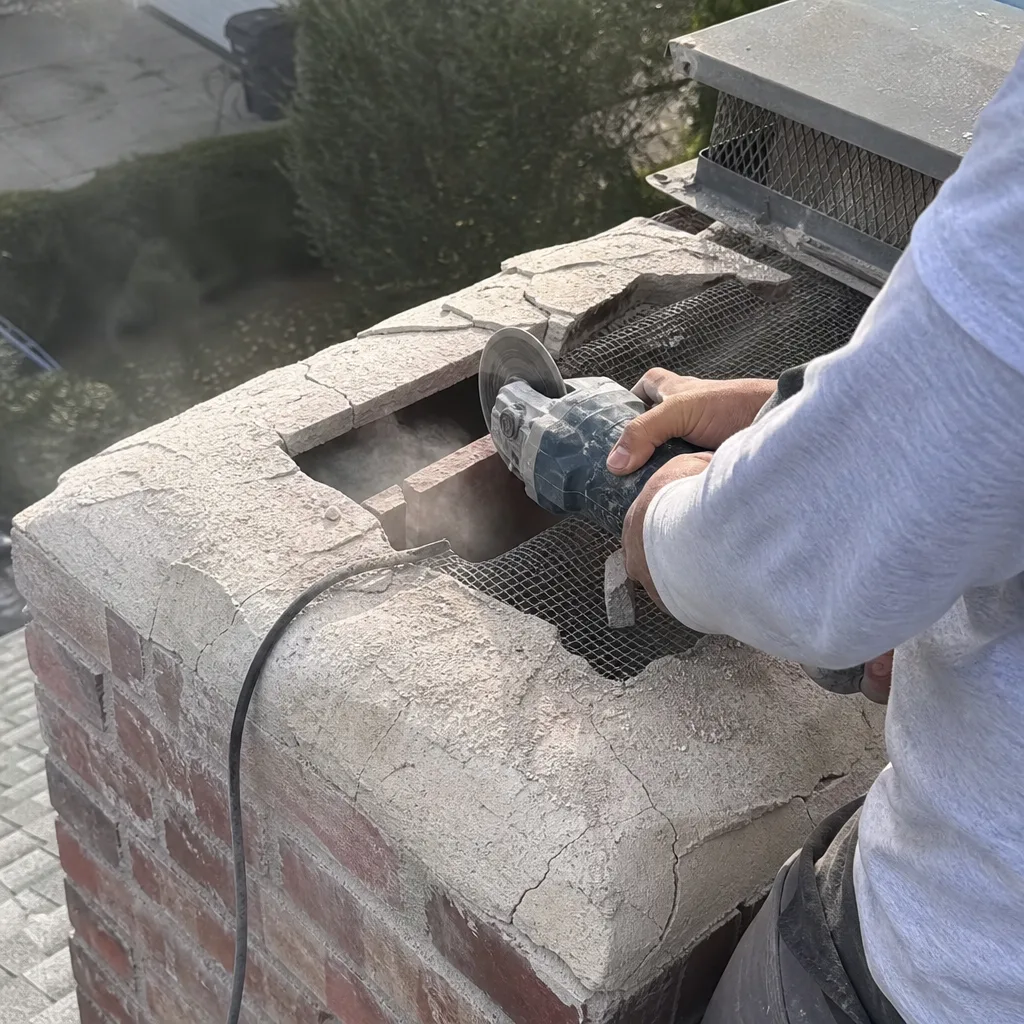
- Assuming a “sweep” included the smoke chamber. Most brush-only services never address this zone. Ask specifically, or review your documentation for smoke chamber camera footage.
- Scheduling based on calendar alone without usage adjustment. A Sherman Oaks home with 50 morning fires per season accumulates more glazed creosote than a cold-climate home with 150 continuous fires. Frequency should reflect your actual burn pattern.
- Accepting a service without post-cleaning camera verification. The brush can pass through a still-dirty liner. Only camera documentation proves the job is complete.
- Ignoring earthquake damage indicators. Cracked crown, shifted flue tiles, or new gaps in mortar may indicate seismic movement. The 1994 Northridge event damaged many Sherman Oaks chimneys that were never properly evaluated.
- Using unqualified contractors for real estate transactions. NFPA 211 Level 2 is required. A Level 1 inspection from a general handyman does not satisfy disclosure or insurance requirements and may delay closing.
- Delaying service until “burning season.” Spring and summer scheduling in Sherman Oaks offers better availability, drier roof conditions for safe access, and time for any needed repairs before the first fire.
- Treating a one-page invoice as sufficient documentation. Insurance claims, warranty disputes, and real estate disclosures require detailed records. Insist on photo documentation and written condition assessment.
When to Call a Professional
Call a certified chimney professional if you notice any of the following: visible creosote flakes in the firebox; smoke entering the room during operation; a strong, acrid odor from the fireplace in warm weather; white or green staining on exterior masonry (efflorescence or vanadium salts indicating moisture intrusion); cracks in the firebox or hearth; or any event - earthquake, lightning strike, chimney fire, or significant wind storm - that may have damaged the system.
For real estate transactions in Sherman Oaks’s active market, schedule Level 2 inspection before listing or during due diligence. For insurance claims, document pre-loss condition with camera inspection records.
Emberly Chimney Cleaners Sherman Oaks offers free estimates in Sherman Oaks - call (424) 414-6048. Our background-checked, uniformed technicians arrive on schedule with license information displayed, and you’ll receive a text when your tech is on the way. Every job includes NFPA 211 Level 2 camera inspection, written price before work starts, and the documented photo record required by Haven Standard Clause 4.
Frequently Asked Questions
A professional chimney sweep with NFPA 211 Level 2 camera inspection in Sherman Oaks typically costs $199-$289 for standard wood-burning systems and $149-$219 for gas inserts. Glazed creosote removal adds $150-$250 for chemical pretreatment and mechanical removal. We provide a written price before any work starts - always, with no exceptions. Call (424) 414-6048 for an exact quote - estimates are free.
You need a new liner only if camera inspection reveals damage that creates safety hazards: cracked clay tile with gaps exposing chimney structure; spalled surfaces with missing material exceeding 1/4 inch depth; or offset joints that allow creosote accumulation and gas leakage. We recommend nothing without camera evidence you can see yourself, and we clearly distinguish between repairs that are safety-critical, maintenance-preventive, or cosmetic. Many “liner replacement” recommendations we review from competitors are not supported by actual camera findings. Bring us any written estimate for a Free Second Opinion.
Wood-burning systems need annual inspection and cleaning, gas systems every 2-3 years, and pellet stoves per manufacturer tonnage guidelines. In Sherman Oaks’s climate of cool mornings and warm afternoons, the stop-start burn pattern produces glazed creosote faster than continuous burning, so camera verification at each service is especially important. Call (424) 414-6048 to schedule - spring and summer appointments offer the best availability and drier conditions for roof access.
Skipped cleaning allows creosote accumulation that reduces flue diameter, restricts draft, and creates fuel for chimney fires. Class III glazed creosote ignites at 451°F and burns above 2,000°F, potentially cracking liners and exposing adjacent structure. Carbon monoxide risk increases as draft efficiency declines. In Sherman Oaks’s seismic zone, accumulated moisture and acidic compounds from neglected maintenance accelerate masonry deterioration. The cost of preventive cleaning is a fraction of fire damage, liner replacement, or structural repair. Call (424) 414-6048 for a free estimate.
A sweep is the physical removal of combustible deposits; an inspection is the evaluation of system condition. They are distinct services that should occur together. NFPA 211 Level 2 inspection includes camera scanning of internal surfaces, which reveals what sweeping is needed and verifies that sweeping was effective. A sweep without inspection may miss hidden hazards; an inspection without sweeping leaves identified risks unaddressed. At Emberly Chimney Cleaners Sherman Oaks, every Chimney Sweep in Sherman Oaks includes Level 2 inspection and photo documentation as standard.
Firebox ash removal and basic glass cleaning are appropriate homeowner tasks. Mechanical sweeping of the flue liner, smoke chamber access, and roof-level cap inspection require specialized tools, ladder safety equipment, and training in hazard identification. More critically, without camera verification, you cannot confirm that cleaning was effective or identify liner damage, joint gaps, or hidden creosote accumulation. The chimney fire and carbon monoxide risks from an improperly evaluated system significantly exceed any cost savings. We recommend professional service with documented photo record for all flue-access work.
Look for: NFPA 211 Level 2 inspection included on every visit, not offered as an upgrade; camera documentation provided as standard, not an add-on; written price before work starts, not after findings are presented; specific local experience with your neighborhood’s housing stock and climate conditions; and warranty terms in writing. Verify that technicians are background-checked and uniformed, with license information available. Emberly Chimney Cleaners has operated under these standards since 2009, with over 38,000 documented inspections and cleanings. For Chimney Repair in Sherman Oaks or Fireplace Services in Sherman Oaks, the same documentation standards apply.
The Bottom Line
Chimney cleaning in Sherman Oaks is not a single task but a four-zone process requiring specific tools, camera verification, and documented evidence. The local climate of cool mornings and warm afternoons creates a stop-start burn pattern that produces glazed creosote faster than continuous cold-climate burning. A brush-only sweep misses the smoke chamber entirely and cannot verify liner condition in the upper flue. NFPA 211 Level 2 inspection with pre- and post-cleaning camera documentation is the only method that confirms all four zones were addressed and provides the written record needed for insurance, real estate, and personal safety purposes.
Since 2009, Emberly Chimney Cleaners has performed every inspection and cleaning under the Haven Standard: written price before work starts, background-checked uniformed technicians, and a documented photo record on every job. The 365-Day Done Right Promise backs every service. For chimney cleaning, repair, or fireplace services in Sherman Oaks, call (424) 414-6048 for a free estimate with written pricing.
Written by Corrine Halstead, Owner at Emberly Chimney Cleaners Sherman Oaks, serving Sherman Oaks since 2009.